The short version
- Reports emerged suggesting Prime Minister Benjamin Netanyahu clashed with military officials over initiating actions against Iran immediately before the vote, allegations his office and defense minister denied as false.
- Opposition leaders accused the prime minister of prioritizing political survival over national security, with one rival demanding a criminal investigation into potential treason for risking war on election eve.
- While Israeli voters are deeply divided over accountability for the October 7 attacks, displaced Palestinians in Gaza and Iranian officials expressed skepticism that any election outcome would alter the region's violent trajectory.
Israelis entered the final day of a high-stakes election campaign on Monday, marked by intense scrutiny of Prime Minister Benjamin Netanyahu’s leadership amid allegations that he may have sought to escalate tensions with Iran for political advantage. Reports circulated that the prime minister had instructed military officials to carry out an action against Iran, a move that reportedly sparked disagreement within the defense establishment. The Israeli military chief of staff allegedly worried that such a step could reignite broader conflict in the region just as citizens prepared to cast their ballots.
Government officials moved quickly to dismiss these claims. Netanyahu’s office labeled the reports as fabricated news, while Defense Minister Israel Katz issued a strong denial on social media. Katz stated unequivocally that there was no intention to launch an attack on Iran prior to the election and described suggestions of rifts between political and military leaders as baseless. He emphasized that Israel remains prepared to respond forcefully if attacked first, but insisted that no preemptive escalation was planned by his administration.
The opposition seized on the controversy to challenge Netanyahu’s judgment and motives. Gadi Eisenkot, the former military chief of staff and Netanyahu’s main rival, warned the prime minister against placing personal political interests above state security. Eisenkot posted a direct message on social media stating that he was watching Netanyahu closely. Other opposition figures took stronger legal action, with Avigdor Lieberman, leader of the Yisrael Beytenu party, sending a letter to the attorney general. Lieberman demanded a criminal investigation into what he characterized as treasonous behavior, alleging that Netanyahu was willing to sacrifice soldiers to avoid losing the election.
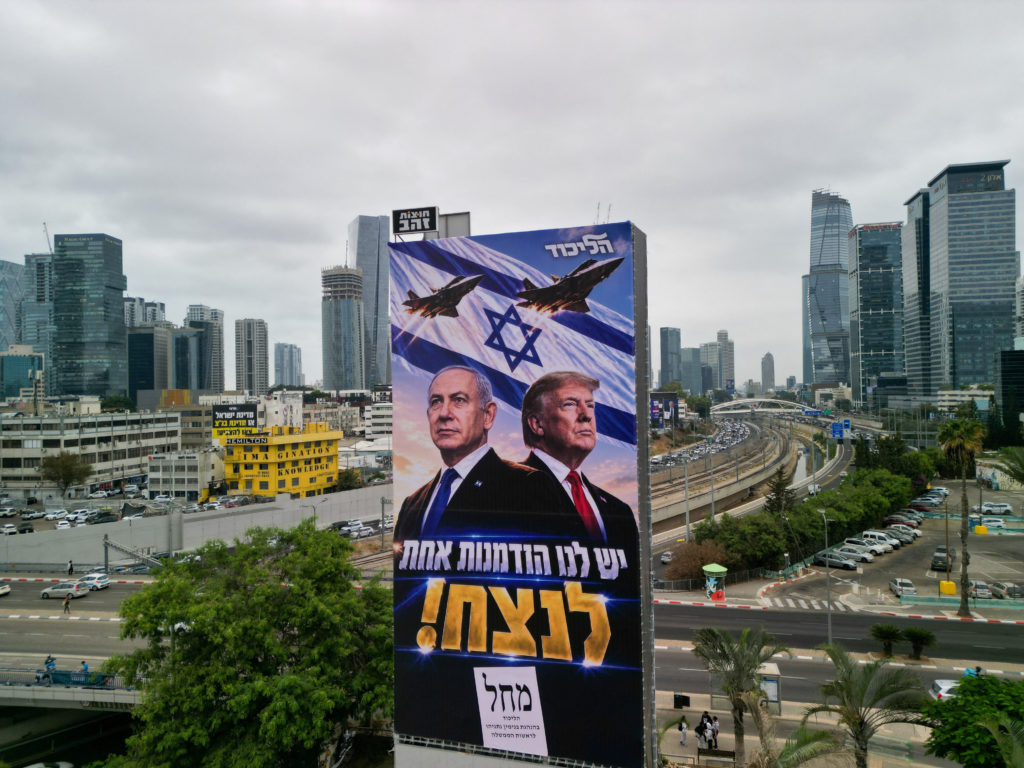
This vote represents the first national election since the Hamas-led attacks on October 7, 2023, which triggered the ongoing war in Gaza and expanded conflicts across the Middle East. The outcome will significantly influence how Israel addresses its security challenges and holds leadership accountable for the failures surrounding the initial attack. Netanyahu’s supporters argue that he has guided the country through its most difficult period, while his critics contend that he bears responsibility for the breaches of security that allowed the attacks to occur.
The election also serves as a barometer for global populist movements. In Brazil, voters recently delivered a setback to right-wing populism by re-electing President Luiz Inácio Lula da Silva. Meanwhile, in the United States, Republicans face their own midterm tests next week, with former President Donald Trump having endorsed Netanyahu. These international developments add another layer of significance to the Israeli vote, as observers look for patterns in how populist leaders fare when facing accountability after periods of crisis.
Despite the intensity of the domestic debate, many in the region do not expect dramatic policy shifts regardless of who wins. Both Netanyahu and his primary rivals share similar approaches to regional security issues concerning Gaza and Iran. For Palestinians living under ongoing military operations, the political maneuvering in Jerusalem offers little hope for change. Displaced residents in southern Gaza expressed deep cynicism about the election’s impact on their daily lives.
Jamal Abu Deeb, displaced from Khan Younis, noted that strikes continue to kill people and children every day. He questioned whether any elected leader would improve conditions for Palestinians, suggesting the opposite might be true. Ibrahim Qeshta, displaced from Rafah, echoed these sentiments, stating that all candidates follow the same playbook of destruction. He remarked that Eisenkot would likely govern similarly to Netanyahu, resulting in continued death and suffering for his people.
Iranian officials also downplayed the significance of the election results. Esmail Baghaei, a spokesperson for the Iranian Foreign Ministry, stated during a weekly briefing that it makes no difference who leads Israel. He characterized the Israeli regime as one that brings only violence and bloodshed to the region, regardless of which individual holds power. This perspective underscores the entrenched nature of regional hostilities, which appear insulated from short-term political changes in Jerusalem.
As Israelis head to the polls, the nation remains deeply divided. The race is expected to be close, with Netanyahu’s legacy hanging in the balance. While the campaign has been dominated by accusations and denials regarding potential military escalations, the underlying issues of security, accountability, and regional stability remain unresolved. The coming days will reveal whether voters prioritize continuity or change in the face of ongoing conflict.
The final hours of the election season have highlighted the fragility of Israel’s political landscape. With allegations of internal discord and external threats looming large, the electorate must decide which path offers the best chance for security and stability. Regardless of the winner, the challenges posed by the war in Gaza and tensions with Iran will persist, shaping the country’s future in profound ways.
Sources behind this briefing
Go to the original reporting
- PBS NewsHour↗Netanyahu denies allegations he's escalating tensions with Iran before Israel's election