The short version
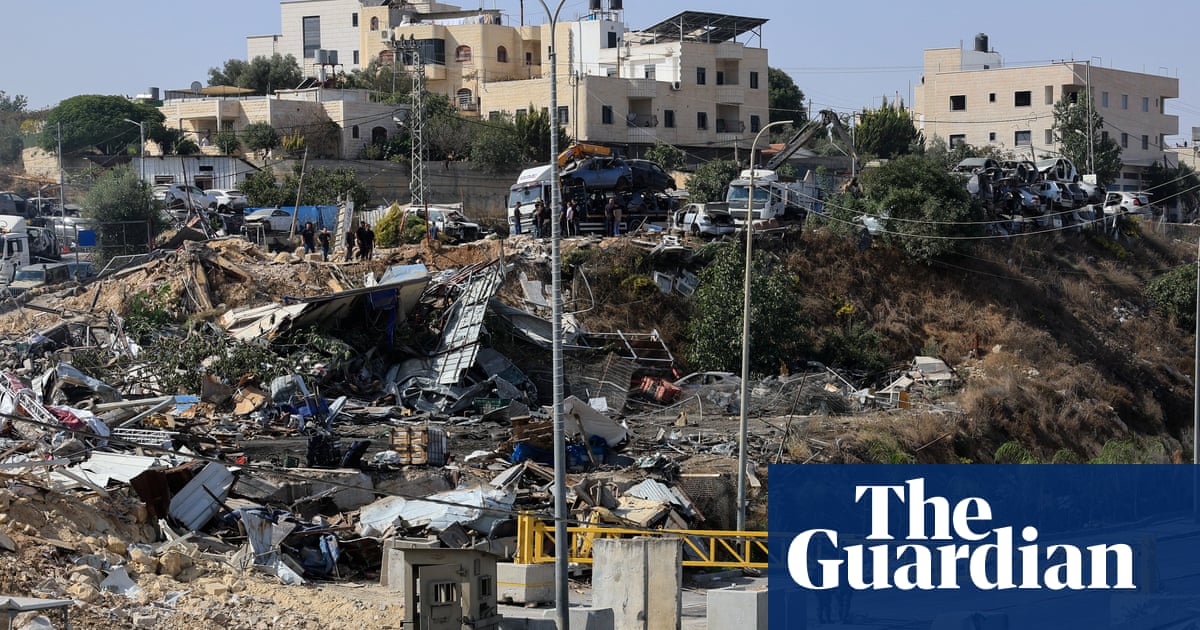
- Israeli forces destroyed approximately 86 acres in Hebron following a deadly attack on a military checkpoint.
- Hundreds of families have been evicted, with local authorities reporting widespread displacement and sheltering efforts.
- Political leaders visited the site to promise severe retaliation just days before scheduled national elections.
Israeli military operations in the West Bank city of Hebron have intensified significantly following a violent confrontation at a nearby checkpoint. Troops have leveled a substantial residential area, resulting in the destruction of homes and the forced displacement of hundreds of families. Local Palestinian authorities describe the actions as collective punishment for an attack that occurred earlier in the week, which resulted in the deaths of two Israeli soldiers.
The scope of the demolition campaign is extensive. The Hebron municipality estimated that roughly 35 hectares of land had been destroyed or marked for further destruction by Saturday afternoon. This area corresponds to approximately 86 acres within the Ein Deir Baha district. Video footage circulated by residents depicts widespread devastation, with entire blocks of houses flattened. Some structures were marked with black crosses before being targeted, while others were torn down by bulldozers.
The human impact of these operations is immediate and severe. Municipal officials reported that approximately 300 families had been evicted from their homes. Many displaced residents have sought refuge with friends and relatives, while the municipality has opened community halls and children’s play areas to provide temporary shelter. A Palestinian news agency reported plans to displace an additional 2,500 people, suggesting the crisis may expand further.
The trigger for this escalation was a Friday attack on an Israeli military checkpoint outside Hebron. Two gunmen engaged in a twenty-minute gunfight with soldiers, killing two and injuring three before they were also killed. The attackers were allegedly from the Ein Deir Baha district, which has since become the primary focus of the demolition efforts. The incident occurred just four days before scheduled Israeli national elections.
Political figures responded swiftly to the violence. Prime Minister Benjamin Netanyahu and Finance Minister Bezalel Smotrich traveled to the site of the attack to announce a harsh response. Netanyahu vowed to destroy the location associated with the attackers, while Smotrich ordered the immediate demolition of structures adjacent to the checkpoint. Smotrich, who is running for election in a smaller coalition party, was filmed wearing body armor near a Palestinian building being demolished.
Smotrich called for a comprehensive military campaign similar to those conducted in Gaza and Lebanon. His statements underscore the political dimension of the response, occurring during a critical pre-election period. Critics argue that the suffering of innocent families is being leveraged for political gain, with civil rights activists expressing concern over the timing and scale of the retaliation.
Issa Amro, a Hebron civil rights activist, stated that his own sister’s family was among those driven from their homes. He emphasized that the displaced residents had no connection to the Friday attack. Amro questioned whether the operations were merely election propaganda or part of a serious post-election strategy for territorial control and displacement.
The entire city of Hebron, home to approximately 250,000 people, was sealed off by checkpoints at every entry point. This isolation has complicated rescue efforts and the movement of displaced families. The Israeli army has not provided detailed comments on the operations or the videos showing extensive devastation, leaving many questions about the long-term plans for the area unanswered.
The situation remains volatile as the election approaches. The combination of military action and political rhetoric suggests that the conflict in Hebron may serve as a focal point for broader national debates. Residents face uncertainty regarding their homes and safety, while international observers watch for further escalation or diplomatic intervention.
Sources behind this briefing
Go to the original reporting
- The Guardian World↗Israeli soldiers raze neighbourhood in Hebron, driving families from homes