The short version
- The government launched a campaign urging households to maintain emergency stores for three days, citing diverse potential threats.
- Some residents are gradually accumulating food, water, and power supplies, motivated by memories of pandemic shortages and climate concerns.
- Critics argue the guidance is insufficient for severe crises and resembles outdated political theater rather than practical safety advice.
A new government initiative advising British households to maintain emergency supplies has prompted a wave of personal preparedness efforts across the United Kingdom. The campaign, which went live recently, recommends that families set aside enough provisions to last for three days in the event of various disruptions. While officials frame this as a prudent measure against a broad spectrum of potential emergencies, the response from the public has been varied, ranging from methodical stockpiling to outright dismissal of the advice as inadequate or performative.
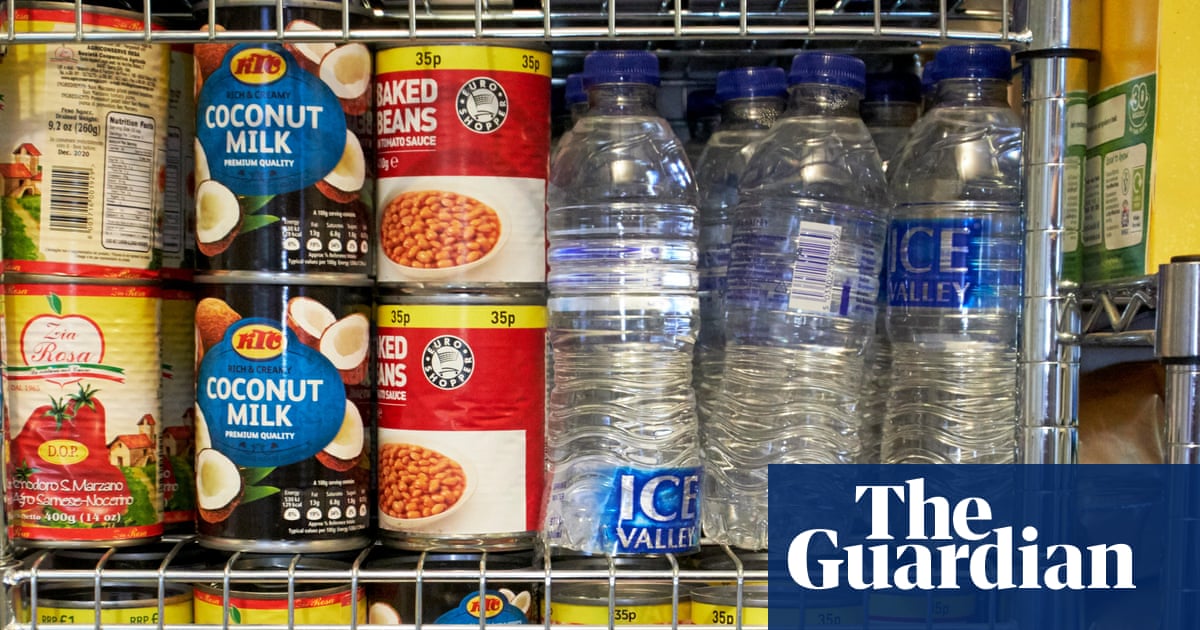
For some citizens, the guidance serves as a timely reminder to address long-neglected household readiness. Lawrence Barratt, a resident of Hythe in Hampshire, began increasing his purchases of non-perishable items about two weeks ago. He has been adding tinned beans, soups, dried noodles, and rice to his regular grocery trips, aiming to build a reserve sufficient for two people over three days. Alongside food, he is acquiring bottled water, a first aid kit, a battery-powered radio, and a torch. Barratt also relies on a portable power bank previously used for camping, which he believes can sustain essential electronics like phones and small heaters during outages.
Others have been preparing for a longer period, driven by specific anxieties about global stability and environmental shifts. Marco Camurri, living in Greenwich, London, started accumulating staples such as pasta, passata, stock cubes, and medicines several months ago. His motivation stems partly from news reports regarding supply chain vulnerabilities linked to El Niño weather patterns. Camurri treats the accumulation of these goods as an extension of normal shopping habits, ensuring items are consumed before expiration by tracking dates in a spreadsheet. He also keeps toilet paper on hand, citing memories of the panic buying that characterized the early stages of the coronavirus pandemic.
Camurri’s preparations extend beyond food and medicine to include contingency plans for more severe scenarios. With family members residing in continental Europe, he considers the possibility of temporary relocation if the United Kingdom were to face direct attacks or extreme infrastructure failures that could jeopardize employment. To mitigate risks associated with power loss, his household maintains charged power banks, USB-rechargeable flashlights, and traditional ignition sources like matches and lighters. He also keeps a supply of wood in his garden for boiling water on a barbecue if necessary and ensures his vehicle’s fuel tank remains above half capacity to allow for approximately 300 miles of travel.
The motivations behind these personal stockpiling efforts reflect a complex mix of recent historical trauma and future-oriented anxiety. Barratt noted that the initial lockdown period in 2020, characterized by empty shelves and widespread fear, had largely faded from his immediate consciousness until the new government website highlighted his lack of readiness. Similarly, Jack Davenport from North Shields pointed to El Niño as a catalyst for his own preparations but expressed difficulty in assessing the magnitude of multiple overlapping threats. He cited concerns ranging from climate-related disasters and Russian state-sponsored activities to artificial intelligence risks and economic pressures stemming from energy insecurity.
Davenport suggested that the government’s timing may be strategic, aiming to normalize the idea of hardship and reduce potential long-term panic by framing these events as possibilities rather than certainties. He argued that the nation’s physical and technological infrastructure is aging and vulnerable, making such preparedness relevant even if previous generations have not faced similar challenges in recent decades. This perspective aligns with a broader recognition among some residents that modern conveniences rely on fragile systems that could fail under stress.
However, not all reactions to the official guidance are positive. Deirdre O’Sullivan from Leicester criticized the advice as reminiscent of Cold War-era instructions that she found impractical at the time. She argued that three days of supplies would be woefully insufficient in a genuine emergency, particularly if drinking water became contaminated or food shortages persisted for extended periods. O’Sullivan viewed the campaign as a political maneuver designed to demonstrate policy action without offering meaningful protection, comparing it to bureaucratic exercises that prioritize appearance over utility.
The divergence in public response highlights the challenges of communicating risk in an era of multifaceted threats. While some individuals find comfort in incremental preparation, others remain skeptical of the government’s ability to anticipate or manage severe crises. The campaign itself does not specify which emergencies are most likely, instead presenting a generic list of potential disruptions. This ambiguity leaves residents to interpret the urgency for themselves, leading to a patchwork of preparedness levels across the country.
As the debate continues, the practical significance of these stockpiles remains tied to individual risk assessments. For those who view the advice as a sensible baseline, the gradual accumulation of supplies offers a sense of control in an uncertain world. For critics, it underscores a disconnect between official messaging and the realities of potential disasters. The coming months will likely reveal whether this initiative leads to sustained changes in household behavior or fades into obscurity like previous warnings.
Ultimately, the situation reflects a broader societal tension between complacency and caution. The government’s push for three-day reserves is modest compared to recommendations from other nations or historical precedents, yet it has sparked significant engagement. Whether this translates into genuine resilience or merely temporary anxiety remains to be seen, but the conversation itself signals a growing awareness of vulnerability among the British public.
Sources behind this briefing
Go to the original reporting
- The Guardian World↗Tinned food, loo roll and power banks: the Brits following advice to stockpile