The short version
- Israeli voters are divided on leadership but broadly support settlement expansion and oppose a two-state solution.
- Armed settlers have gained significant autonomy, often defying military authority to displace Palestinian families.
- Opposition leaders pledge to curb settler violence but do not plan to dismantle established settlements or reverse legalizations.
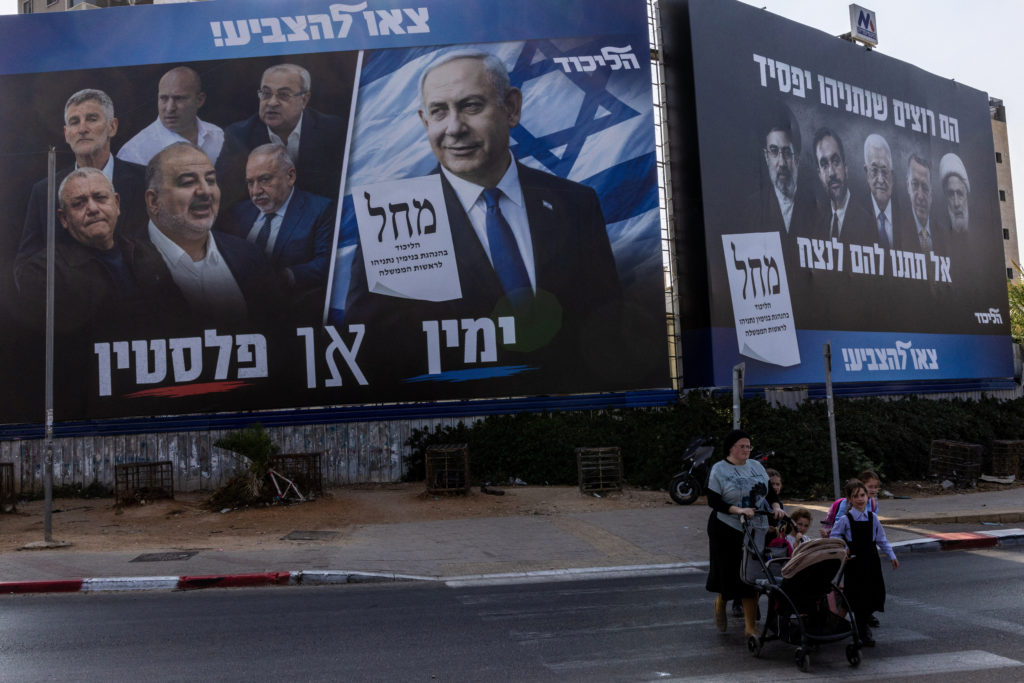
The upcoming Israeli elections represent a pivotal moment for the nation's political direction, yet analysts suggest that the fundamental trajectory of policy in the occupied West Bank will remain largely unchanged regardless of the outcome. Even if Prime Minister Benjamin Netanyahu’s tenure ends, marking the conclusion of his seventeen-year rule—the longest of any Israeli leader—the structural realities he helped cement are expected to persist. The core issue is not merely who holds office, but the deep-seated consensus among many Israelis that supports settlement growth and rejects the establishment of a Palestinian state.
This political reality creates a narrow window for potential change. While Netanyahu’s opponents have campaigned on promises to crack down on settler violence and remove illegal outposts, their platforms generally stop short of advocating for a two-state solution. International observers view such a diplomatic framework as the only viable path to resolving the conflict, but domestic support for it has waned significantly. Consequently, any new administration would likely focus on managing the pace of expansion rather than reversing it, aiming to slow what critics describe as an aggressive acceleration of territorial control.
A defining feature of this era is the empowerment of armed settler groups who now operate with a degree of autonomy that challenges state authority. Under the current government, thousands of firearms have been distributed to settlers, many of whom maintain ties within the military and security apparatus. These individuals have increasingly assumed roles resembling law enforcement, conducting arrests, engaging in lethal force against Palestinians they deem threats, and forcibly displacing families from their homes. This dynamic has shifted the balance of power on the ground, allowing settlers to act with impunity in areas where state oversight has been lax or complicit.
The consequences of this shift are visible in specific incidents of displacement. In July, the Tubasi family was forced from their home in the West Bank village of Jalud after a nineteen-day siege by settlers who cut off utilities and issued violent threats. Although an Israeli court ordered the military to restore the family to their property, troops aborted the mission when a large group of armed settlers assembled at the site. The family was removed again as settlers torched their home, leaving them displaced in relatives’ houses while their gutted residence remains under settler control. Such cases illustrate the difficulty state forces face in enforcing legal orders against organized settler mobs.
Beyond individual incidents, a broader strategy of territorial consolidation has taken hold. Since the Hamas attack on October 7, 2023, the process of expanding settlement presence has intensified. Over two hundred rustic camps have been established, particularly in areas traditionally used by Palestinian herding communities. These outposts serve as tools for effective control, allowing settlers to seize water resources, displace shepherds, and graze their own livestock under the watch of Israeli troops. Researchers indicate that these actions have allowed settlers to gain de facto control over approximately one-fifth of the West Bank.
The impact on Palestinian communities has been severe. Data from anti-settlement organizations reveal that at least one hundred twenty-seven herding communities have been forced off their land since 2023. This displacement has cleared nearly the entire eastern flank of the West Bank, along the Jordanian border, of Palestinian presence. The explicit goal of these actions is to prevent the creation of a contiguous and viable Palestinian state by fragmenting territory and reducing the population in key areas. The strategy relies on creating facts on the ground that make future negotiations for statehood increasingly difficult.
Political opponents of Netanyahu have outlined plans to target the most violent elements within the settler movement and dismantle outposts deemed illegal under Israeli law. However, they have explicitly ruled out evacuating the more than one hundred new settlements legalized by the current government, including forty-four that were previously classified as outposts. Furthermore, there are no plans to remove older settlements that have evolved into fully developed suburban communities. This distinction highlights the limits of potential policy reversal; while rhetoric may shift regarding violence and illegality, the physical footprint of settlement expansion remains protected.
The international community continues to view all Israeli settlements in the West Bank as illegal under international law and a major obstacle to peace. Israel, however, regards the territory as its historical and biblical heartland, arguing that its final status should be determined through negotiations—a process that has been stalled for over a decade. With the election approaching, the debate centers less on the existence of settlements and more on the management of settler behavior. The enduring legacy of Netanyahu’s rule may well be the normalization of a security environment where armed civilians play a central role in shaping the demographic and geographic reality of the occupied territories.
As Israelis prepare to vote, the divisions over leadership style and moral character are stark. Yet, beneath these partisan disagreements lies a shared acceptance of settlement expansion as a permanent feature of the landscape. Whether the next government chooses to slow the acceleration of aggression or maintain the current pace, the genie appears to be out of the bottle. The structural changes implemented over the past four years have created new realities on the ground that are difficult to undo without a fundamental shift in national consensus, which does not currently appear to exist.
Sources behind this briefing
Go to the original reporting
- PBS NewsHour↗Whatever the outcome of Israel's election, Netanyahu's policies toward Palestinians will likely endure