The short version
- A medical specialist warned that an eight-year-old girl was unsafe at home due to her mother's religious refusal of insulin, but she was discharged under a voluntary agreement.
- The child died in 2022 after sect members withdrew life-saving medication, leading to manslaughter convictions for fourteen adults including her parents and the group leader.
- The father, who previously sought emergency care for his daughter, later converted to the sect's beliefs while his wife served a prison sentence for earlier neglect.
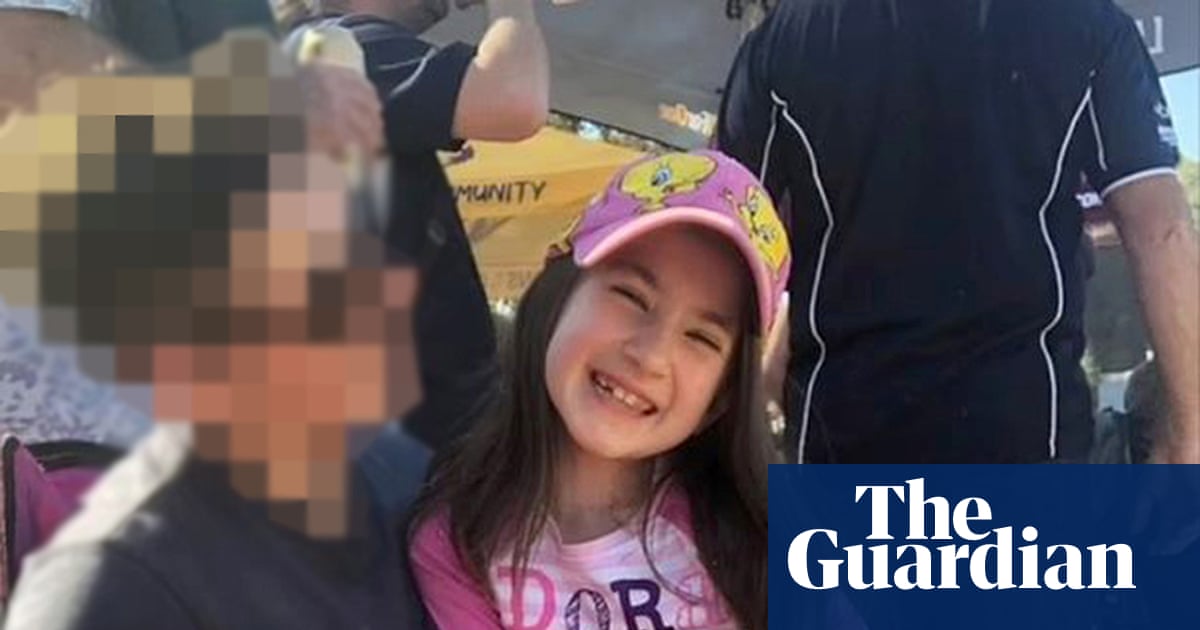
A coronial inquest in Queensland has begun examining the systemic failures that preceded the death of an eight-year-old girl, whose parents and thirteen other members of a religious group were convicted of manslaughter last year. The inquiry focuses on whether authorities adequately responded to explicit medical warnings regarding the child’s safety before she died from diabetic ketoacidosis in January 2022. Her death occurred after sect members withdrew the insulin required for her survival, allowing her to pass away over several days while they prayed and sang at her bedside.
The proceedings heard testimony from a medical specialist who treated the child, identified only as Elizabeth Struhs, during a critical hospitalization in July 2019. At that time, Elizabeth was admitted to the intensive care unit of Queensland Children’s Hospital in an extremely unwell state, requiring intubation and mechanical ventilation. The specialist expressed profound concern not only about the severity of the child’s physical condition but also about the mother’s stance on medical intervention. Kerrie Struhs refused to visit her daughter in the hospital and denied during phone conversations that Elizabeth was ill or would ever need medication.
The doctor prepared a detailed nine-page report for child safety authorities and police, arguing that type 1 diabetes is a life-threatening condition requiring complex parental management. The report stated clearly that if the mother continued to deny the necessity of insulin, Elizabeth could not safely remain in her care. The specialist noted that her concerns were so strong she intended to submit the report regardless of advice from hospital child protection services. Despite these professional warnings, the hospital team was unaware that plans were being made to return the child home.
Elizabeth was discharged to live with her family under an intervention parental agreement, a voluntary arrangement designed to provide support without a formal child protection order. The medical specialist testified that she would not have supported this discharge plan had she been involved in its creation, citing significant ongoing risks. She emphasized that diabetes requires lifelong treatment and that the danger posed by the illness can fluctuate based on physical or social changes within the household. The decision to return her home was made without the knowledge of the clinicians who had treated her.
Following the 2019 incident, both parents were charged with failing to provide the necessaries of life. Jason Struhs, the father, had taken Elizabeth to the hospital against his wife’s wishes and later testified against her. He received a suspended sentence, while Kerrie Struhs was sentenced to eighteen months in prison. At the time of the initial crisis, Jason was described as a skeptic of his wife’s religious beliefs. However, the inquest revealed that during Kerrie’s incarceration, she helped convert him to the sect’s doctrines.
The group, known as the Saints and sometimes characterized as a cult, rejects modern medicine on theological grounds. Members believe that miraculous healing will occur and that those who die will be resurrected. This belief system led the group to withdraw Elizabeth’s insulin in 2022, resulting in her death at age eight. Fourteen adult members, including the parents, their son Zachary, and sect leader Brendan Stevens, were found guilty of manslaughter last year. The convictions reflect the collective responsibility of the group in facilitating the withdrawal of care.
The current inquest aims to determine how a child with such severe medical needs was returned to an environment where her caregivers explicitly rejected necessary treatment. Coroner Ainslie Kirkegaard is reviewing the timeline between the 2019 hospitalization and the 2022 death, particularly focusing on the effectiveness of the voluntary intervention agreement. The case highlights tensions between religious freedom, parental rights, and state obligations to protect children from neglect.
Legal representatives for the family and child safety agencies are expected to present further evidence regarding communication breakdowns between medical professionals and government authorities. The outcome may influence future protocols for handling cases where religious beliefs conflict with essential medical care. As the inquiry continues, it seeks to clarify whether earlier intervention could have prevented the tragedy that unfolded three years after the initial warning.
The proceedings underscore the complexity of safeguarding children in communities with strong anti-medical ideologies. While the criminal justice system has addressed the culpability of those directly involved in Elizabeth’s death, the coronial process looks backward to identify procedural gaps. The findings could have broader implications for how child protection services assess risk in similar situations involving faith-based refusals of treatment.
Elizabeth’s story remains a focal point for discussions on the limits of voluntary care agreements when faced with entrenched ideological opposition to medicine. The specialist’s testimony serves as a critical piece of evidence in understanding why previous safeguards failed. As the inquest progresses, it will provide a comprehensive account of the decisions made by both medical and government actors in the years leading up to the child’s death.
Sources behind this briefing
Go to the original reporting
- The Guardian World↗Doctor warned Elizabeth Struhs would not be safe at home years before religious sect killed her by withdrawing medicine