The short version
- Researchers are integrating mosque loudspeakers into a seismic alert network to ensure warnings reach areas where mobile networks may fail during earthquakes.
- The initiative addresses the unique structural vulnerabilities of Indonesian housing, which often requires residents to evacuate outdoors rather than seek cover indoors.
- Similar experiments using religious infrastructure for disaster alerts are underway in Uzbekistan and were considered for nuclear safety protocols in the United Arab Emirates.
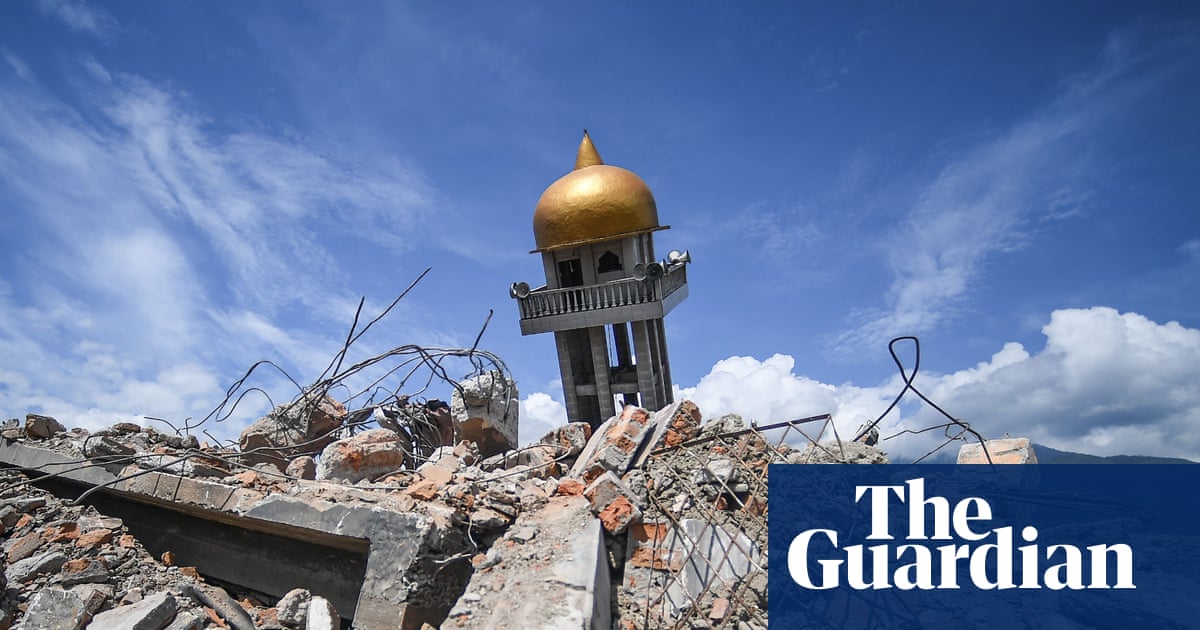
A new five-year trial in Indonesia is testing whether the loudspeakers used for daily calls to prayer can serve as a reliable early warning system for earthquakes. The project aims to leverage an existing, widespread network of audio equipment to deliver alerts to remote and hard-to-reach territories where traditional communication infrastructure might fail during seismic events. By connecting these speakers directly to a network of seismic sensors, researchers hope to create a robust alert mechanism that operates independently of mobile phone networks or internet connectivity.
The initiative is led by Dr. Inoue Hiroshi from Kyoto University’s Disaster Prevention Research Institute in Japan, who conceived the idea nearly two decades ago while studying deadly quakes in Sumatra. Inoue observed that many fatalities in the 2009 western Sumatra earthquake could have been prevented if residents had received timely warnings before the shaking began. He notes that every community in Indonesia has a mosque, providing a ubiquitous platform for dissemination. The Indonesian government is collaborating with Japanese experts to assess whether this model can be scaled effectively across the archipelago.
Maintenance of disaster infrastructure is often a significant challenge in developing nations, but mosque loudspeakers offer a distinct advantage because they are regularly serviced by local communities as part of religious practice. This organic maintenance routine ensures that the equipment remains functional without requiring constant external intervention. In contrast, modern strategies relying on mobile phones are vulnerable to network disruptions caused by the earthquakes themselves. The pilot scheme has already connected several mosques to the seismic sensor grid to test the reliability and speed of the alerts.
Time is a critical factor in earthquake survival, particularly for villages located approximately 50 kilometers from an epicenter, which may have only five to ten seconds to react before severe shaking arrives. While Indonesia has operated a tsunami early warning system since 2008, tsunamis allow for longer prediction windows ranging from minutes to hours. Earthquake waves travel through the ground at incredible speeds, leaving little time for response. The current system remains a prototype and does not yet issue public warnings, but the ultimate goal is to enable immediate community action.
The research also addresses differences in survival strategies between Japan and Indonesia. In Japan, official guidelines emphasize the 'drop and cover' method, instructing people to take shelter under tables and remain indoors. However, many homes in Indonesia are constructed from unreinforced masonry, which is highly susceptible to collapse. In such structures, staying inside can be more dangerous than evacuating. Residents often survive by quickly escaping outdoors, a behavior that researchers are now studying to develop scientifically grounded guidelines tailored to local building conditions.
Project leaders are conducting simulations and human experiments to understand how people react in different scenarios and to refine safety protocols accordingly. The study runs until 2030 and includes plans to install alarm systems in school loudspeakers as well as utilizing radio and television transmissions for broader coverage. This multi-channel approach aims to maximize reach and redundancy, ensuring that warnings are heard regardless of the specific infrastructure available in a given area.
Indonesia and Japan both sit on the Pacific Ring of Fire, making them frequent targets for seismic activity. The collaboration allows researchers to compare behavioral responses and survival outcomes between the two nations. By adapting Japanese technology to Indonesian social and structural contexts, the project seeks to create a hybrid model that respects local realities while incorporating advanced monitoring techniques. This cross-cultural exchange is central to developing effective disaster mitigation strategies.
The concept of using religious infrastructure for emergency alerts is not unique to Indonesia. The United Arab Emirates considered integrating mosque loudspeakers into its alarm network for potential radiation leaks at the Barakah nuclear power plant. Meanwhile, Uzbekistan has launched a more extensive pilot project involving 272 mosques to warn residents of floods, mudflows, landslides, and avalanches. The United Nations Development Programme highlighted that mosques are traditionally viewed as authoritative social institutions, making them effective channels for disseminating critical information during crises.
As the trial progresses, data collected will help determine whether this model can be replicated in other regions with similar demographic and infrastructural characteristics. The success of the project could redefine how early warning systems are designed in areas where traditional communication networks are unreliable or inaccessible. By turning everyday religious practices into life-saving tools, researchers aim to bridge the gap between technological innovation and community resilience.
Sources behind this briefing
Go to the original reporting
- The Guardian US↗Indonesia looks to mosque loudspeakers to double as earthquake warning systems