The short version
- Indonesian officials are conducting a trial dispersal of dry ice from aircraft in South Sumatra to mitigate the severe haze caused by widespread peatland fires.
- The crisis has resulted in hazardous air quality levels across multiple nations, prompting school closures, flight cancellations, and medical subsidies in neighboring countries like Singapore and Malaysia.
- Experts caution that while the technique may offer temporary local relief, it does not address the underlying causes of the fires or provide a permanent solution to the regional pollution.
Indonesian authorities have initiated an experimental firefighting strategy involving the aerial dispersal of dry ice in an effort to combat the persistent and toxic haze blanketing parts of Southeast Asia. The trial, directed by President Prabowo Subianto, targets the province of South Sumatra, where smoke levels have reached dangerous thresholds. This approach follows previous attempts to suppress the blazes using cloud seeding, water bombing, and military personnel, which have yielded limited success against the scale of the current crisis.
The operation involves a Cessna aircraft releasing approximately 1.5 tons of solid carbon dioxide over Palembang, a major city in South Sumatra. Government officials hope this method will improve visibility and reduce smoke density in the immediate area. Coordinating Security Minister Dudung Abdurachman stated that the trial is being conducted under direct presidential instruction. If the results prove effective, authorities may consider expanding the technique to other affected regions within Indonesia.
The current fire season represents the most severe in more than a decade, with nearly 900,000 hectares burned across the archipelago since January. The intensity of the fires has been exacerbated by extreme weather conditions associated with this year’s El Niño phenomenon, often referred to as 'godzilla' El Niño due to its strength. Additionally, the practice of slash-and-burn agriculture to clear land for crops such as palm oil continues to fuel the widespread destruction.
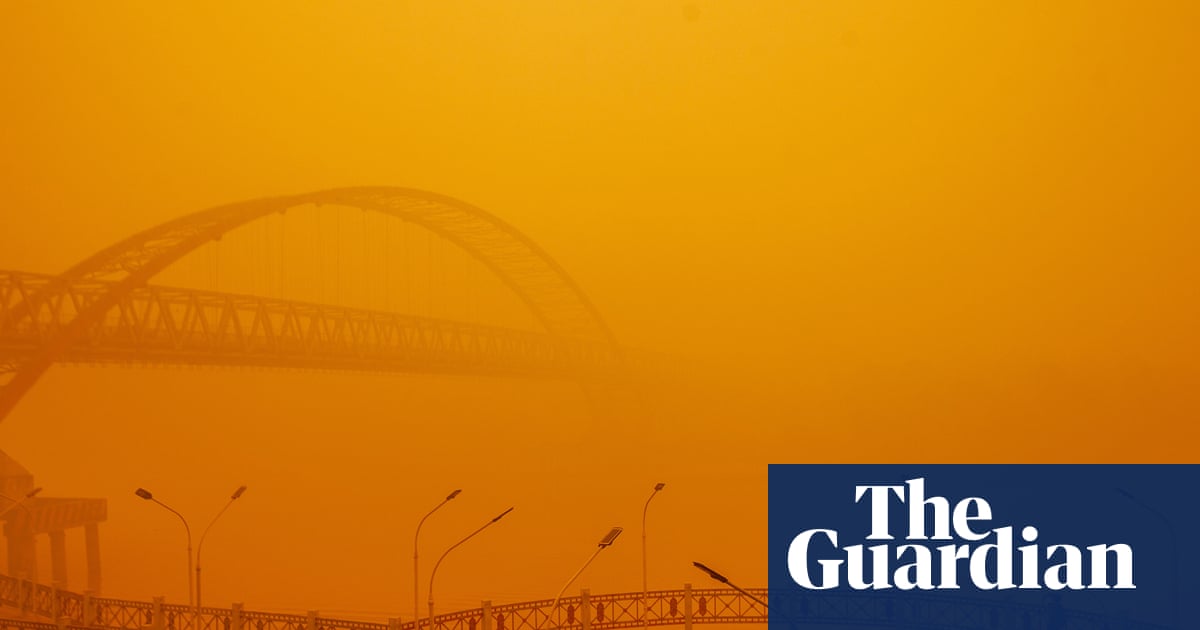
Air quality indices in several Indonesian provinces have surged to hazardous levels. In Central Kalimantan, data from the environment ministry indicated that the air pollution index exceeded 1,200 on Wednesday, which is four times higher than the threshold considered hazardous. Local reports described thick haze reducing visibility for motorists to a minimum in Palangka Raya, the provincial capital. The fires are particularly difficult to extinguish because they often occur in peatland areas, where combustion can continue underground for weeks.
The environmental disaster has extended beyond Indonesia’s borders, causing significant disruption in neighboring countries. Singapore and Malaysia have experienced plummeting air quality, with both cities ranking among the most polluted globally in recent days. The haze has also reached as far as the Philippines and Timor-Leste. In response to the health risks, Singapore has distributed N95 masks to eligible residents and introduced subsidies for medical treatment related to haze exposure, a measure last utilized during similar crises in 2015.
Public health concerns are mounting across the region. Tens of thousands of people in Indonesia have sought medical attention for respiratory illnesses linked to the smoke. In Timor-Leste, authorities announced nationwide school closures for three days starting Thursday, urging families to keep children indoors or use respiratory protection if they must go outside. The widespread nature of the pollution has led to criticism of the Indonesian government’s response, including a class action lawsuit filed last week alleging gross negligence.
Experts remain skeptical about the long-term efficacy of the dry ice dispersal method. Rick McRae, an adjunct professor at the University of New South Wales’ bushfire research group, noted that while the technique might provide temporary local relief, it is not a permanent fix. He explained that weather systems typically move from east to west, meaning that even if smoke is cleared in one location, new pollution will continue to blow in. The method was originally developed in the 1940s to promote ice formation in clouds.
President Subianto has ordered an intensification of firefighting efforts and called for a crackdown on individuals suspected of starting fires. However, the government faces significant challenges in controlling blazes that are deeply entrenched in peatlands. As climate change continues to influence weather patterns, experts warn that such haze crises could become a recurring global issue rather than a problem isolated to one country. The interconnected nature of regional air quality underscores the need for coordinated and sustainable solutions.
Sources behind this briefing
Go to the original reporting
- The Guardian World↗Indonesia fights fire with dry ice as toxic haze spreads across region