The short version
- Two leaders of the youth-led Cockroach movement were sentenced to five days in prison for entering Jantar Mantar after authorities banned protests at the historic site.
- The arrests follow a large-scale security operation in Delhi that involved thousands of police officers and resulted in over seven thousand detentions.
- International observers, including UN officials and UK diplomats, have expressed concern over the government's handling of dissent, which India rejects as interference.
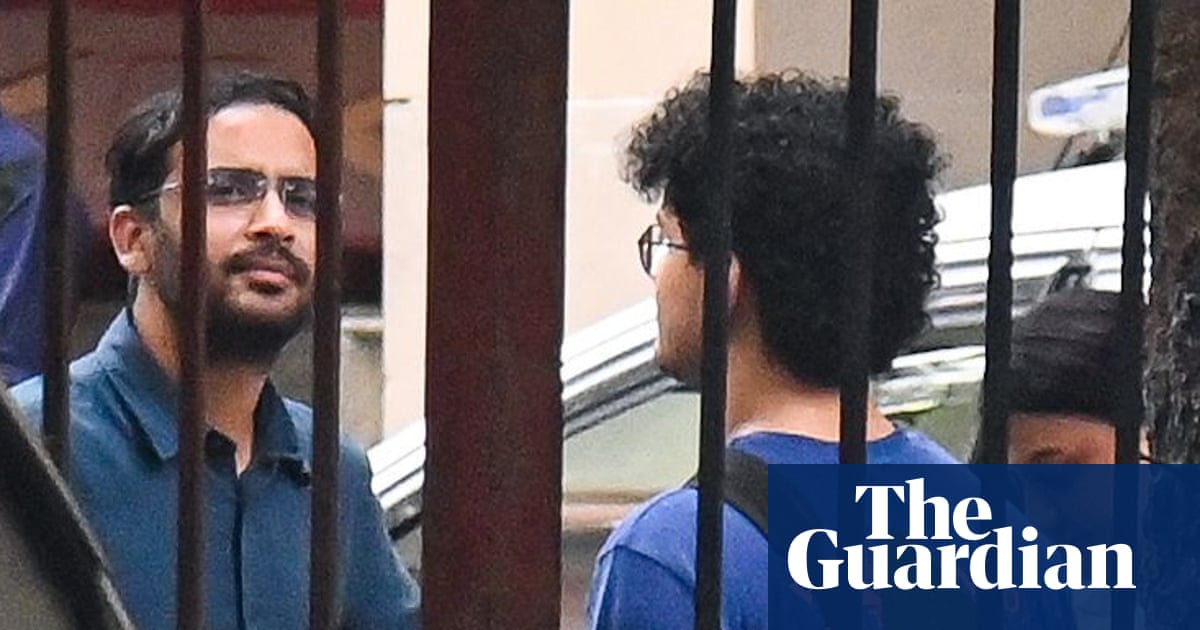
Two prominent figures from India’s youth-oriented Cockroach Janata party (CJP) have been sentenced to five days in prison for violating a prohibition on demonstrations at Jantar Mantar, a central Delhi location long recognized as the capital’s primary site for public dissent. Ashutosh Ranka and Saurav Das received their sentences after a court determined they had breached police barricades, displayed slogans, and waved national flags within the restricted area. The detention marks a significant escalation in the conflict between state authorities and student activists who have been organizing nationwide protests.
The immediate trigger for the legal action was the entry of Ranka, Das, and approximately a dozen others into the grounds surrounding the historic observatory on Tuesday. Authorities had previously declared that no further demonstrations would be permitted at Jantar Mantar, effectively revoking its status as a designated protest zone after more than three decades of use. The CJP leaders framed their actions as a direct response to what they described as a brutal suppression of youth protesters earlier in the week and an unjustified closure of a space central to India’s democratic expression.
Tensions had reached a critical point over the weekend when the CJP called for a rally at Jantar Mantar to demand the resignation of Election Commissioner Gyanesh Kumar. Activists and opposition parties have accused Kumar of manipulating electoral rolls to benefit the ruling Bharatiya Janata party (BJP), allegations that the government firmly denies. The election commission has stated that it does not favor any political faction and maintains that voters who were incorrectly removed from lists can re-register. Despite these assurances, distrust among youth groups remains high.
In response to the planned Saturday demonstration, Delhi police denied permission for the gathering and instead deployed a massive security force. Approximately thirty thousand police and paramilitary personnel were mobilized to secure the area, which was sealed off with heavy barricades. The operation resulted in the detention of more than seven thousand individuals, drawing widespread criticism from human rights organizations. The scale of the crackdown has raised questions about the proportionality of the state’s response to political dissent.
Abhijit Dipke, the founder of the CJP, condemned the government’s actions through social media, characterizing the tactics as cowardly attempts to crush legitimate resistance. He argued that the denial of protest spaces represents an attack on the fundamental rights of citizens. Prior to his arrest, Saurav Das questioned why the prime minister would fear a public gathering at Jantar Mantar, asserting that the site belongs to the people rather than the state. These statements reflect the growing polarization between the youth movement and the central government.
The domestic unrest has attracted international attention, with the UN human rights commissioner issuing statements criticizing the mass detentions and restrictions on assembly. Human rights groups such as Amnesty International have also voiced concerns regarding the treatment of protesters. The Indian government rejected these criticisms, labeling them as unwarranted interference in internal affairs. This diplomatic friction underscores the broader geopolitical implications of the protests.
A visiting delegation from the United Kingdom, led by Trade Minister Jonny Reynolds, also raised concerns about the situation during discussions with Indian officials in Delhi. The involvement of foreign diplomats adds another layer of complexity to the crisis, as the government seeks to balance domestic control with international relations. The UK’s engagement signals that the protests are not merely a local issue but one with potential repercussions for bilateral ties.
As the legal proceedings against Ranka and Das continue, the CJP remains active in mobilizing support among young Indians. The movement has gained substantial traction by framing its demands around electoral integrity and civil liberties. While the government maintains that its actions are necessary for public order, critics argue that the crackdown undermines democratic norms. The coming weeks will likely see further confrontations as activists seek to challenge the ban on Jantar Mantar.
The closure of Jantar Mantar represents a symbolic shift in how the state manages public dissent. For over thirty years, the site served as a sanctioned outlet for political expression. Its denial to protesters has galvanized opposition groups and intensified calls for accountability. The five-day sentences handed down to Ranka and Das are expected to serve as a warning to other activists, though they may also fuel further resistance.
Looking ahead, the resolution of this crisis will depend on whether dialogue can be established between the government and youth leaders. Without a mechanism for addressing grievances regarding electoral processes, protests are likely to persist. The international community’s continued scrutiny may pressure authorities to reconsider their approach, but domestic political dynamics remain the primary driver of events. The situation remains fluid as both sides assess their next moves.
Sources behind this briefing
Go to the original reporting
- The Guardian World↗Leaders of India’s Cockroach party jailed for violating ban on protest site