The short version
- Researchers warn that council demands for public liability insurance chill the right to protest in Australian communities.
- Organizers report being asked to secure policies worth millions of dollars for small gatherings on municipal land.
- Advocates call for permit systems to function as notification processes rather than authorization hurdles.
A growing tension between local government bureaucracy and the right to public assembly has emerged in Australia, according to a new report co-authored by the Australian Democracy Network and Deakin University. The study highlights how regional and urban councils are increasingly imposing financial barriers on citizens seeking to hold rallies, effectively stymieing democratic participation through administrative red tape.
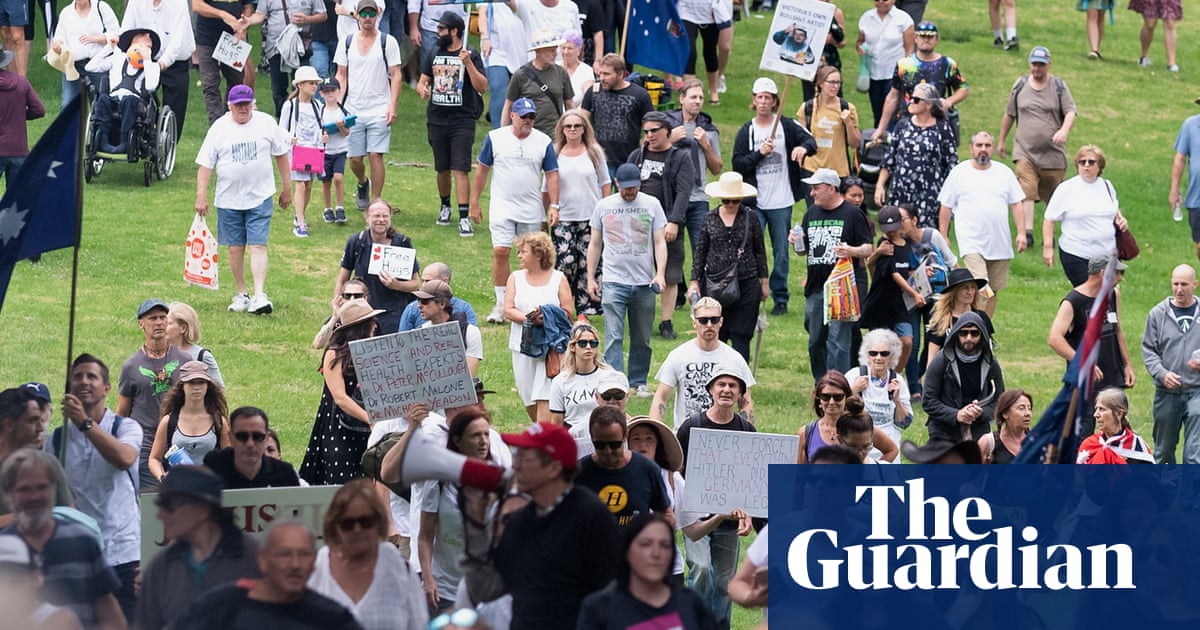
The core issue centers on requirements for protest organizers to obtain public liability insurance before holding events on council-owned land. In one prominent case from July, a resident in Bathurst, New South Wales, notified local authorities of her intention to hold a small rally against the culling of wild horses in Kosciuszko National Park. She estimated attendance would range from five to fifty people and included speakers and music.
The council responded by granting permission only on the condition that she secure a public liability insurance policy with coverage of $20 million. The letter explicitly stated that the council would not be liable for any loss or injury resulting from the event. Faced with the uncertainty of cost and potential legal exposure, the organizer decided to move her protest to a nearby footpath, which is not under council jurisdiction.
She notified police of her intent to gather on the public footpath, a process that grants immunity from certain charges such as obstructing roads. The rally proceeded without incident, drawing an estimated 120 attendees. The organizer expressed fear regarding personal liability, noting she had initially contacted the council merely as a courtesy rather than seeking formal authorization.
Similar incidents have occurred in other jurisdictions. Last month, a community group opposing a proposed data center project in Sydney’s Cooks River area was told by Bayside Council that it needed public liability insurance to hold a rally at a local park. The council also required an event application because the gathering included food, film screenings, and amplified sound, stating it would take eight weeks to assess the request.
After receiving pro bono legal advice, the group decided to proceed without the council’s approval. Organizers reported no further contact from the council after the event took place. A spokesperson for Bayside Council clarified that while they were not opposed to the gathering itself, the specific activities constituted an organized event subject to standard approval requirements.
Critics argue these practices have a chilling effect on civic engagement. Anastasia Radievska of the Australian Democracy Network noted that community groups often form spontaneously around local issues and may lack the resources to navigate complex insurance markets. She warned that as more councils adopt these measures, it normalizes bureaucratic interference in political communication.
Tim Roberts, president of the Council for Civil Liberties, described the demands as a reactionary approach that contravenes the implied constitutional right to freedom of political communication. He compared requiring insurance to implementing a user-pays system for policing protests, arguing that organizers should only need to provide notice rather than seek permission.
The report calls for existing permit systems to be reclassified as notification processes rather than authorization mechanisms. It also recommends eliminating insurance requirements entirely. Currently, New South Wales law imposes a $2,200 fine for holding public gatherings on council land without a permit, though some councils have deviated from this default position.
While the City of Sydney has passed motions affirming the right to protest on municipal land, inconsistencies remain across jurisdictions. The findings suggest a need for clearer guidelines to balance public safety concerns with fundamental democratic rights, ensuring that administrative procedures do not become de facto bans on dissent.
Sources behind this briefing
Go to the original reporting
- The Guardian World↗$20m public liability insurance to rally in a park: how council red tape hinders the right to protest