The short version
- Independent candidate Bill Hill is gaining traction against incumbent Republican Nick Begich by focusing on affordability issues affecting Alaskan households.
- The race has tightened significantly, with national polling organizations downgrading the Republican advantage as Democratic groups increase support for the independent challenger.
- Hill highlights his working-class background and contrasts his modest assets with Begich's multimillion-dollar wealth, while maintaining ambiguity about future party alignment.
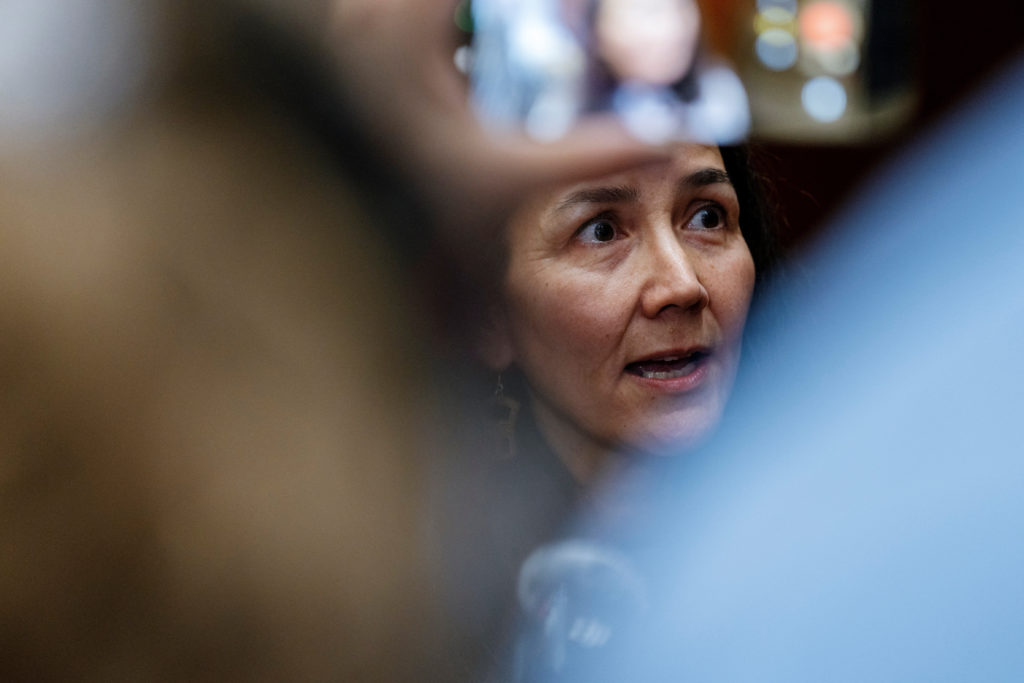
The contest for Alaska’s sole House seat has evolved into a critical test for Republicans seeking to preserve their narrow congressional majority. Independent candidate Bill Hill, a commercial fisher and Alaska Native, is mounting a serious challenge against incumbent Republican Nick Begich in the final weeks before the November 3 election. Unlike typical primary challenges or Democratic opposition, Hill represents a working-class alternative that has resonated with voters frustrated by rising costs, prompting national Democrats to rally behind his campaign despite his independent status.
Hill’s platform centers on the severe economic pressure facing Alaskan residents, particularly regarding fuel and basic necessities. He points to dramatic price increases in his hometown of Naknek, where filling a truck tank jumped from $118 to over $200 this spring. Gasoline prices in the region surged from $6.70 per gallon to nearly $9, while heating fuel costs almost doubled. In remote Indigenous communities along the Kobuk River, such as Ambler and Shungnak, gasoline prices have exceeded $25 a gallon, creating what Hill describes as a daily financial crunch for families.
The broader economic context in Alaska supports these concerns. A recent report by the United Way of Anchorage and Alaska 211 indicates that more than one-third of households lack sufficient income to cover essential expenses like housing, food, and childcare. Hill attributes part of this strain to federal policy changes, including cuts to nutrition assistance and Medicaid, the expiration of Affordable Care Act tax credits, and tariffs implemented by the Trump administration. He also cites the cancellation of renewable energy projects and federal job losses as factors exacerbating local financial instability.
Hill distinguishes himself from Begich through a stark contrast in personal wealth and professional background. With reported assets valued at approximately $119,000, Hill positions himself as a representative of everyday Alaskans who work in construction, education, or small businesses. In contrast, Begich is worth at least $7.4 million. Hill argues that this wealth gap influences Begich’s legislative priorities, characterizing the incumbent as working for billionaires rather than ordinary constituents. Begich’s office has previously denied that his personal finances impact his voting record, though they did not respond to recent requests for comment regarding the current campaign dynamics.
The political landscape of the race has shifted noticeably in Hill’s favor. The non-partisan Cook Political Report recently changed its rating of the district from “likely Republican” to “leans Republican,” indicating a narrowing margin. While the district still favors Republicans by about six percentage points, recent polls show Hill trailing Begich by only single digits. Support for Hill appears to grow when voters learn more about his background, suggesting that name recognition remains a key hurdle he is actively overcoming with increased advertising and national attention.
National Democratic organizations have recognized the potential for an upset. The Democratic Congressional Campaign Committee added the race to its “red to blue” program in September, signaling strategic interest in flipping the seat. This support comes as Republicans face similar independent challenges in other red states, including Senate races in Nebraska and Idaho. Hill’s ability to attract Democratic backing without formally joining the party highlights a tactical approach to unseating Republican incumbents in conservative-leaning districts.
However, the race remains complex due to Alaska’s ranked-choice voting system and the presence of multiple candidates. Begich may benefit from being the only Republican in a four-way general election field. Democrat Eric Hafner, who is currently serving a federal prison sentence in New York and lacks apparent ties to the state, is also on the ballot. Polling suggests that support for Hafner could complicate Hill’s path to victory, potentially splitting the anti-Begich vote or altering the dynamics of later voting rounds.
Hill has not specified whether he would caucus with Democrats if elected, leaving his future legislative alignment uncertain. This ambiguity allows him to appeal to moderate and independent voters who may be wary of strict partisan labels but are dissatisfied with Republican policies. Like former incumbent Mary Peltola, Hill supports gun rights, aligning with Alaska’s strong hunting tradition, and advocates for both the oil industry and renewable energy development. His message emphasizes practical solutions to affordability rather than ideological purity.
Begich, who narrowly defeated Peltola in 2024 by just 2.4 percent despite Donald Trump winning the state by 13 points, faces a tough re-election battle. The incumbent has praised recent legislative actions, including the passage of the One Big Beautiful Bill Act, which includes provisions set to take effect in 2027. As the election approaches, the contest will likely hinge on whether Hill can sustain his momentum and convert economic anxiety into votes sufficient to overcome Begich’s incumbency advantage and the structural benefits of the ranked-choice system.
The outcome of this race carries significant implications for the balance of power in Congress. If Hill succeeds, it would mark a notable shift in Alaska’s political representation and demonstrate the viability of independent candidates challenging established party structures. The focus on affordability and cost-of-living issues reflects broader national trends, making this local contest a bellwether for voter sentiment regarding economic policy and government responsiveness.
Sources behind this briefing
Go to the original reporting
- The Guardian US Politics↗A working-class Alaskan Native takes on a ‘multimillionaire’ Republican for seat in Congress