The short version
- Hurricane Simon maintains Category 4 intensity with 140 mph winds as it parallels the coast near Puerto Vallarta, raising fears of catastrophic storm surge.
- Mexican authorities have suspended classes and initiated evacuations in Jalisco, Colima, Nayarit, and Michoacan, though some tourists remain unprepared for the danger.
- Forecasters warn of life-threatening flooding and mudslides due to potential rainfall totals reaching 30 inches in higher terrain areas along the western coastline.
Hurricane Simon struck Mexico’s Pacific coast on Sunday as a formidable Category 4 storm, maintaining its destructive power by keeping its center just offshore. The system moved parallel to the shoreline, bringing its most violent winds and heaviest rains directly toward communities situated between the Sierra Madre mountains and the ocean. As of midday, the hurricane’s eye was positioned approximately 65 miles from Cabo Corrientes, moving slowly at about 7 mph. This trajectory places the westernmost tip of mainland Mexico in the path of potential direct impact, with the most severe conditions expected to intensify around midnight and persist through Monday morning.
The National Hurricane Center indicated that it remains unclear whether Simon will make a definitive landfall. This ambiguity presents a significant hazard because staying over water allows the storm to sustain its dangerous strength, including winds reaching 140 mph. Hurricane-force winds extend outward up to 25 miles from the center, while tropical-storm-force winds reach as far as 80 miles. Consequently, the entire region between Mexico’s western coast and the mountain ranges is under threat. Officials warned that the area around Puerto Vallarta, a major tourist hub in Jalisco state, faces particularly high risks due to its proximity to the storm’s core.
Meteorologists have issued stark warnings regarding the potential for catastrophic impacts. Phillipe Pappin, a senior specialist at the hurricane center, described the situation as likely to produce life-threatening storm surge and flooding along the west-central coast. The heavy rainfall associated with Simon is expected to trigger mudslides in higher terrain areas. Rainfall totals could reach 10 to 20 inches in many locations, with some parts of Michoacan, Colima, and Jalisco potentially receiving up to 30 inches. These conditions pose severe risks to infrastructure and human safety, particularly in inland communities where housing may not withstand such extreme weather events.
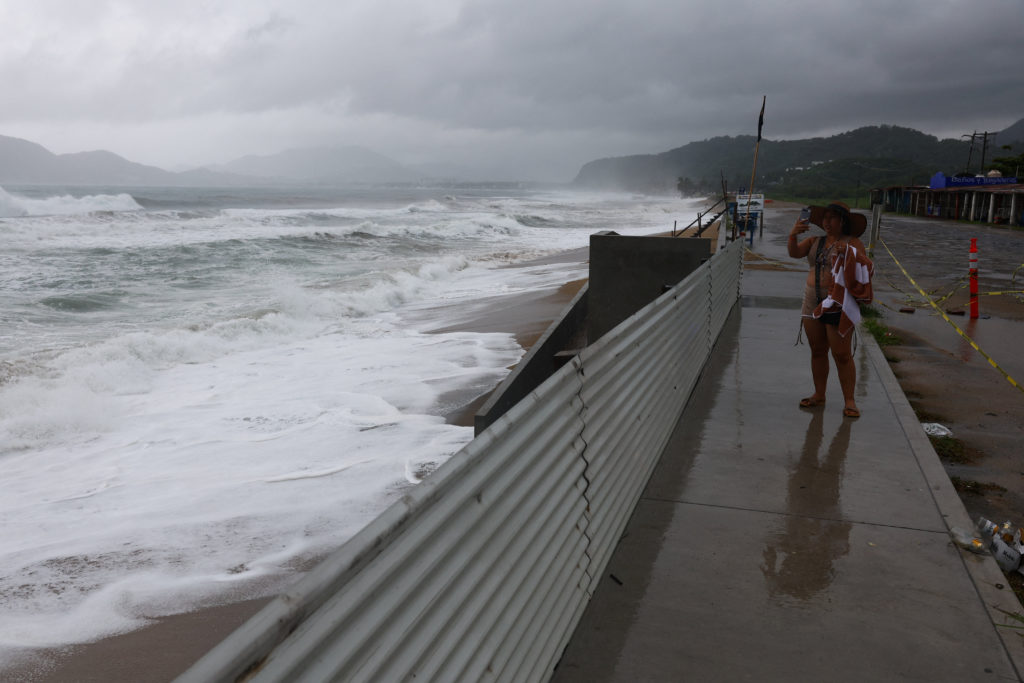
In response to the escalating threat, Mexican authorities have implemented strict safety measures. Classes were suspended on Friday and Monday across 22 coastal municipalities in Jalisco. Evacuations from at-risk areas are underway, with the National Guard patrolling streets and police using megaphones to enforce closures. Officers urged residents and visitors to seek shelter immediately, reminding them that waterfront areas were off-limits. Despite these efforts, not everyone complied with orders, as some individuals continued to jog, walk dogs, or bike near the coast before being redirected by law enforcement.
President Claudia Sheinbaum addressed the crisis on social media, urging residents of Jalisco, Colima, Nayarit, and Michoacan to remain sheltered until official notifications indicate the danger has passed. She emphasized that precautionary evacuations to safe zones were ongoing and that public safety was the top priority. The government also requested that the tourism sector ensure all workers and visitors are accommodated in shelters or designated safe areas. Public transportation services were suspended, complicating movement for locals and limiting access to essential supplies.
The human impact of the storm is evident in the experiences of those on the ground. Víctor Martínez, a hotel worker, reported that he could not reach his workplace due to suspended transit and widespread evacuations. He noted a shift in community preparedness compared to previous storms, referencing a Category 5 hurricane that hit the area in 2002. Martinez observed that while skepticism existed in the past, current precautions reflect a heightened awareness of the risks. However, this vigilance was not universal among all visitors.
Some tourists arrived in Puerto Vallarta unprepared for the severity of the situation. Ricardo Ramírez and Brenda Villarreal, who had planned their vacation months in advance, found themselves searching for food near the closed boardwalk. They encountered police urging people to take shelter but admitted they did not fully understand the extent of the danger. Their experience highlights the challenges of managing tourist safety during sudden natural disasters, as many visitors may lack local knowledge or awareness of emergency protocols.
As Simon continues to churn offshore, the focus remains on minimizing loss of life and property. The slow movement of the storm increases the duration of exposure to high winds and heavy rain. Authorities are closely monitoring the system’s path to determine if it will make landfall or remain parallel to the coast. The coming hours will be critical for emergency responders working to protect vulnerable populations in coastal and inland communities alike.
Sources behind this briefing
Go to the original reporting
- PBS NewsHour↗Hurricane Simon hits Mexico's Pacific coast