The short version
- President Trump declared an immediate energy ceasefire between Russia and Ukraine without providing verification details.
- Ukrainian officials reported continued Russian drone and missile strikes on power infrastructure shortly after the announcement.
- Kyiv stated it is willing to stop striking Russian refineries if Moscow reciprocates, while rejecting calls for elections during martial law.
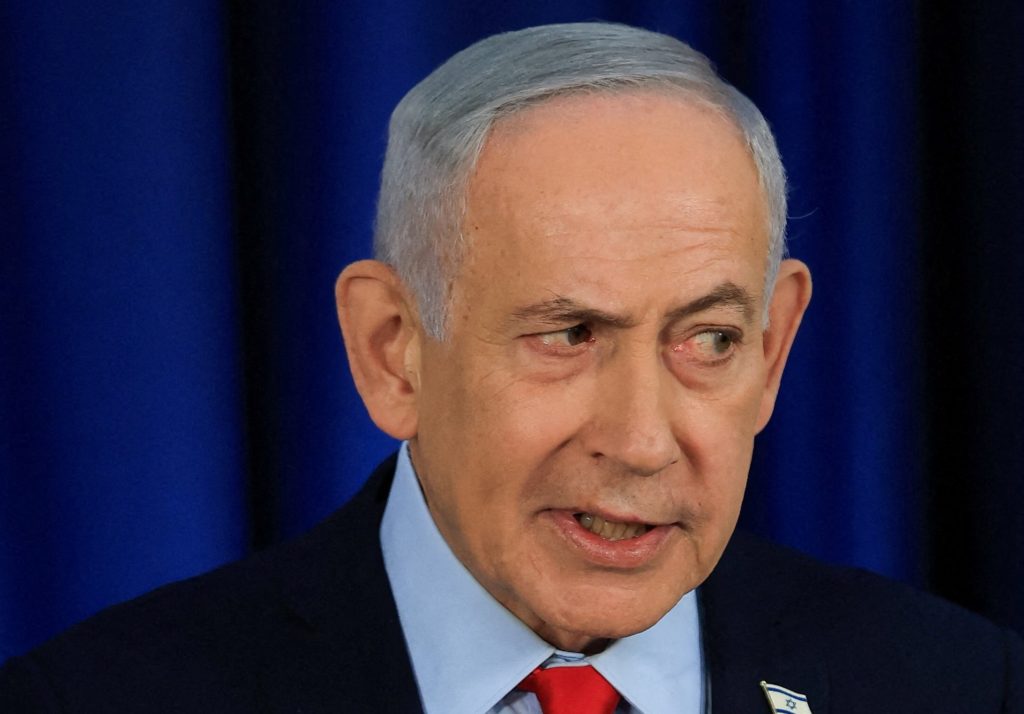
President Donald Trump announced on Sunday that Russia and Ukraine have agreed to an immediate ceasefire regarding energy infrastructure, marking a significant shift in the diplomatic posture toward the ongoing conflict. The declaration appeared via a brief social media post that lacked specific details about the terms or enforcement mechanisms of the agreement. Trump urged both sides not to break the truce, framing the development as a decisive step toward de-escalation after more than four years of war.
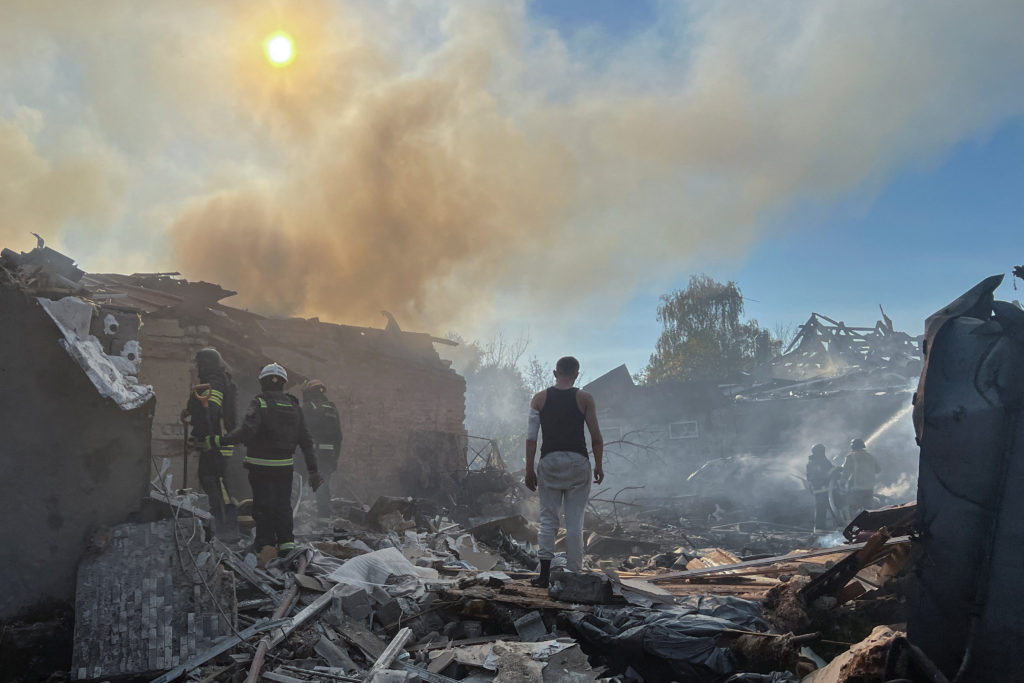
Despite the presidential announcement, Ukrainian authorities reported that Russian attacks on energy sites continued unabated. President Volodymyr Zelenskyy stated that while his government welcomed the news as potentially positive, the reality on the ground told a different story. He noted that Ukrainian skies remained under threat from Iranian-made drones and glide bombs throughout the day. Specifically, a power plant in Kharkiv was struck after Trump’s post went live, according to confirmation from the presidential office.
Zelenskyy emphasized that Ukraine remains prepared to halt its own strikes on Russian energy facilities, provided Moscow does the same. He expressed hope that President Vladimir Putin would finally respond differently to international pressure than he has in the past. The Ukrainian leader highlighted that Kyiv has proposed numerous de-escalatory measures previously, all of which were rejected by the Kremlin. He stressed the importance of mutual restraint to protect civilian infrastructure during the approaching winter months.
The dispute over energy targets has intensified recently, with Trump blaming Ukraine’s drone campaigns for high diesel prices in the United States. This narrative contrasts with assessments from Ukrainian and European officials, who attribute rising fuel costs to broader global market dynamics, including conflicts in the Middle East. Trump recently finalized a deal to purchase diesel from Russia, a move criticized by allies as providing financial support to Moscow’s war effort. He has repeatedly urged Kyiv to cease operations against Russian refineries.
Tensions also flared regarding the political future of Ukraine’s leadership. Trump suggested that Zelenskyy should step down or face replacement, implying that the current administration has failed to end the war effectively. In response, Zelenskyy stated that elections could be held if Russia agreed to a sixty-day total ceasefire. He argued that holding a vote under martial law is unconstitutional and logistically impossible given the occupation of territory and displacement of millions of citizens.
The Ukrainian president clarified that his term technically expired in May 2024, but constitutional provisions allow him to remain in office until a successor is sworn in. He maintained that any electoral process must be secure and free from Russian interference. Zelenskyy engaged with international partners, including leaders from Canada, Finland, and NATO, to coordinate responses to the latest developments. He thanked the United States for its continued support while pushing back against domestic political pressure.
Meanwhile, military operations continue on other fronts. Ukrainian forces conducted a drone strike on a data center in Vladimir, operated by technology company Yandex, causing service outages. This marked the third attack on the firm’s facilities in four days, illustrating Kyiv’s strategy of targeting Russian economic and technological assets. The long-range aerial war persists even as ground forces remain largely deadlocked along the front lines.
The lack of immediate comment from Moscow leaves the status of the alleged ceasefire ambiguous. Without verification or acknowledgment from the Kremlin, it remains unclear whether Russia intends to honor any such agreement. Ukrainian officials describe Russia’s strategy of targeting energy grids as an attempt to weaponize winter and erode public resilience. As diplomatic signals clash with military realities, the situation remains volatile and uncertain.
Sources behind this briefing
Go to the original reporting
- PBS NewsHour↗Trump claims Russia and Ukraine agree to 'energy ceasefire' despite continued attacks