The short version
- Five people were killed and sixteen injured when ballistic missiles struck the presidential palace in Aden, though government officials reported that key leaders remained unharmed.
- Houthi forces claimed responsibility for the strike, describing it as an attack on Saudi military operations headquarters, while Yemeni authorities condemned the action as criminal behavior.
- The incident occurs against a backdrop of renewed hostilities following the collapse of an informal ceasefire, with significant casualties and displacement reported since August.
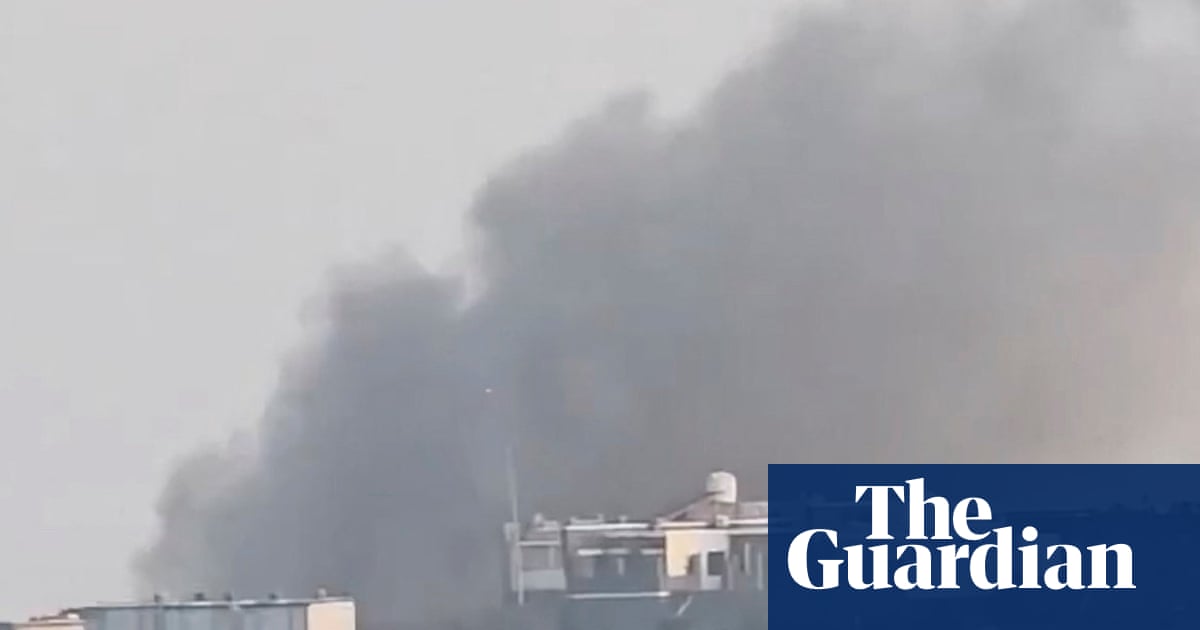
A missile strike targeting the presidential palace in Aden has resulted in five deaths and sixteen injuries, marking a significant escalation in the ongoing conflict in Yemen. The attack occurred at al-Maashiq Palace, which serves as the headquarters for the internationally recognized government based in the southern port city. Verified video footage captured smoke rising from the site following the impact of five ballistic missiles. Despite the severity of the strike, Information Minister Moammar al-Eryani confirmed that Prime Minister Shaya Zindani and other cabinet members were not injured during the incident.
Yemeni health officials indicated that the casualties included both security personnel guarding the facility and civilian employees working within the complex. The government has strongly condemned the attack, with Prime Minister Zindani describing it as a cowardly act and a continuation of criminal behavior by Houthi forces. He emphasized that the administration would continue its duties and vowed to maintain the resolve of pro-government forces engaged in operations against the Houthis along various front lines, including the southwestern Red Sea coast.
Houthi military spokesman Yahya Sarea claimed responsibility for the strike, asserting that the target was a Saudi enemy military operations headquarters located in Aden. This characterization highlights the intertwined nature of the conflict, where Houthi forces view their actions as retaliation against Saudi Arabia’s involvement in Yemen. The Houthis have been launching missiles and drones at strategic targets in Saudi Arabia, including airports, oil facilities, and military bases, in response to what they describe as a blockade and airstrikes on territories they control.
The recent violence follows the unraveling of a four-year informal ceasefire that began to break down in July. At that time, Houthi forces announced a maritime embargo against Saudi Arabia and initiated attacks on Saudi infrastructure and tankers in the Red Sea. They cited these actions as retaliation for alleged Saudi blockades and an airstrike on Sanaa airport. The conflict has since intensified, particularly after Houthi advances near the Bab al-Mandab Strait, a critical chokepoint for global shipping, which contributed to rising oil prices amid broader regional tensions involving the United States, Israel, and Iran.
Saudi Arabia has accused Iran of encouraging the Houthis to escalate their conflict with the kingdom. Deputy Foreign Minister Rayed Krimly stated that Iran continues to arm, train, and support the Houthi militia in violation of UN Security Council resolutions. While Iran has denied supplying weapons to the Houthis, claiming only political support, its foreign minister has expressed readiness to assist in facilitating talks between Saudi Arabia and the Houthis. No immediate response was provided by the Iranian government regarding the latest accusations.
The humanitarian situation in Yemen remains dire, with the government’s health ministry reporting at least 1,282 deaths and 5,890 injuries since fighting resumed in August. The United Nations has noted that approximately 201,000 people have been displaced due to the renewed hostilities. Additionally, there has been a concerning surge in suspected cholera cases, exacerbating the already fragile public health conditions in the country. These figures underscore the severe human cost of the conflict and the urgent need for diplomatic solutions.
Pro-government forces, backed by Saudi-led coalition air support, have recently regained control of territory overlooking the Bab al-Mandab Strait after launching a major counter-offensive. This development comes amid broader efforts to restore stability in regions previously held by Houthi forces. The conflict, which began in 2014 when the Houthis ousted the recognized government from Sanaa, escalated further in 2015 with the intervention of a Saudi-led coalition aiming to restore governmental authority. The current phase of violence represents a significant departure from the relative calm experienced during the ceasefire period.
As tensions continue to rise, the international community remains focused on preventing further escalation that could draw in additional regional actors. The attack on the presidential palace serves as a stark reminder of the volatility in Yemen and the potential for broader conflict. Diplomatic efforts are ongoing, but progress has been slow amid deep-seated mistrust between the warring parties. The situation underscores the complex interplay of local grievances and regional geopolitics that characterize the Yemeni crisis.
Sources behind this briefing
Go to the original reporting
- BBC World↗Houthi missile attack on Yemeni presidential palace kills five, minister says