The short version
- Missiles and drones struck the Al-Maashiq palace in Aden, killing five people including guards and civilian staff, though Prime Minister Shaya al-Zindani survived.
- Houthi forces claim they targeted Saudi military operations headquarters, while Yemeni officials report hits on coalition command centers within the presidential complex.
- The incident follows a surge in attacks on Saudi infrastructure, including airports and oil facilities, disrupting regional aviation and complicating diplomatic efforts to de-escalate tensions linked to wider Iran-related conflicts.
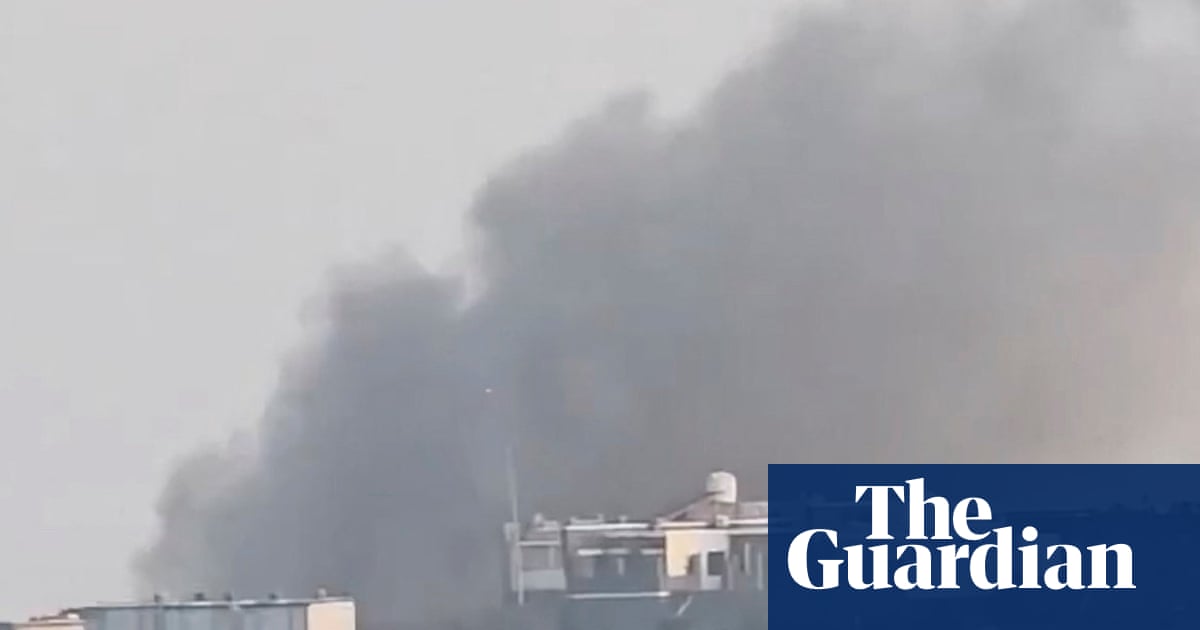
Hostilities between Iran-aligned Houthi rebels and the Saudi-backed government in Yemen have intensified sharply following a missile and drone strike on the presidential palace complex in Aden. The attack, which occurred on Thursday, marks the first time the Al-Maashiq palace has been targeted in the current phase of the conflict. This facility serves as the seat of power for Yemen’s internationally recognized administration, making the strike a symbolic and strategic escalation.
Yemeni health officials reported that five people were killed and sixteen others wounded in the assault. The casualties included security guards and civilian employees working at the complex. Prime Minister Shaya al-Zindani and other cabinet members were unharmed, according to Information Minister Moammar al-Eryani. Witnesses described hearing loud explosions near the government headquarters, confirming the severity of the bombardment.
Accounts regarding the specific targets within the palace grounds vary between conflicting parties. Houthi military spokesperson Yahya Saree stated that fighters bombed what he identified as a Saudi military operations headquarters located in Aden. He framed the strike as part of the group’s declared policy to target Saudi reinforcements wherever they are situated. Conversely, an anonymous Yemeni government minister told Agence France-Presse that three missiles hit a command center for the Saudi-led coalition, while two additional missiles struck the coalition forces’ headquarters within the presidential complex.
The violence in Aden is part of a broader pattern of escalating attacks against Saudi Arabia. Over recent weeks, the Saudi-led coalition has documented dozens of Houthi strikes on infrastructure across the kingdom. These include repeated assaults on Riyadh’s international airport, which has been targeted twenty times since the beginning of October. A previous attack on the airport resulted in thirteen deaths and more than three hundred injuries, highlighting the lethal nature of these campaigns.
Regional stability has been further undermined by disruptions to commercial aviation and energy infrastructure. Thousands of flights across Saudi Arabia have faced cancellations or delays due to warnings from rebels regarding the use of airspace for military operations. Additionally, Saudi Aramco, the state oil giant, reported damage to its headquarters earlier this week following alleged Houthi attacks. The coalition also intercepted drones over eastern provinces and near major military airbases, indicating widespread aerial threats.
International bodies have responded with strong condemnation of the escalating violence. The United Nations Security Council issued a joint statement criticizing the continued and escalatory nature of Houthi attacks against Saudi Arabia. The statement specifically denounced reckless strikes on Riyadh’s airport as well as ongoing threats to commercial shipping in the Red Sea and Bab al-Mandab strait. These actions are viewed as destabilizing not only for the immediate region but also for global trade routes.
The conflict appears linked to wider geopolitical tensions involving the United States, Israel, and Iran. Aid agencies have warned that conditions in Yemen are deteriorating rapidly as fighting revives a devastating civil war that had seen four years of relative calm. Particular concern is focused on Taiz, Yemen’s third-largest city, which remains under Houthi siege. Residents there are facing severe shortages of basic necessities, exacerbating the humanitarian crisis.
Despite the intensity of the current fighting, some areas remain exempt from direct attacks. The Houthis have previously pledged not to target airports in the holy cities of Mecca and Medina. However, the coalition reported intercepting a cruise missile over Medina province earlier on Thursday, though they did not assign blame for that specific incident. The Houthi spokesperson denied responsibility for the Medina strike, maintaining their stated policy regarding religious sites.
The diplomatic outlook remains uncertain as these clashes complicate efforts to end the wider conflict involving Iran. Global markets are rattled by the instability in Saudi Arabia, a top oil exporter, while regional aviation faces ongoing disruptions. The combination of military escalation and humanitarian decline suggests that without significant de-escalation, the situation could worsen further, impacting both local populations and international interests.
As the immediate aftermath of the Aden strike unfolds, attention turns to potential retaliatory measures and diplomatic interventions. The Saudi-led coalition continues to monitor threats across its territory, while Yemeni officials assess the damage to government infrastructure. The divergence in narratives between Houthi claims and government reports underscores the difficulty in verifying details amidst active combat. The coming days will likely reveal whether this escalation leads to broader engagement or remains contained within existing conflict parameters.
Sources behind this briefing
Go to the original reporting
- The Guardian World↗Houthi missiles strike Yemen presidential palace, killing five