The short version
- Mouria, a historic coffeehouse in Athens' Exarchia district, has ceased operations after failing to renew its lease.
- The closure reflects wider gentrification trends that are displacing traditional businesses and altering the area's political character.
- Efforts to designate the venue as a protected heritage site were unsuccessful despite significant public support.
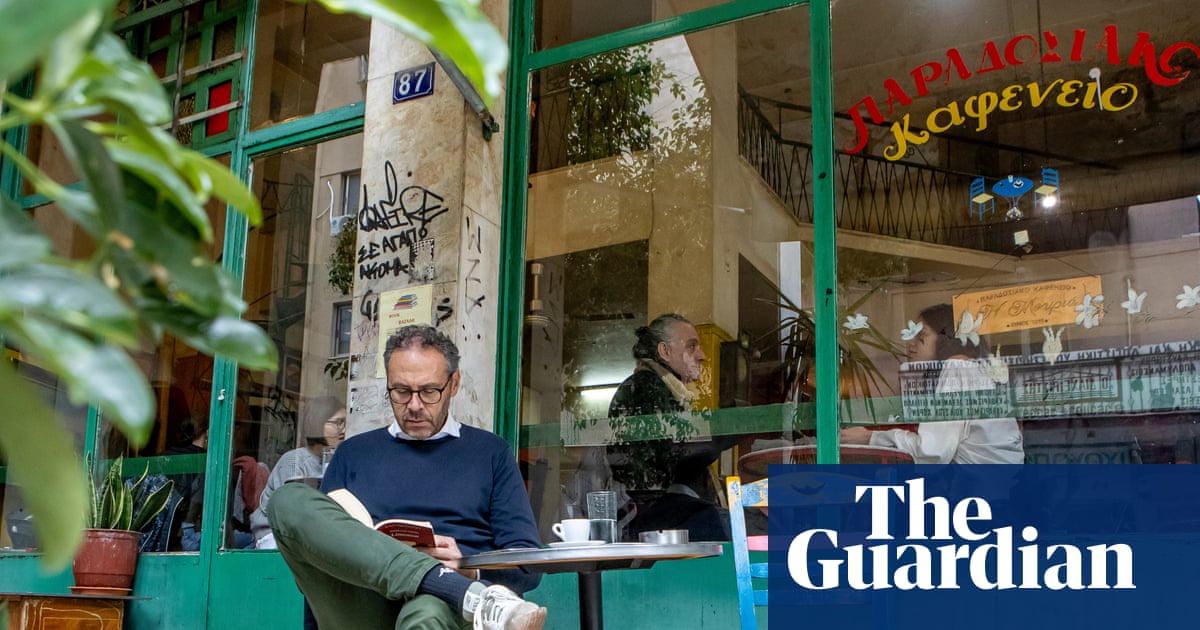
A landmark establishment in Athens’ Exarchia neighborhood has permanently closed its doors, signaling a significant shift in one of Greece’s most politically charged districts. Mouria, a coffeehouse that operated for decades as a gathering place for artists, intellectuals, and activists, ended service after the property owners declined to renew its lease. The closure follows a prolonged period of uncertainty regarding the venue's future, culminating in a final weekend of patronage before the premises were vacated.
For nearly half a century, Christos Vanas managed the cafe, maintaining a strict routine that saw him open the doors early each morning. The establishment became synonymous with the area’s identity as a hub for left-wing solidarity and radical thought. Regulars included writers, lawyers, doctors, and political figures who viewed the space as essential to their daily lives and professional networks. The loss of this venue is being felt deeply by long-time residents who see it as a casualty of changing economic forces.
Exarchia has historically served as the nerve center for anti-authoritarian movements in Athens. Its reputation stems from events such as the 1973 Polytechnic uprising, which contributed to the fall of the military junta. The neighborhood’s narrow streets and graffiti-covered buildings have long reflected a spirit of resistance that contrasts sharply with mainstream commercial interests. However, recent years have brought increased attention from investors and tourists, leading to visible changes in the local landscape.
The decision not to renew the lease sparked an online campaign urging the Greek culture ministry to intervene. Approximately 7,500 people signed a petition requesting that Mouria be declared a protected heritage site. Despite this substantial show of support, authorities did not take action to preserve the business. The failure to secure official protection underscores the challenges faced by traditional establishments in areas undergoing rapid commercial transformation.
Gentrification has accelerated in Exarchia as tourist numbers in Athens have more than doubled over the past decade. New shops catering to foreign visitors have replaced older businesses, and many buildings have been converted into short-term rentals. Signs in English are now common, altering the visual character of streets that were once distinctly local. This influx of external capital has led to rising costs and a shift in the demographic makeup of the area.
Residents express concern that these changes erode the neighborhood’s unique cultural fabric. Areti Vanas, daughter of the proprietor, noted that Mouria maintained its original menu and pricing structure throughout its operation. The refusal to adapt to modern cafe trends, such as serving international beverages or raising prices, was a deliberate choice to preserve authenticity. This stance resonated with patrons who valued the space for its consistency and historical significance.
The closure of Mouria is part of a broader trend affecting traditional coffeehouses across Greece. In rural areas, the disappearance of kafeneia has contributed to depopulation and social fragmentation. In urban centers like Exarchia, the loss of such venues represents a dilution of community spaces that fostered political discourse and social cohesion. The rise of third-wave and Italian-style cafes has created a new cafe economy, but often at the expense of older institutions.
Local anger has also been directed at infrastructure projects, including the construction of a metro station, which some view as further encroachment on the neighborhood’s character. Tours marketed to visitors highlight sites associated with leftist activism, creating a paradox where resistance culture becomes a commodity. This dynamic adds complexity to the ongoing debate about how to balance preservation with development in historic urban areas.
As Mouria closes, it leaves behind a legacy of political engagement and cultural continuity. The departure of such an iconic business raises questions about the sustainability of countercultural spaces in increasingly commercialized environments. Future developments in Exarchia will likely continue to reflect these tensions, as stakeholders navigate the competing demands of heritage preservation and economic growth.
The end of Mouria serves as a case study in the impact of gentrification on community identity. While some changes are inevitable in growing cities, the loss of spaces that anchor local history can have lasting effects on social cohesion. Observers will watch to see how other traditional businesses fare in the face of similar pressures, and whether policy interventions might emerge to protect cultural landmarks.
Sources behind this briefing
Go to the original reporting
- The Guardian World↗‘The last fortress’: historic Athens cafe closes as countercultural area gentrifies