The short version
- Rare letters written by expedition scientist Jean-André Mongez have been found hidden within a book of engravings, offering a personal counterpoint to official scientific records.
- The correspondence details Mongez's romantic entanglements and growing despair over the voyage's dangers and lackluster scientific returns before the ships vanished in 1788.
- While the wrecks were identified decades ago, these documents provide new insight into the human experience of the crew during a period of intense Anglo-French colonial rivalry.
A collection of previously unknown letters has emerged from an auction lot, providing a rare glimpse into the personal lives of those aboard Jean-François de Galaup, Count of La Pérouse’s ill-fated expedition. The documents were discovered concealed within a volume of engravings being prepared for sale, a find that experts describe as extraordinary given the scarcity of non-scientific records from the voyage. These writings offer a human dimension to a historical event long defined by its maritime mystery and political significance.
The letters were authored by Jean-André Mongez, a distinguished scientist and church canon who served on the mission. They are addressed to Louise Victoire Le Cloustier, the daughter of a minor noble family in Normandy. Unlike the official logs that focused on navigation and discovery, these messages reveal Mongez’s private turmoil. He writes with regret regarding past behavior and expresses a desire to reform himself, suggesting that personal heartbreak may have influenced his decision to join such a perilous journey despite already holding a prestigious position.
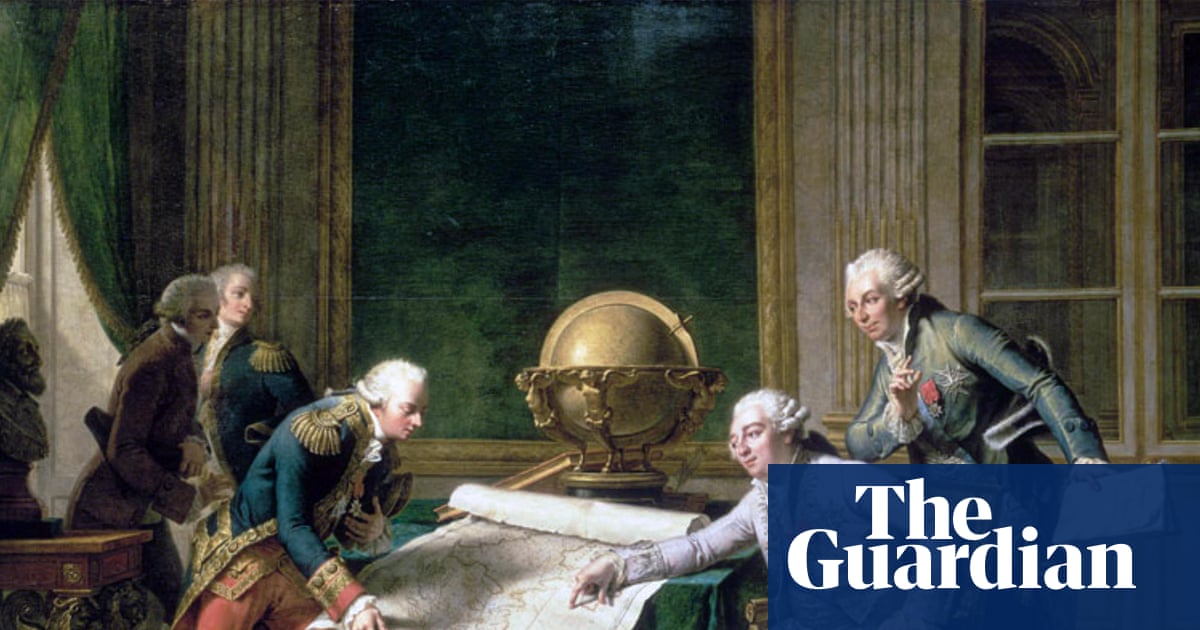
La Pérouse’s expedition was launched in 1785 under the orders of King Louis XVI, driven by both scientific ambition and geopolitical rivalry with Britain. The French monarch sought to challenge British dominance in Pacific exploration and verify intelligence regarding potential British settlements in Australia. The mission carried two ships, La Boussole and L’Astrolabe, along with 225 crew members, officers, and scientists. For nearly three years, the fleet traveled extensively, making stops in Alaska, California, Asia, Russia, and Samoa.
The tone of Mongez’s correspondence shifts as the voyage progresses. Initially motivated by a mix of fame and curiosity, his later writings reflect deep dissatisfaction. He notes that the harsh conditions and tragic events, including the massacre of crew members during a stopover, outweighed the modest scientific gains. In his final known letter, he expresses a strong desire to return home, citing unhappiness that was not compensated by the expedition’s results. This personal account contrasts sharply with the stoic public image often associated with such missions.
The fate of the expedition remains one of history’s enduring maritime mysteries. After departing Botany Bay in March 1788, the ships disappeared without a trace. It is widely believed that they foundered on coral reefs near Vanikoro, east of the Solomon Islands, during a severe storm. While wreckage was spotted in the nineteenth and twentieth centuries, it was not formally identified until 2005. The loss of the fleet occurred just months after Captain Arthur Phillip’s First Fleet arrived in Australia, beating La Pérouse to the region by only six days.
The emotional weight of these letters is underscored by their preservation. Le Cloustier kept the correspondence for decades, likely hiding it from her husband, and continued to read them until her death in 1821. She remained unaware of Mongez’s fate or the ultimate end of the expedition. The fact that she retained these intimate messages suggests a significant emotional connection, adding a layer of personal tragedy to the broader historical narrative.
Experts note that while official documents from the La Pérouse mission are abundant, they are almost exclusively scientific in nature. These love letters provide a unique window into how young men endured the psychological shock of a three-year global voyage under unimaginable conditions. They reveal the fear, regret, and longing for home that accompanied the pursuit of knowledge and national prestige.
The discovery highlights the complex motivations behind historical exploration. While Louis XVI viewed the mission through the lens of trade routes and colonial competition, individuals like Mongez were driven by personal desires and emotional struggles. The letters serve as a reminder that behind every grand historical event are individual stories of loss, hope, and human vulnerability.
The auctioneers handling the collection have described the find as a miracle, emphasizing its rarity and historical value. As these documents enter the public domain, they invite a reevaluation of the La Pérouse expedition not just as a scientific or political endeavor, but as a deeply human experience marked by both ambition and despair.
Future research may use these letters to better understand the social dynamics aboard the ships and the psychological impact of long-distance exploration in the eighteenth century. The correspondence stands as a poignant testament to those who vanished into history, their voices preserved only through the fragile medium of paper hidden within a book.
Sources behind this briefing
Go to the original reporting
- The Guardian World↗Rare love letters to French aristocrat shed light on Louis XVI maritime mystery