The short version
- Councils are replacing physical ticket machines with app-only payment systems to reduce maintenance expenses.
- Drivers often encounter mandatory service fees of 10p to 30p that are not clearly displayed on car park signage.
- Regulators and consumer groups argue these hidden costs violate transparency standards, while app providers defend their pricing models.
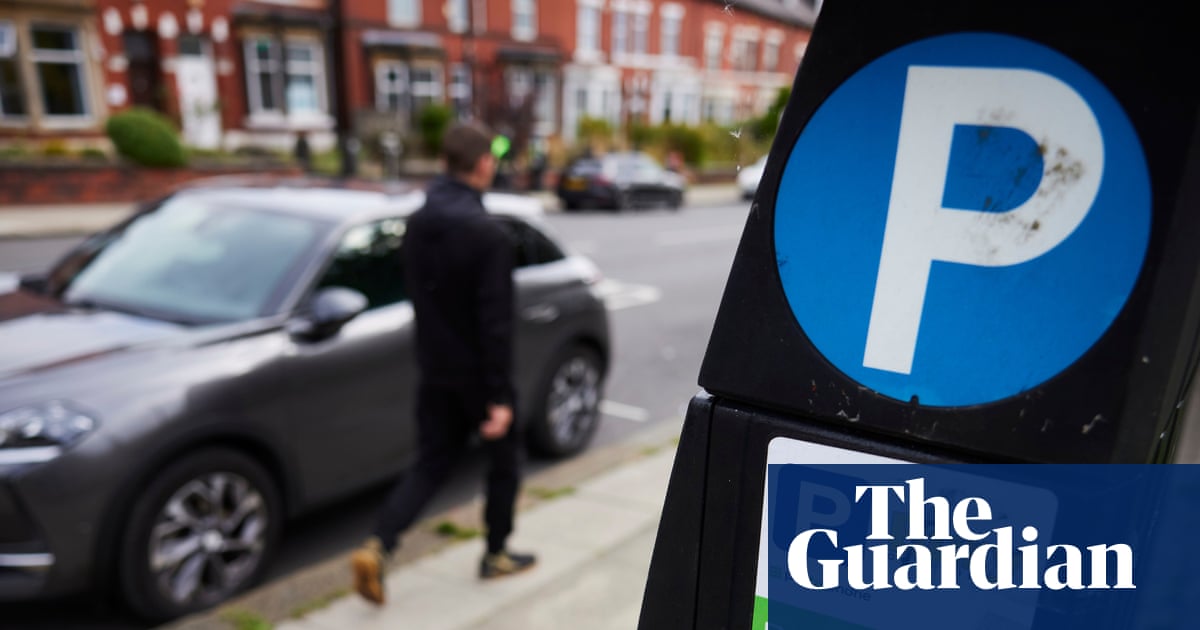
Local government authorities across England are increasingly abandoning traditional pay-and-display machines in favor of digital payment applications, a shift that is quietly raising the cost of parking for motorists. While councils cite significant savings from eliminating the installation and upkeep of physical hardware, drivers are finding themselves paying substantially more than advertised tariffs suggest. Investigations reveal that these additional charges, often labeled as convenience or service fees, can inflate the price of a single hour of parking by nearly forty percent in some locations.
The transition to app-based payments has accelerated in recent years, with many local authorities encouraging digital transactions to reduce queues at physical machines. In numerous instances, particularly when ticket machines malfunction, mobile applications become the sole method for settling parking debts. However, the signage at these car parks frequently fails to disclose that using an app will trigger extra charges. This lack of transparency means motorists often discover the true cost of their stay only after they have already parked and initiated a payment.
Analysis of various parking applications indicates that service fees typically range between ten and thirty pence per transaction. These amounts are rarely included in the headline prices displayed on council signs. Even within the digital interfaces themselves, the additional costs are often obscured. Testing conducted by news organizations found that none of the examined apps clearly presented these fees until the final stage of the payment process. In several cases, users were required to click small information icons or scroll to the bottom of screens to understand why the total price had increased beyond the base tariff.
The financial impact on drivers can be significant relative to the low base cost of short-term parking. For example, in Harrogate, North Yorkshire, a mandatory thirty-pence service charge added to an eighty-pence hourly rate results in a nearly thirty-nine percent increase. Similarly, in Chester, adding a twenty-pence convenience fee to a fifty-pence two-hour tariff raises the total cost by forty percent. These surcharges are applied regardless of whether the driver views them as optional, as they are often mandatory for completing the transaction through the app.
Additional costs may also arise from optional services such as text message alerts for booking confirmations or expiry notifications. These messages typically carry their own fees, usually between ten and thirty pence per text. While some drivers may find these reminders useful, the cumulative effect of multiple small charges can make digital parking considerably more expensive than using a physical machine, had one been available and functional.
Legal and regulatory frameworks surrounding these fees present a complex landscape. The Advertising Standards Authority maintains that quoted prices must include all mandatory fees for a contract to be considered valid. Drivers enter into a contractual agreement with the local council upon accepting the car park’s terms and conditions. However, because app providers operate as separate entities, the fees they charge may not legally need to be displayed on municipal signage. This distinction allows councils to advertise lower base rates while shifting the burden of transaction costs onto the user.
App providers have defended their pricing structures, arguing that the fees fund the digital services they offer. Representatives from companies such as RingGo and PayByPhone state that all relevant pricing information is available within their applications before payment confirmation. They contend that it is the responsibility of local authorities to decide whether to display these additional costs on physical signs. The Local Government Association has echoed this sentiment, placing the onus on app providers to ensure clarity in their user interfaces.
Consumer advocacy groups and transport officials have expressed concern over the lack of upfront transparency. The Department for Transport emphasizes that drivers should be able to see clearly what they will be charged before paying for parking. Meanwhile, organizations like the AA argue that if a sign states a specific hourly rate, that should be the final price paid by the driver. As more councils continue to remove physical payment options, the debate over fair pricing and consumer protection in digital parking services is likely to intensify.
The situation highlights a broader tension between municipal cost-cutting measures and consumer rights. While digitization offers efficiency gains for local governments, it risks imposing hidden costs on residents and visitors who may not be aware of the additional fees until it is too late. Until clearer regulations or industry standards are established, drivers remain vulnerable to unexpected charges that significantly alter the advertised cost of parking.
Sources behind this briefing
Go to the original reporting
- The Guardian World↗Drivers forced to use parking apps can pay up to 40% more