The short version
- New Delhi experienced hazardous air pollution levels immediately following Diwali celebrations.
- The Supreme Court allowed limited use of 'green firecrackers' in three-hour windows over the holiday weekend.
- Seasonal factors like cooler weather and agricultural burning contribute to the region's chronic winter smog.
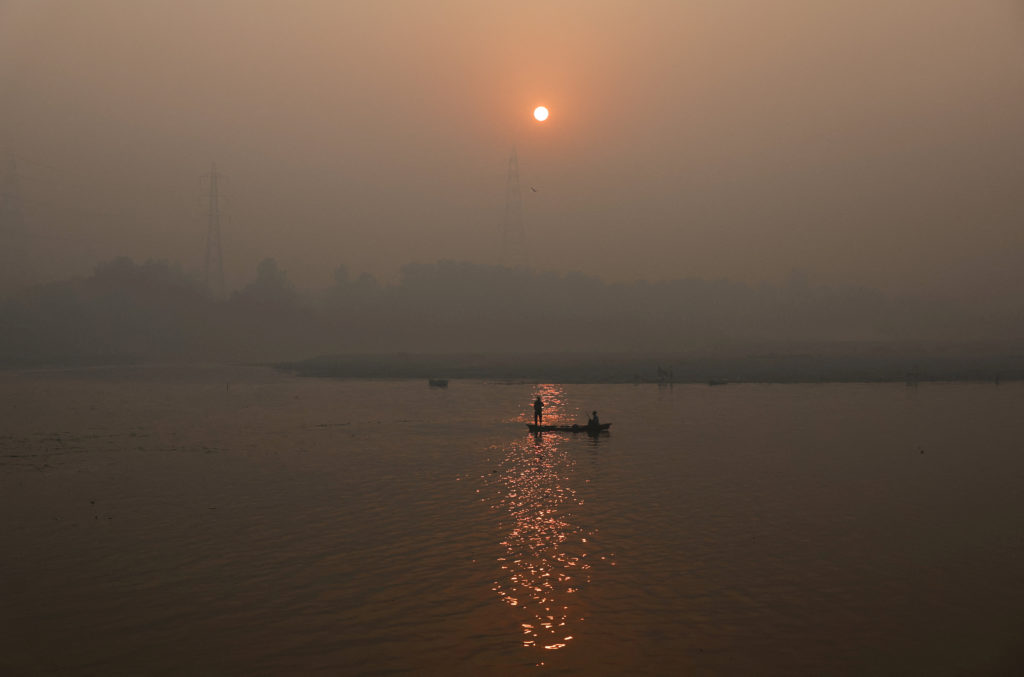
New Delhi was enveloped in a thick blanket of hazy smog on Monday, following a weekend of Diwali celebrations. Air quality index monitors recorded hazardous levels of pollution across the city, posing significant health risks to nearly all individuals residing in the area. The deterioration of air quality highlights the ongoing environmental challenges faced by India's capital, particularly during the winter months when atmospheric conditions trap pollutants close to the ground.
Diwali, known as the Festival of Lights, is a major religious celebration observed by more than a billion people across various faiths in India, including Hindus, Sikhs, Jains, and Buddhists. The festival symbolizes the triumph of light over darkness and is traditionally marked by lights, fireworks, feasting, new clothes, and prayers. While the sale and use of fireworks and firecrackers in Delhi are typically illegal, a recent ruling by India's Supreme Court permitted the use of so-called "green firecrackers" during limited three-hour windows over the holiday weekend.
The decision to allow these restricted fireworks has drawn attention to the tension between cultural traditions and environmental concerns. Despite the intent to reduce pollution with "green" alternatives, the cumulative effect of widespread usage contributed to the hazardous smog that shrouded the city. NPR reported that New Delhi, home to over 30 million people, regularly ranks among the world's most polluted areas during winter, with conditions worsening significantly in late October and November.
Several seasonal factors exacerbate the pollution problem in the Delhi region. Cooler weather and lower wind speeds during autumn trap pollutants, including vehicle fumes, closer to the ground. Additionally, smoke from farmers in neighboring states who burn fields in advance of the planting season adds to the poor air quality. These agricultural practices, combined with urban emissions and festival-related fireworks, create a perfect storm for hazardous smog events.
The health implications of such high pollution levels are severe. Hazardous air quality can lead to respiratory issues, cardiovascular problems, and other serious health conditions, particularly affecting vulnerable populations such as children, the elderly, and those with pre-existing medical conditions. Public health officials have likely issued warnings advising residents to limit outdoor activities and use protective measures like masks.
This incident underscores the broader challenge of balancing cultural heritage with environmental sustainability in rapidly urbanizing regions. While Diwali is a cherished tradition, its celebration methods often conflict with modern environmental standards. The Supreme Court's attempt to mitigate harm through regulated "green firecrackers" represents a compromise, but the resulting smog suggests that further measures may be necessary.
Efforts to address air pollution in New Delhi have been ongoing, with various initiatives aimed at reducing emissions from vehicles, industry, and construction sites. However, the recurring nature of severe smog episodes indicates that current strategies may not be sufficient. The integration of traditional practices with sustainable alternatives remains a complex issue requiring innovative solutions and community engagement.
As the city grapples with the aftermath of this Diwali season, stakeholders must consider long-term strategies to improve air quality without diminishing cultural significance. This could involve promoting eco-friendly celebration methods, enhancing public transportation, and enforcing stricter regulations on industrial emissions. Collaboration between government bodies, environmental organizations, and local communities will be crucial in achieving meaningful progress.
The smog crisis following Diwali serves as a reminder of the urgent need for comprehensive environmental policies that address both immediate health risks and long-term sustainability goals. For New Delhi, finding a path forward requires acknowledging the deep-rooted cultural importance of festivals while prioritizing the well-being of its residents.
Sources behind this briefing
Go to the original reporting
- PBS NewsHour↗WATCH: Smog blankets New Delhi after Diwali celebrations
- NPR↗Thick smog shrouds New Delhi after Diwali firecrackers add to seasonal pollution
- PBS↗WATCH: Smog blankets New Delhi after Diwali celebrations