The short version
- The Green Party adopted a contentious policy classifying Zionism as a form of racism, passed by a small fraction of the membership.
- Internal tensions have escalated regarding leader Zack Polanski's absence during the vote and his subsequent refusal to resign despite criticism.
- MP Ellie Chowns warns that current party structures are failing to prevent extremist influence, while Jewish members debate leadership accountability.
The United Kingdom Green Party is navigating a period of intense internal conflict following the adoption of a controversial policy motion at its annual conference. The measure, which characterizes Zionism as a form of racism and advocates for a single Palestinian state rather than a two-state solution, was approved by approximately 1,000 votes. This figure represents roughly 0.4 percent of the party’s total membership, highlighting a significant disconnect between the voting bloc and the broader base.
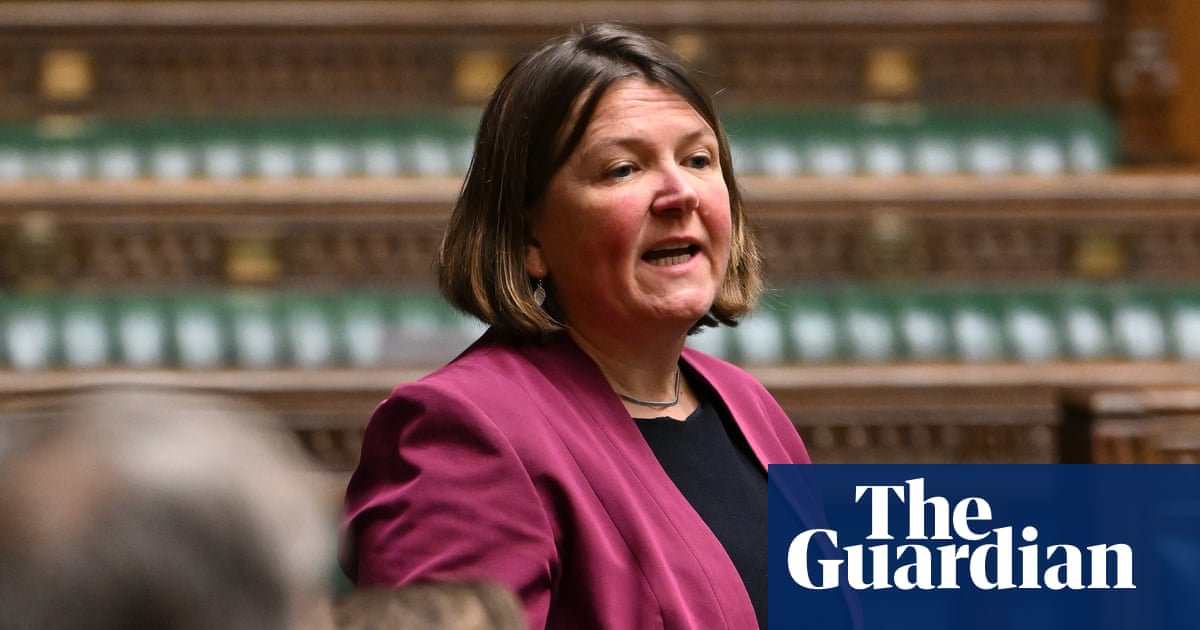
Ellie Chowns, the Green Party leader in the House of Commons, has publicly criticized the outcome, arguing that the ease with which such a divisive policy was passed demonstrates systemic failures in the party’s decision-making mechanisms. She expressed concern that the organization is becoming vulnerable to capture by extremists and racists, although she clarified that her remarks were aimed at strengthening institutional safeguards rather than confirming the presence of specific individuals with such views.
Chowns emphasized that the motion does not reflect the opinions of the majority of Green Party members or the wider public. She stated that the party should avoid getting bogged down in semantic debates over contested terms and instead focus on uniting to criticize what she described as the horrific actions of the Israeli government. Her comments come as tensions between the UK and Israel remain high, following Labour’s imposition of sanctions on illegal settlements and Israel’s retaliatory attempts to close the British consulate in Jerusalem.
The controversy has intensified scrutiny of party leader Zack Polanski, who missed the conference debate and vote to campaign in a recent byelection. Polanski faced accusations of abdicating his leadership responsibilities by failing to provide clear guidance on the motion. In interviews following the election loss in Holborn and St Pancras, where he secured just under 33 percent of the vote, Polanski stated he would have opposed the measure had he been present.
Polanski explained that two amendments he supported, which argued that the future structure of a Palestinian state should be determined by Palestinians rather than imposed as a one-state system, were rejected. Despite calls for his resignation, including from Vivien Lichtenstein, chair of the Jewish Greens, Polanski has insisted he will remain in his role. The party’s next scheduled leadership election is not due until the summer of 2027.
Lichtenstein criticized Polanski’s decision to avoid the vote as a significant error and argued that he should step down. However, other members of the Jewish Greens have indicated that Lichtenstein’s stance does not represent the majority view within their group. A motion of no confidence in her leadership has been tabled, suggesting deep fractures even among those most directly affected by the policy shift.
Research conducted prior to the vote revealed shifting attitudes among Jewish voters who support the Greens. Data indicated that while the percentage of British Jews identifying as Zionist rose between 2022 and 2025, Jewish Green supporters felt their attachment to Israel had weakened. This trend underscores the complex political landscape the party must navigate as it seeks to balance its progressive base with broader electoral appeal.
Chowns noted that Polanski’s lack of clear leadership during the crisis was disappointing but suggested he still has an opportunity to unite the party by acknowledging the flaws in the motion. The debate over whether the Greens’ decentralized policymaking structures remain suitable for a rapidly expanding membership is likely to continue, especially as the party assesses its strategic direction following recent electoral losses.
The incident raises broader questions about how political parties manage internal dissent and policy formulation in an era of heightened polarization. As the Green Party grapples with these challenges, it must determine how to maintain cohesion while addressing legitimate concerns about extremism and representation. The coming months will be critical in shaping the party’s identity and its ability to compete effectively in future elections.
Sources behind this briefing
Go to the original reporting
- The Guardian World↗Greens must avoid ‘capture by extremists and racists’, says party MP