The short version
- Ukrainian drones struck two Yandex data centers in Russia, damaging supercomputers used for AI model training.
- The attacks are described by Kyiv as a symmetrical response to Russian strikes on Ukrainian digital infrastructure since late September.
- Disruptions affected major Russian services including banking, streaming, and rail transport, highlighting the vulnerability of civilian tech hubs.
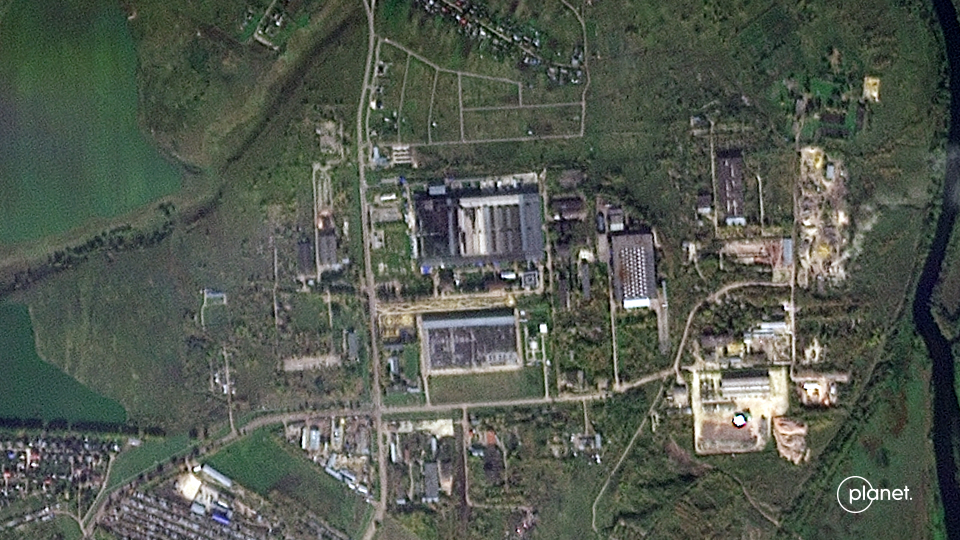
Ukrainian drone forces have struck two major data centers belonging to Yandex, the technology conglomerate often referred to as 'Russia’s Google,' causing significant disruptions to artificial intelligence operations and online services. The attacks, which occurred on October 8 and October 9, targeted facilities in the Sasovo and Kaluga regions of Russia. According to Reuters, these strikes represent a deliberate escalation in Ukraine’s campaign against Russian digital infrastructure, aimed at countering recent Russian assaults on Ukrainian telecommunications networks.
The facility in Sasovo houses two of Yandex’s three supercomputers, which are critical for training the company’s YandexGPT AI model. The second strike hit the Kaluga region, home to Yandex’s largest data center. Firepoint, a Ukrainian defense contractor, stated that its FP-1 one-way attack drones were utilized in the assault on the Kaluga site. While Yandex confirmed that no employees were injured, the company acknowledged widespread service interruptions. The damage has reportedly hindered Yandex’s ability to maintain its AI chatbot and other core digital platforms.
The impact of the strikes extended beyond Yandex’s own services. Independent Russian news outlet Meduza reported that users experienced difficulties accessing a variety of popular applications and websites. Affected services included the Ivi video streaming platform, T-Bank’s digital banking interface, and the state-owned Russian Railways website. Reuters noted additional disruptions to a dating app, a real estate aggregator, a self-publishing book platform, and the official site of a leading professional soccer club in the Russian Premier League.
Ukrainian President Volodymyr Zelenskyy framed the attacks as a direct and proportional countermeasure. In a post on X, he stated, 'We continue to respond to Russia’s attacks on Ukraine, and we’re doing so with high precision.' He described the strikes as a 'symmetrical response' to Russian drone campaigns that have targeted Ukrainian data centers since late September. Those Russian attacks have severely disrupted mobile phone and internet connectivity for thousands of Ukrainians, prompting Kyiv to expand its own strike capabilities beyond traditional military targets.
The targeting of data centers reflects a broader evolution in modern warfare, where digital infrastructure has become a primary battlefield. In February 2026, following U.S. and Israeli strikes on Iran, Iranian drones disabled multiple Amazon data centers in Bahrain and the United Arab Emirates. This pattern suggests that tech hubs are increasingly viewed as legitimate strategic targets in geopolitical conflicts. Ukraine’s focus has shifted from solely military bases and supply lines to include energy infrastructure and now, critical information technology assets.
Russia has maintained a consistent campaign of mass missile and drone attacks against Ukrainian cities since launching its full-scale invasion in February 2022. These strikes have frequently targeted power grids, transportation hubs, and residential areas. Ukraine has faced challenges in intercepting these projectiles due to shortages of defensive weapons capable of shooting down Russian missiles and jet-powered drones. In response, the Ukrainian military has gradually increased its use of medium-range and long-range drones to strike deeper into Russian territory.
Previous Ukrainian drone campaigns have focused on Russian military bases, supply lines, shipping in the Sea of Azov and Black Sea, and energy infrastructure such as oil refineries. The summer of 2026 saw strikes on warehouses belonging to Russian companies. The recent attacks on Yandex mark a significant pivot toward targeting the computational power that underpins Russia’s digital economy and artificial intelligence development.
The long-term implications of these strikes remain unclear. While immediate service disruptions have been reported, it is uncertain how severely the damage will affect Yandex’s ability to recover its AI training capabilities or restore full service availability. The incident underscores the growing fragility of digital infrastructure in conflict zones and raises questions about the future of cybersecurity and physical protection for data centers in Russia and beyond.
As the conflict continues, both sides appear committed to expanding the scope of their attacks. Ukraine’s ability to strike high-value digital targets with precision drones demonstrates a tactical adaptation to resource constraints. Meanwhile, Russia’s continued targeting of Ukrainian civilian infrastructure suggests that the war’s impact on daily life for citizens in both nations will remain profound and pervasive.
The international community has yet to issue a unified response to the targeting of commercial data centers. The incident highlights the blurred lines between military and civilian targets in the digital age, posing complex ethical and legal questions for global norms regarding warfare. As technology becomes more integral to national security, the protection of digital assets may become as critical as the defense of physical borders.
Sources behind this briefing
Go to the original reporting
- Ars Technica↗Ukraine’s drones knock out AI data center belonging to "Russia’s Google"
- Reuters↗What has been hit in Ukraine's attacks on Russian energy sites?
- Al Jazeera↗Ukraine launches major drone attack on Russia’s Moscow region, killing two
- ABC News - Breaking News, Latest News and Videos↗Ukraine launches major drone attack again on Russia