The short version
- Video footage captured a great white shark breaching near beachgoers, prompting official confirmation and safety notices from state park authorities.
- The incident aligns with seasonal migration trends where sharks return to Monterey Bay waters in late summer and early fall.
- Conservationists emphasize the species' vulnerable status and critical role in marine ecosystems despite historical population declines.
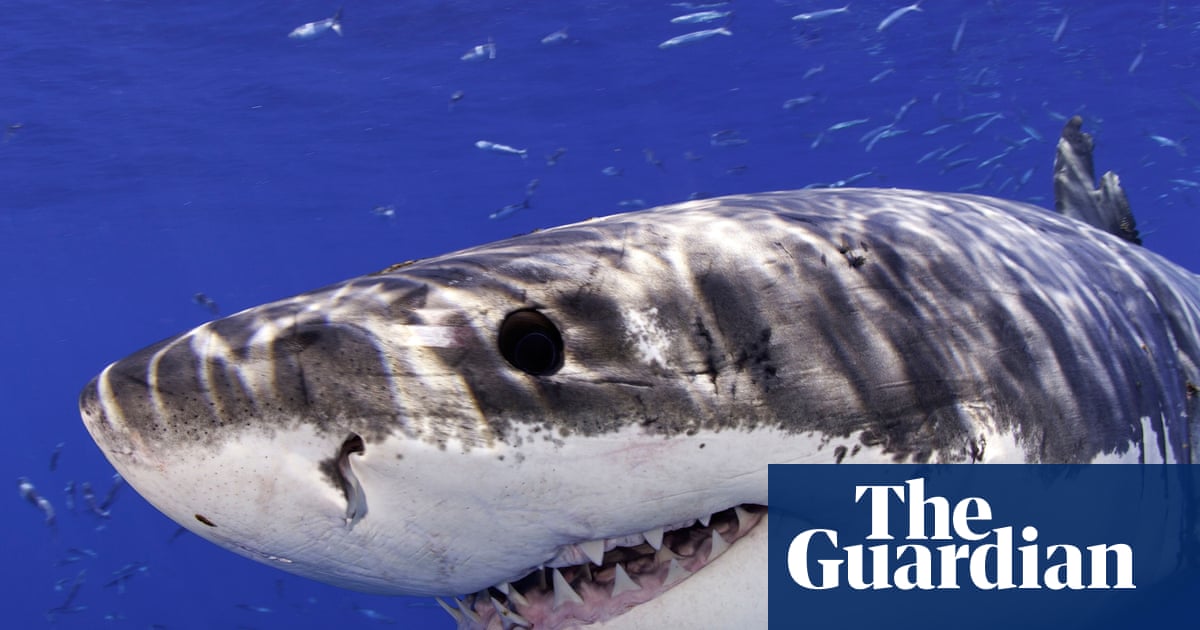
A great white shark launched several feet into the air off the coast of Marina State Beach this weekend, creating a startling backdrop for visitors posing for photographs. The incident was captured on video by a group of friends, with footage showing the predator emerging from the water in the background while people stood on the shore. California State Parks officials independently verified that a shark matching the physical characteristics of a great white breached near the location at the time the videos were recorded.
In response to the sighting, state authorities issued posted shark notices at the beach, adhering to standard departmental protocols for such events. Officials used the statement to remind the public that interactions between humans and sharks remain rare occurrences. They also highlighted the ecological significance of these animals, noting that sharks are an essential component of the coastal environment rather than inherent threats to beachgoers.
The timing of the breach corresponds with established seasonal patterns for great white sharks in the region. These predators frequently visit Monterey Bay waters, often traveling to offshore areas near Hawaii before returning to California’s coastline during late summer and early autumn. The Central Coast serves as a crucial habitat for these animals, providing necessary resources as they hunt fish and marine mammals, including seals.
Recent years have seen an uptick in great white shark sightings along various parts of the West Coast. Experts suggest that changing ocean conditions, driven by broader climate shifts, may be influencing their migratory behaviors. El Niño events, which can cause marine heatwaves and elevate ocean temperatures above normal levels, have the potential to disrupt established marine ecosystems.
Such thermal changes can prompt cold-water species like great white sharks to adjust their movements. They may shift northward or retreat into deeper waters in search of cooler temperatures more suitable for their survival. This behavioral adaptation reflects the sensitivity of apex predators to environmental fluctuations and highlights how climate variability can alter local wildlife distributions.
Despite their imposing presence, great white sharks are classified as vulnerable by the International Union for Conservation of Nature. These large predators can reach lengths of up to 20 feet and weigh as much as 4,000 pounds. As keystone species, they play a vital role in maintaining healthy marine ecosystems by regulating prey populations, redistributing nutrients, and helping to limit disease spread through the consumption of sick or injured animals.
The conservation status of great whites stands in contrast to their historical portrayal in popular culture. Films and media have long depicted them as man-eating threats, a narrative that has hindered conservation efforts. In reality, the species suffered steep population declines throughout the 20th century, with some regions experiencing losses exceeding 90 percent.
Multiple factors continue to threaten the survival of great white sharks today. Recreational and commercial fishing activities, accidental by-catch, illegal poaching, trafficking, habitat degradation, and the ongoing climate crisis all pose significant challenges. Protecting these apex predators is essential not only for their own survival but also for the overall health and balance of marine ecosystems along the California coast.
The recent breach at Marina State Beach serves as a visible reminder of the dynamic nature of coastal wildlife. While such events capture public attention, they also offer opportunities to educate communities about the importance of preserving vulnerable species. Understanding the ecological roles of sharks and the impacts of environmental change can foster greater appreciation for the complex systems that sustain marine life.
Sources behind this briefing
Go to the original reporting
- The Guardian World↗Great white shark leaps from water and photobombs California beachgoers