The short version
- Targeted curfews in Paris and other major cities have led to a calmer night following days of widespread disorder.
- A suspect linked to far-left movements was arrested after a historic city hall in Limoges was gutted by fire.
- The government faces pressure as Interior Minister Laurent Nuñez admits police lost control in some areas, though President Macron rejected his resignation.
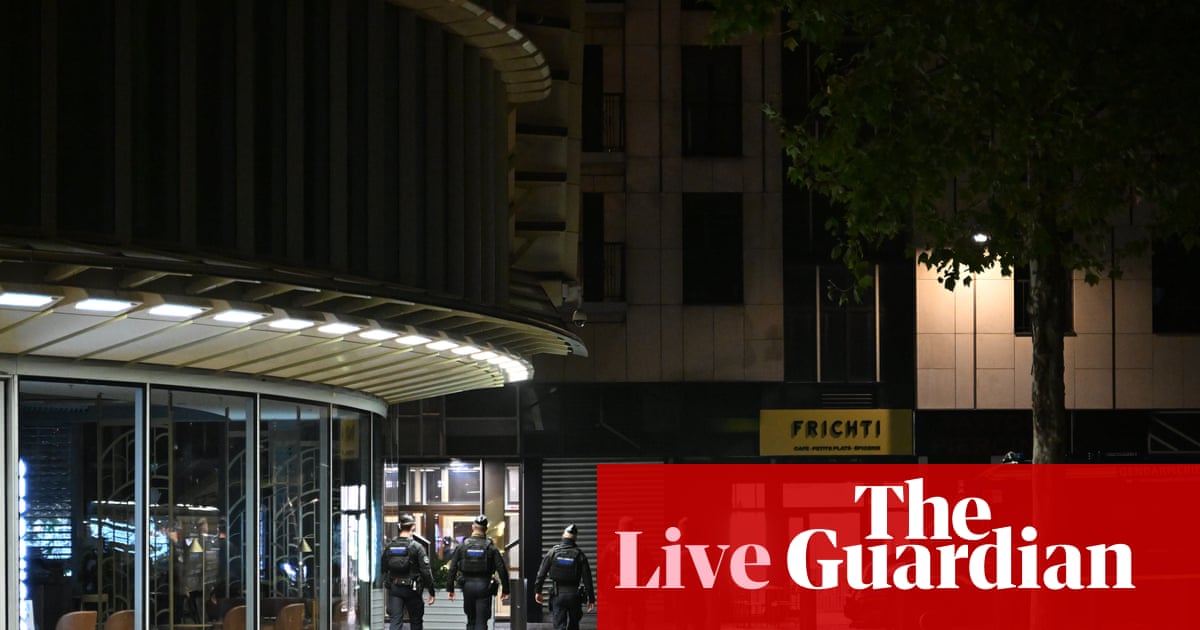
French authorities have introduced targeted curfews across several major cities in an effort to contain widespread disorder that began as student protests and escalated into violent clashes. Prime Minister Sébastien Lecornu reported that the measures contributed to a quiet night on Monday, marking a potential de-escalation after days of unrest. The curfews were implemented in parts of central Paris, including the Place de la République and the Les Halles shopping area, which had been focal points for demonstrators over the weekend. Similar restrictions limiting gatherings and movement for young people were enforced in Marseille, Bordeaux, Nice, Lyon, and Lille.
The unrest has resulted in significant damage to public infrastructure and numerous injuries. A 19th-century city hall in the central city of Limoges was gutted by fire on Saturday, with its clock tower and parts of the roof collapsing. French media report that a 40-year-old suspect linked to a far-left movement has been arrested in connection with the blaze. The individual is classified as an "S" subject, indicating he is considered a potential threat to national security due to a history of violence against public officials.
The scale of the disorder has prompted a severe response from the French government. Justice Minister Gérald Darmanin stated that more than 120 people have already been imprisoned and urged prosecutors to be "extremely firm" and "ruthless" toward those who attacked police, gendarmes, and firefighters, or who looted shops and damaged public buildings. Officials reported that more than 2,500 people have been arrested since the disorder began. The violence has taken a heavy toll on law enforcement, with approximately 1,000 police officers injured. In one incident, a demonstrator lost a hand after being struck by a police crowd-control grenade.
The protests initially started last month with students demanding better conditions in schools. However, the demonstrations have broadened to include grievances over rising fuel prices, the cost of living, and deteriorating public services. Trade unions have bolstered the numbers of demonstrators, turning what began as specific educational concerns into a wider social crisis. The escalation has drawn sharp criticism from opposition politicians regarding the authorities' preparedness for the scale of the unrest.
Interior Minister Laurent Nuñez admitted that police had "lost control" in some cities during the peak of the disorder. Facing intense political pressure, Nuñez offered his resignation on Monday. President Emmanuel Macron rejected the offer, maintaining support for the interior minister despite the criticism. Macron has vowed to hold accountable those he believes sought to bring down the Republic, framing the government's response as a defense of national stability.
The question of whether to impose a state of emergency remains a point of contention within the government. Justice Minister Darmanin insisted that such a measure is unnecessary, arguing it would deprive all French citizens of their individual freedoms. However, Prime Minister Lecornu stated earlier that he had not ruled out imposing a state of emergency if conditions warranted it. Decisions on further curfews for Tuesday night will be made on the ground by regional authorities and local mayors, depending on where restrictions are deemed necessary.
While the immediate violence appears to have subsided following the implementation of curfews, the underlying issues driving the protests remain unresolved. The government faces the challenge of addressing the broader concerns regarding public services and economic pressures while maintaining order. The arrest of the suspect in Limoges and the imprisonment of dozens of others signal a hardline approach to the violence, but the political fallout from the disorder continues to unfold.
The situation highlights the fragility of social cohesion in France as economic anxieties intersect with institutional distrust. With thousands arrested and significant property damage reported, the aftermath of these protests will likely influence French politics for months to come. The government's ability to restore normalcy without further alienating the public will depend on how it balances security measures with the legitimate grievances expressed by students and unions.
International attention has also focused on related diplomatic developments, though the domestic crisis remains the primary concern for French leadership. As the country navigates this period of heightened tension, the effectiveness of the targeted curfews and the judicial response to the violence will be closely watched. The coming days will determine whether the unrest continues to simmer or if the government's firm stance has successfully contained the disorder.
The incident in Limoges serves as a stark reminder of the potential for localized protests to escalate into significant threats to public safety and heritage. The classification of the suspect as a national security threat underscores the severity with which the state is viewing the violence. As France moves forward, the balance between civil liberties and public order will remain at the center of political debate.
Sources behind this briefing
Go to the original reporting
- The Guardian World↗French cities ‘calm overnight’ after targeted curfews, prime minister says – Europe live
- BBC World↗Suspect arrested after historic town hall set alight during disorder - French media
- NPR↗France's Macron vows to hold accountable those who 'sought to bring down the Republic'