The short version
- Google successfully launched the Project Suncatcher prototype satellite into orbit via a SpaceX rocket.
- The mission aims to test the feasibility of operating AI data centers in space to address energy and cooling challenges.
- The launch occurred as part of a larger payload deployment that included 129 other satellites.
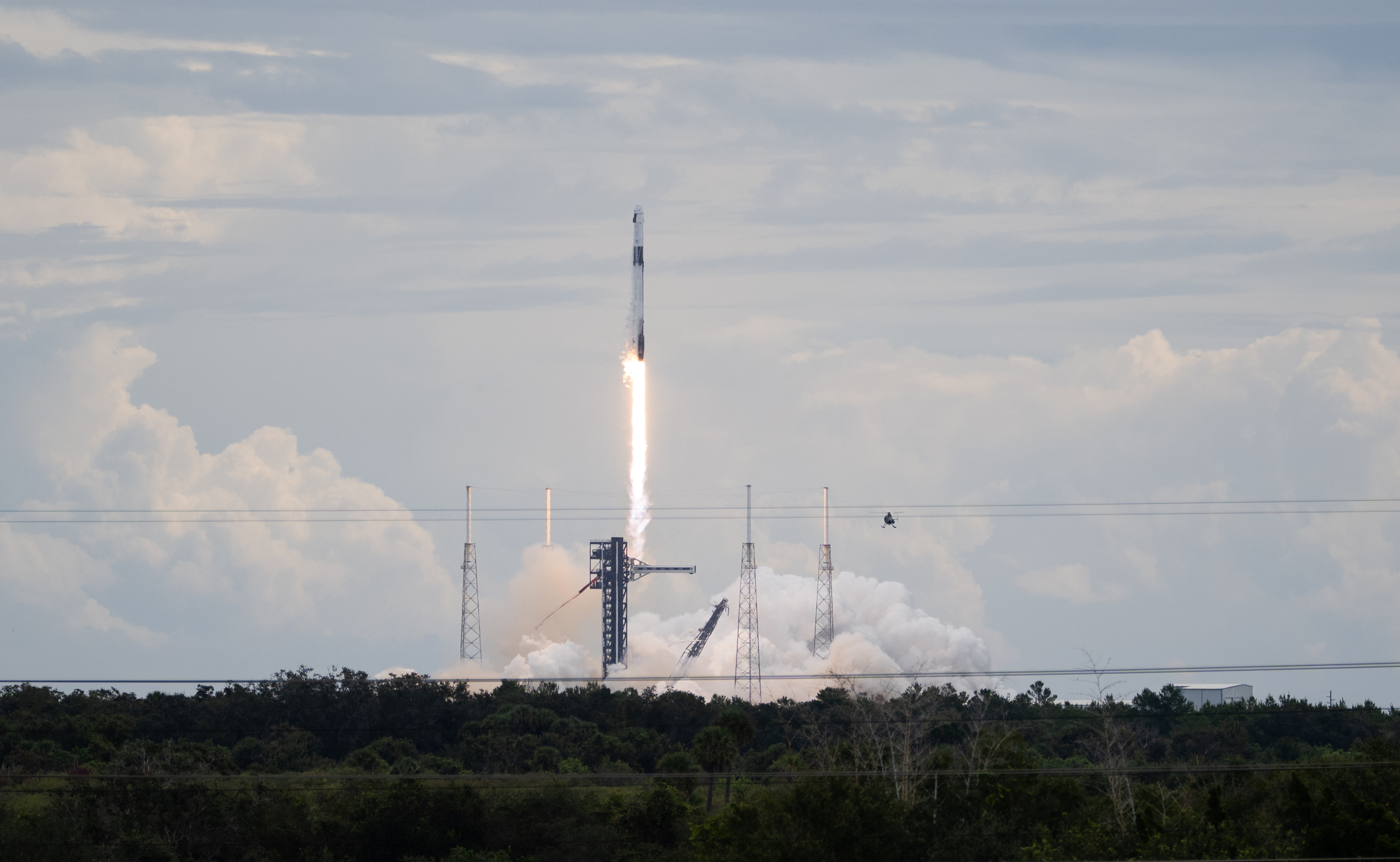
On October 1, 2026, Google confirmed that its Project Suncatcher prototype satellite has successfully reached orbit. The launch represents a tangible step in the company’s long-term strategy to explore space-based infrastructure for artificial intelligence workloads. By moving computational resources beyond Earth's atmosphere, Google aims to address some of the most pressing physical limitations currently facing terrestrial data centers, particularly regarding energy consumption and thermal management.
The satellite was deployed aboard a SpaceX rocket, which served as the launch vehicle for this specific mission. According to reporting from Space, the Project Suncatcher payload was not traveling alone; it was part of a substantial deployment that included 129 other payloads. This launch constituted the second leg of what was described as a spaceflight tripleheader, indicating a complex logistical operation managed by SpaceX to deliver multiple clients to their respective orbital destinations simultaneously.
Google’s official communication regarding the event emphasized the successful arrival of the prototype in orbit. The company framed the achievement as a milestone in its broader research and development efforts. By placing AI chips and associated hardware in space, Google is testing whether the unique environment of low Earth orbit can offer advantages over ground-based facilities. These potential benefits include access to abundant solar energy and the ability to dissipate heat more efficiently in the vacuum of space.
Industry observers note that this launch is part of a growing trend among major technology firms to look beyond traditional infrastructure models. CNBC reported on the push toward space-based data centers, highlighting how Google is leveraging orbital mechanics to potentially reduce the environmental footprint of its AI operations. The intense energy demands of training and running large language models have strained power grids in many regions, prompting engineers to seek alternative solutions that do not rely solely on terrestrial fossil fuels or limited renewable capacity.
Scientific American characterized the event as an official test for Google’s AI data center concepts. The publication noted that the satellite carries experimental hardware designed to operate under the harsh conditions of space, including radiation exposure and extreme temperature fluctuations. Success in this initial phase would provide critical data on the reliability and performance of AI processors when removed from Earth's protective atmosphere and gravitational field.
NPR described the launch as a step toward realizing the vision of AI data centers in space. The narrative surrounding Project Suncatcher suggests that Google is not merely conducting a theoretical exercise but is actively building and deploying hardware to validate its engineering assumptions. The prototype serves as a proof-of-concept, allowing engineers to gather real-world telemetry on power usage, cooling efficiency, and computational throughput in an orbital environment.
The implications of this launch extend beyond Google’s internal operations. If space-based data centers prove viable, they could reshape the global landscape of cloud computing and AI deployment. However, significant challenges remain, including the high cost of launching heavy payloads into orbit and the complexity of maintaining hardware that cannot be easily repaired by human technicians. The success of Project Suncatcher will depend on whether the operational benefits outweigh these logistical and financial hurdles.
Public interest in this development has been notable, with coverage appearing across various technology and science platforms. The trend evidence indicates that enthusiasts and professionals are closely watching how major tech companies are adapting to the physical constraints of AI growth. This launch provides a concrete data point for discussions about the future of sustainable computing and the expansion of human technological infrastructure into space.
What remains unresolved is the long-term viability of this approach. While the satellite has reached orbit, the true test will be its operational performance over time. Google must demonstrate that the system can maintain stability, deliver expected computational results, and manage heat dissipation effectively without ground intervention. The data collected from this prototype will inform future decisions about whether to scale up these efforts or pivot toward different technological solutions.
The launch of Project Suncatcher underscores a shift in how technology giants are approaching infrastructure challenges. By venturing into space, Google is exploring new frontiers for AI development, driven by the urgent need for sustainable and scalable computing power. As the satellite begins its mission, the tech industry will be watching closely to see if this orbital experiment yields practical benefits that can be replicated on a larger scale.
Sources behind this briefing
Go to the original reporting
- NPR↗Google launches Project Suncatcher, a step towards AI data centers in space
- blog.google↗Our Project Suncatcher prototype satellite is in orbit.
- Scientific American↗Google’s Project Suncatcher AI data center test has officially launched to space onboard SpaceX rocket
- CNBC↗SpaceX launches Google AI chips into orbit in push toward space-based data centers