The short version
- Gloria Steinem, a foundational figure in the American feminist movement, has died at the age of 92, leaving behind a legacy that includes founding Ms. Magazine and advocating for women's rights globally.
- Tributes from cultural figures such as Margaret Atwood, Dua Lipa, and Lynda Carter highlight her role in normalizing female ambition and dismantling stereotypes associated with second-wave feminism.
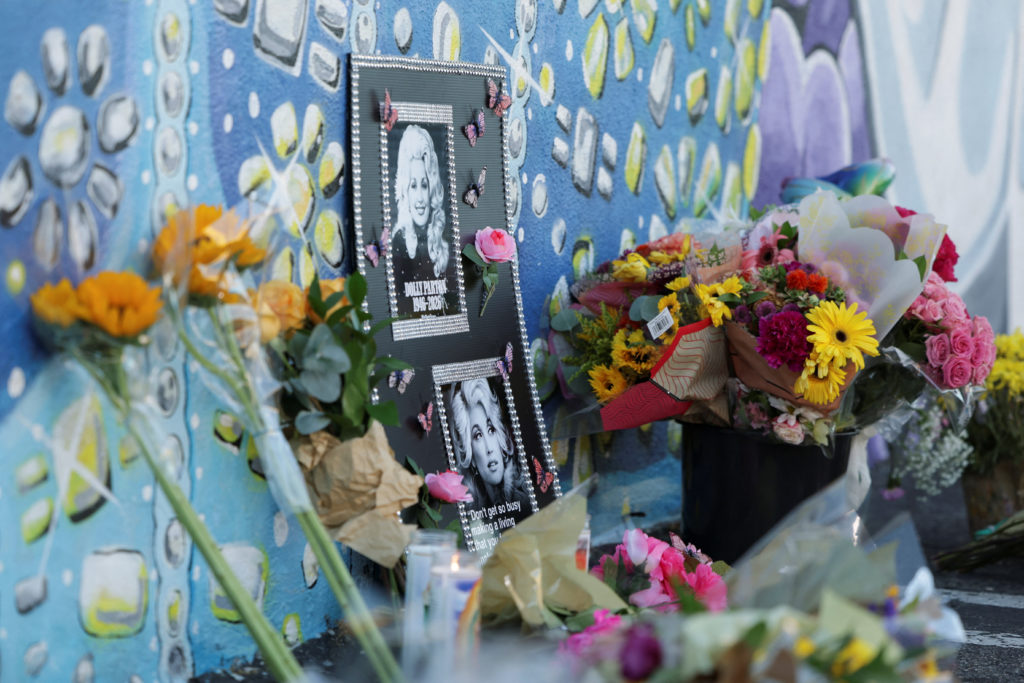
- Her death follows closely after that of Dolly Parton, leading to widespread reflection on how both women, despite different approaches, championed women's autonomy and self-determination.
Gloria Steinem, the journalist, activist, and co-founder of Ms. Magazine who became one of the most recognizable faces of the American feminist movement, has died at the age of 92. Her passing marks the end of an era for advocates of women's rights, who have spent decades crediting her with bringing feminist discourse into the mainstream. Steinem’s career spanned more than half a century, during which she worked to dismantle systemic barriers facing women in politics, media, and the workplace.
Steinem rose to prominence in the late 1960s and early 1970s through her investigative reporting and public speaking. She famously went undercover as a Playboy bunny to expose the working conditions of the dancers, an act that drew national attention to issues of gender exploitation. Later, she co-founded Ms. Magazine in 1972, creating a dedicated platform for feminist voices at a time when mainstream media often marginalized women’s perspectives. The publication became a cornerstone of second-wave feminism, offering analysis on reproductive rights, equal pay, and political representation.
In the wake of her death, tributes have poured in from across the cultural spectrum. Author Margaret Atwood described Steinem as a "northern star" who gave her license to have unbridled confidence. Atwood noted that Steinem nullified the negative stereotypes often attached to feminism, such as bra-burning, and instead presented a public face of grace and determination. Singer Dua Lipa credited Steinem with paving the way for women to be funny and unapologetic in their careers, stating that she owed much of her own success to the path Steinem cleared.
Lynda Carter, best known for her role as Wonder Woman, recalled meeting Steinem at a Ms. Magazine party where she also encountered Dolly Parton. Carter described Steinem as a "Wonder Woman" in her own right, praising her ability to withstand criticism and advocate for women globally. The actress emphasized that Steinem’s work extended beyond high-profile campaigns; she was known for intervening in personal cases and supporting individuals who faced injustice, demonstrating a commitment to justice that transcended public relations.
Steinem’s death comes just eight days after the passing of country music icon Dolly Parton, leading many to reflect on the complementary ways both women advanced women’s empowerment. While Steinem was overtly political and focused on structural change, Parton rejected the label of feminist but used her platform to uplift working-class women and rural communities. In 1987, Steinem named Parton one of Ms. Magazine’s "Women of the Year," arguing that Parton’s success in transforming femininity into a source of power was inherently feminist. Many observers now see their deaths as a double loss for the movement, representing two distinct but aligned visions of female autonomy.
Activists and scholars have emphasized Steinem’s role in expanding the definition of feminism to include intersectional concerns. She worked tirelessly to ensure that the movement addressed the needs of women of color, LGBTQ+ individuals, and those from lower socioeconomic backgrounds. Her advocacy extended beyond the United States, as she campaigned for women’s rights in countries facing authoritarian regimes and cultural restrictions. Colleagues noted her willingness to engage with difficult topics and her ability to build coalitions across ideological divides.
The impact of Steinem’s work is evident in the current generation of feminists who cite her as an inspiration. Young activists have taken to social media to share stories of how her writings and speeches influenced their own lives. Many expressed gratitude for her example of resilience, noting that she faced significant backlash throughout her career but remained steadfast in her convictions. Her ability to connect with diverse audiences helped sustain the momentum of the feminist movement during periods of political resistance.
As the world mourns Steinem’s passing, questions remain about how her legacy will be preserved and built upon. Organizations she supported continue to advocate for gender equality, but the changing political landscape presents new challenges. The next generation of leaders faces issues such as digital harassment, global climate justice, and evolving definitions of identity that were not central to the movement in Steinem’s early years. Nevertheless, her emphasis on solidarity and self-determination remains relevant.
Steinem’s life was marked by a relentless pursuit of justice and a belief in the power of collective action. She never claimed perfection, often acknowledging her mistakes and learning from them. This humility resonated with many who saw her not just as a leader but as a fellow traveler on the path to equality. Her death leaves a void in the feminist community, but her work continues to inspire those fighting for a more equitable world.
Sources behind this briefing
Go to the original reporting
- PBS NewsHour↗For feminists, the deaths of Parton and Steinem days apart deliver a double dose of grief
- The Guardian US↗‘I’m amazed a human being could do so much’: Gloria Steinem celebrated by Margaret Atwood, Dua Lipa, Lynda Carter and more
- pbs.org↗Feminist icon Gloria Steinem dies at 92
- 19thnews.org↗When Gloria Steinem spoke, the world listened