The short version
- Major automakers in Georgia are increasing hybrid vehicle production while scaling back exclusive electric vehicle manufacturing due to changed federal policies.
- The removal of tax credits and new tariffs on components have destabilized the economic outlook for clean energy projects that previously attracted billions in investment.
- Despite significant cancellations, nearly $74 billion in manufacturing investment remains active, though questions persist about local consumer adoption and state-level support.
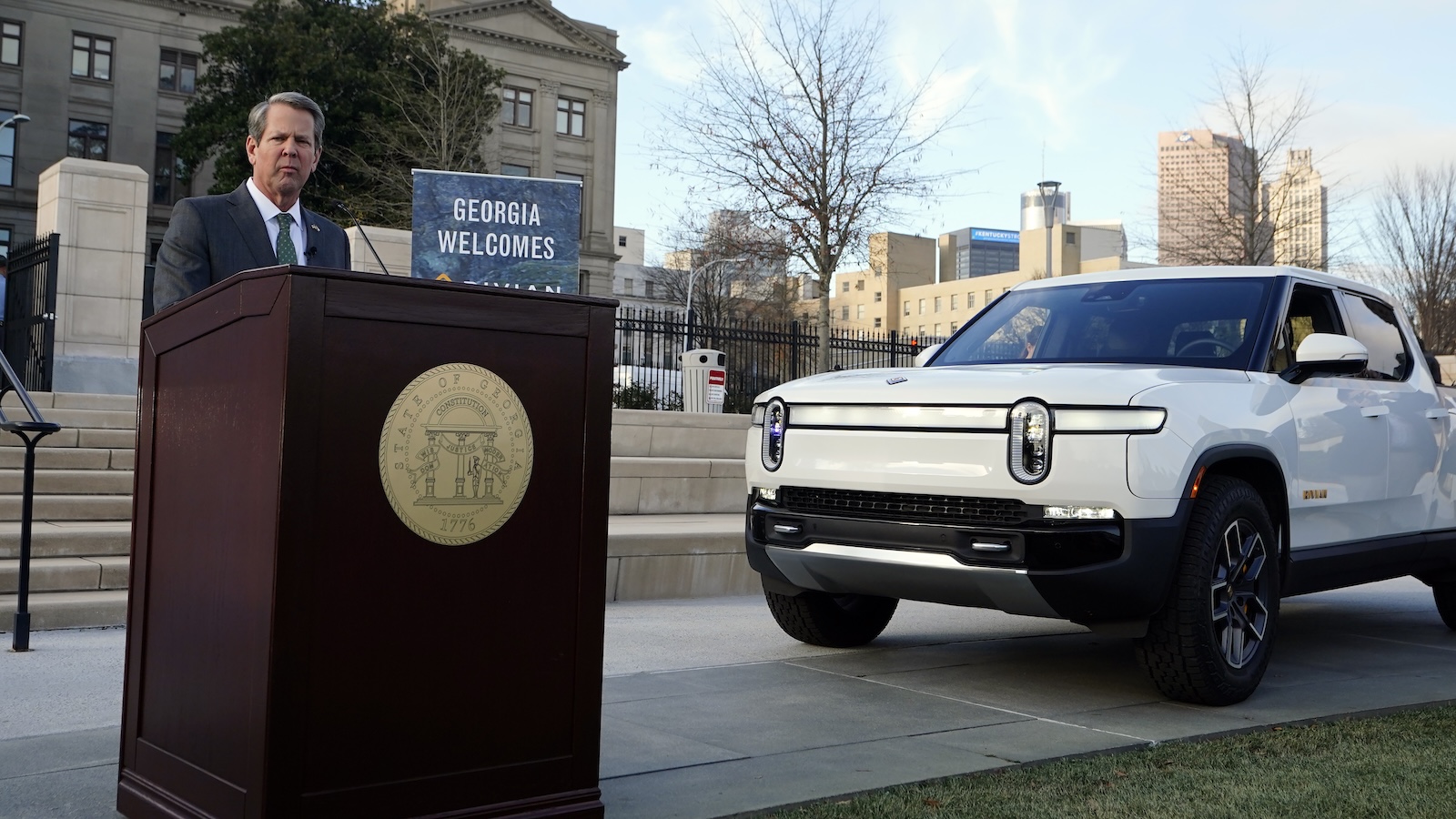
The trajectory of Georgia’s automotive industry has shifted sharply over the past eighteen months, moving away from an exclusive focus on electric vehicles toward a more flexible mix that includes hybrids and gas-powered models. This pivot reflects broader changes in federal policy under the second Trump administration, which have dismantled key financial supports for clean energy manufacturing. The state had previously positioned itself as a premier destination for EV production, leveraging tax breaks and workforce training programs to attract major manufacturers. That strategy yielded significant results, with Hyundai establishing a dedicated EV plant near Savannah, Kia beginning EV production in West Point, and Rivian breaking ground on a facility near Atlanta.
However, the economic environment supporting these projects has deteriorated rapidly. The federal government has eliminated EV tax credits, imposed tariffs on battery packs and charging hardware, and relaxed emissions standards for internal combustion engines. Additionally, the administration ended initiatives to electrify government vehicle fleets. These policy reversals have created uncertainty for companies that had committed billions of dollars based on previous regulatory frameworks. The instability was further exacerbated by a federal immigration raid at an EV battery plant last year, which resulted in the arrest of hundreds of workers, many of whom were South Korean specialists essential to launching new operations.
In response to these headwinds, manufacturers are adapting their production strategies to align with current consumer demand and regulatory realities. At Kia’s West Point facility, the assembly line has been reconfigured to operate more like a custom workshop than a traditional mass-production system. The plant now produces vehicles with varying specifications, including different powertrains, colors, and trims, allowing for greater flexibility. Factory leadership indicates that this approach enables them to prioritize hybrids, which are currently seeing stronger sales figures compared to fully electric models. This shift is described as a move toward a middle-ground option while the market adjusts to higher prices and limited charging infrastructure.
Hyundai has made similar adjustments at its Savannah plant, adding hybrid production to a facility originally designed exclusively for electric vehicles. Industry analysts describe the current period as messy but manageable, noting that manufacturers are actively recalibrating their operations. The transition is not just about vehicle types; it also involves supply chain and component strategies. Battery manufacturers across the state are diversifying their output, shifting some capacity from automotive batteries to energy storage systems for the electrical grid. This diversification helps mitigate risks associated with fluctuations in EV demand.
Despite the adjustments, the overall investment landscape remains mixed. While more than $4 billion in planned investments have been canceled or scaled back across the Southeast in the last year, nearly $74 billion in manufacturing projects continue to move forward. Georgia still leads the region in EV and battery manufacturing capacity, but growth has stalled in some areas. Layoffs at SK Battery earlier this year highlight the challenges facing the sector. The state’s economic development efforts have successfully attracted major players, but the sustainability of these investments depends on how well companies can navigate the new policy environment.
A critical question remains regarding local adoption of the vehicles being produced in Georgia. Unlike some other states, Georgia does not offer incentives to encourage residents to purchase electric vehicles. Instead, the state imposes an additional registration fee intended to offset revenue lost from declining gas tax collections. This policy stance creates a disconnect between manufacturing output and consumer support. Industry observers note that while private investment continues, including charging infrastructure development through consortiums like IONNA, the political landscape surrounding EVs in Georgia remains unclear and potentially hostile to widespread adoption.
The long-term implications of these shifts are still unfolding. Manufacturers argue that electric vehicles remain part of the future, but the path to that future has become more complex. The removal of federal incentives has fundamentally altered the market dynamics, forcing companies to prioritize immediate profitability over long-term environmental goals. As hybrids gain prominence in production lines, the state’s reputation as a clean energy hub may evolve into a broader automotive manufacturing center. The success of this transition will depend on whether manufacturers can maintain investment levels and whether consumers will embrace the vehicles being built, despite the lack of supportive state policies.
Looking ahead, the industry faces continued uncertainty regarding federal regulations and trade policies. Tariffs on components could increase production costs, while the absence of tax credits may dampen consumer enthusiasm for electric models. However, the flexibility demonstrated by companies like Kia and Hyundai suggests resilience in the face of adversity. The state’s commitment to attracting manufacturing investment remains strong, even if the specific focus has broadened beyond pure EVs. As the market stabilizes, Georgia’s role in the national automotive landscape will likely be defined by its ability to adapt to changing political and economic conditions.
Sources behind this briefing
Go to the original reporting
- Grist↗Georgia bet big on EV manufacturing. Trump pulled the plug.