The short version
- The G20 foreign ministers in Atlanta failed to reach agreement on critical security issues, resulting in the cancellation of a joint communique.
- Deep disagreements persist regarding Russia’s war in Ukraine, potential U.S. military action in Iran, and escalating global trade tensions.
- Secretary of State Marco Rubio characterized early talks as productive despite the lack of consensus, focusing instead on supply chain stability with key allies.
Top diplomats from the Group of 20 largest economies concluded two days of negotiations in Atlanta without achieving consensus on several pressing global security matters. The failure to align positions means the group will not issue a traditional joint communique. Instead, U.S. Secretary of State Marco Rubio is scheduled to release a chairman’s statement that summarizes the discussions held during the session. This outcome reflects significant underlying fractures among member nations, particularly concerning the ongoing conflict in Ukraine and broader geopolitical instability.
The absence of a unified declaration was anticipated by many participants due to the profound differences separating attendees. These divisions encompass Russia’s military campaign against Ukraine, the escalating tensions between the United States and Iran, controversial U.S. tariff policies, and China’s assertive maneuvers in the South China Sea. Collectively, these disputes have contributed to rising global fuel costs and heightened uncertainty regarding international trade flows. Diplomats involved in the private sessions noted that while all parties agreed to attempt bridging these gaps, the odds of success were long given the entrenched nature of the disagreements.
Tensions surfaced visibly during the opening ceremonies when European diplomats objected to the inclusion of Russian Foreign Minister Sergey Lavrov in a traditional group photograph. Fears of a boycott or walkout led organizers to cancel the photo opportunity entirely. This incident underscored the diplomatic sensitivity surrounding Russia’s presence at the table, especially given Moscow’s unyielding stance on Ukraine and its opposition to Poland’s participation as a guest nation. Polish Foreign Minister Radosław Sikorski expressed little surprise at the lack of consensus, noting that having active participants in ongoing wars seated together makes agreeing on a common line exceptionally difficult.
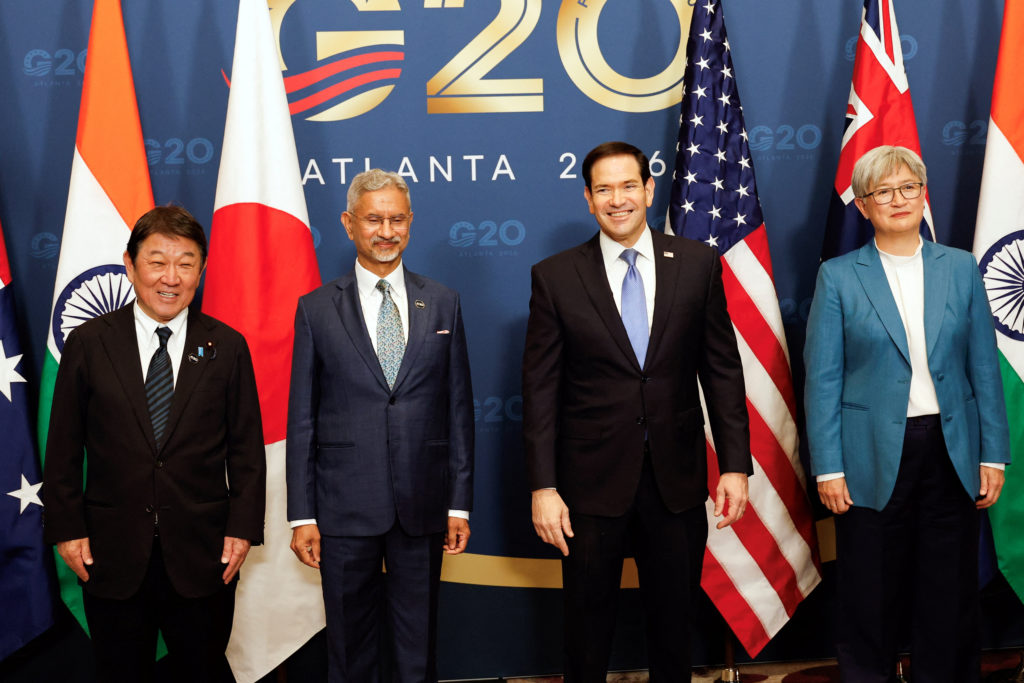
Despite the overall failure to reach agreement, Rubio described the first day of proceedings as very productive. He emphasized efforts to map out a dynamic economic future for the world and hosted separate talks with counterparts from Australia, India, and Japan. These discussions focused on supply chain resilience and freedom of navigation in critical waterways, including the Strait of Hormuz, the Red Sea, the Black Sea, and the South China Sea. This bilateral engagement suggests an attempt to isolate areas of cooperation amidst broader multilateral deadlock.
The meeting occurred against a backdrop of shifting U.S. foreign policy dynamics. Prior to the talks, some G20 nations expressed concern about the invitation extended to Russia during its intensified attacks on Ukraine. These concerns were amplified by President Donald Trump’s recent decision to waive new sanctions on Moscow and temporarily limit logistical and intelligence support for Kyiv. However, the State Department announced Friday that it had approved a proposed $2.1 billion sale of Patriot air defense interceptors to Ukraine, signaling continued military support despite diplomatic complexities.
Lavrov reiterated Moscow’s position that it would not permit any situation where Ukraine poses a military threat to Russia’s legitimate security interests. His presence in Atlanta is notable given his infrequent travel to NATO member states since the invasion began in February 2022 and the subsequent imposition of severe sanctions. It remains unclear whether Russian President Vladimir Putin will accept Trump’s invitation to attend the upcoming G20 leaders’ summit scheduled for December at a golf club in Miami.
Another major source of anxiety hanging over the meeting was the prospect of renewed U.S. military intervention in Iran. This possibility has placed regional allies, including G20 member Saudi Arabia, on edge. Rubio met with Saudi Foreign Minister Prince Faisal bin Farhan and Turkish Foreign Minister Hakan Fidan, whose country plays a key mediating role. Reports indicate that U.S. officials have advised several Middle Eastern countries and regional partners to prepare for potential military strikes against Iran following the recent elections and amid fears of Iranian retaliation.
Looking ahead, participants aim to use these discussions to lay groundwork for next month’s summit hosted by President Trump in Florida. While the current meeting ended without a unified voice on security issues, diplomats emphasized the importance of maintaining dialogue despite deep ideological divides. The chairman’s statement will serve as the official record of the Atlanta gathering, reflecting both the challenges and the limited progress made in navigating a fractured global landscape.
Sources behind this briefing
Go to the original reporting
- PBS NewsHour↗G20 foreign ministers in Atlanta meeting head to an ending without consensus on key issues