The short version
- Protests in France over underfunded schools and high costs signal broader discontent with fiscal policy that Australian experts view as a warning.
- While Australia’s debt levels remain lower than France’s, the trajectory of rising public spending and growing voter demands for intervention presents long-term risks.
- Experts argue that an honest national conversation is needed to align government capabilities with citizen expectations before fiscal flexibility diminishes.
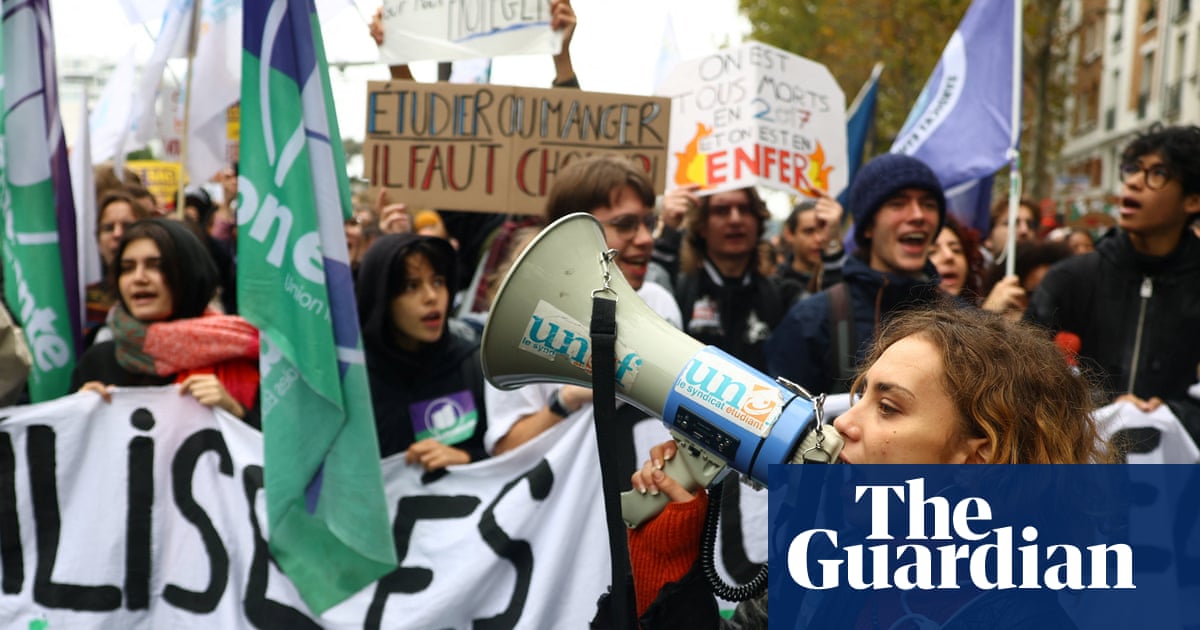
Massive protests sweeping through French cities have drawn attention beyond Europe, serving as a stark illustration of the tensions between public demand for services and fiscal reality. Hundreds of thousands of demonstrators took to the streets this weekend, expressing frustration over underfunded schools, inadequate teacher staffing, and crumbling infrastructure. These specific grievances are intertwined with broader anger regarding the cost of living, creating a volatile mix that economists in Australia say warrants serious consideration.
The unrest in France is not an isolated incident but part of a wider pattern of discontent across developed nations where households are struggling with affordability. While the scale of economic challenges varies by country, the underlying grievances share common threads. Luke Hartigan, a senior economics lecturer at the University of Sydney, noted that there is no single cause for the turmoil in France, but soaring energy costs have played a significant role in exacerbating public anger.
Energy prices in France have surged by 36 percent this year, a rate three times higher than the increase seen in Australia. This spike is partly driven by geopolitical tensions, including the conflict involving Israel and Iran, which has sent European gas prices soaring as winter approaches. However, Hartigan emphasized that energy costs are only part of the equation. More fundamental to France’s crisis is the strain on its finances caused by a generous welfare state that is increasingly difficult to sustain.
France faces a binary dilemma where citizens demand better services and relief from living costs while the country’s fiscal position deteriorates. The nation has not balanced its budget since 1974, and total public debt now stands at nearly 120 percent of GDP, according to International Monetary Fund data. This high level of debt, combined with a stagnant economy and universal social security benefits, has created an environment where political promises often clash with financial constraints.
In comparison, Australia’s public debt appears more manageable at 53 percent of GDP. However, this figure represents a significant increase from a decade ago when it was 40 percent, and from two decades prior when it was just under 10 percent. Hartigan warned that France’s economic struggles highlight the importance of boosting productivity in Australia to avoid similar pitfalls. The trajectory of French challenges provides a glimpse into potential future difficulties if current trends continue unchecked.
Bob Breunig, director of the ANU’s Tax and Transfer Policy Institute, pointed out a growing disconnect between voter expectations and political capacity. There is an increasing narrative that governments should solve all societal problems, a belief that is more pronounced in Europe but also present in Australia. French public spending now accounts for 58 percent of the economy, whereas Australia’s stands at 40 percent, the highest level outside the pandemic era since 1990.
Despite having more fiscal flexibility than France, Australia faces its own structural pressures. An aging population, the National Disability Insurance Scheme, higher interest rates, and increased defense spending are all straining the budget. Breunig noted that while the federal government can still borrow, there is a limit to this flexibility. The bond market’s reaction to France’s fiscal trajectory, with widening interest rate gaps compared to Germany, reflects growing alarm among investors.
The situation underscores the need for an honest public conversation about what the government can realistically deliver and at what cost. Breunig suggested that democracy involves making difficult decisions about spending and taxation. Whether these decisions involve cutting expenditures or raising taxes remains a matter of political debate, but avoiding them risks drifting toward the unmanageable debt levels seen in France.
President Emmanuel Macron’s decade in power has been marked by unsuccessful attempts to rein in spending, leaving many feeling uncertain about the path forward. For Australia, the lesson is clear: proactive management of public finances and realistic expectations are crucial to maintaining economic stability and social cohesion. Ignoring these signs could lead to similar unrest and fiscal distress in the future.
Sources behind this briefing
Go to the original reporting
- The Guardian World↗The chaos in France is a ‘warning signal’ for Australia’s public spending and rising costs