The short version
- High school students across France have resumed blockades and marches, rejecting recent government promises as inadequate responses to systemic issues in the education sector.
- The protests, which have resulted in hundreds of injuries among students, staff, and police, highlight deep tensions over teacher shortages, dilapidated facilities, and heavy workloads.
- Political figures are leveraging the unrest ahead of the presidential election, while public opinion remains divided between supporting student demands and calling for an end to the disruptions.
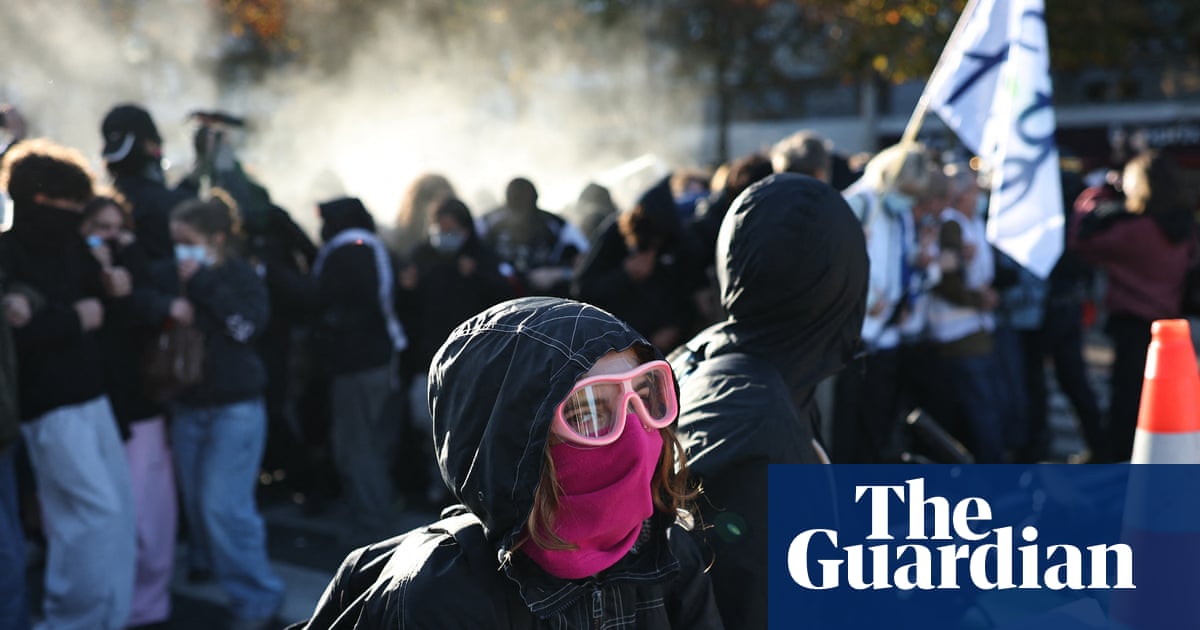
High school students across France have renewed their campaign of blockades and street demonstrations, signaling that recent government pledges to address educational grievances are insufficient. The movement, which has persisted for ten days, shows no signs of abating despite official assurances that concrete measures are being developed. Large crowds gathered in major cities including Lille, Rennes, Nantes, Lyon, Toulon, and Marseille on Thursday, with a significant procession moving through central Paris to the Place de la Bastille. While many demonstrations remained peaceful, the persistence of the protests underscores a deepening rift between the student body and state authorities.
The core of the dispute centers on chronic underinvestment in public education. Students and teachers have cited severe teacher shortages, overcrowded classrooms, deteriorating school infrastructure, and excessively long school days as primary drivers of the unrest. Union leaders and student representatives argue that verbal commitments from ministers do not translate into tangible improvements. Ryad Rani, president of a high school student union, stated that protesters have seen no actual response to their demands. Sabrine Kharbach, representing another association, emphasized that the movement will continue until a specific financial commitment is made, referencing a €10 billion investment figure that students and some left-wing politicians argue is urgently needed.
Government officials have attempted to de-escalate tensions by outlining immediate steps. Education Minister Édouard Geffray announced an emergency plan following meetings with students and teachers in Reims, focusing on replacing absent teachers on a long-term basis. He also indicated that heavy timetables and the controversial university application system are under review. Prime Minister Sébastien Lecornu has promised a fully funded response by the end of the month. However, these announcements have not quelled the anger on the ground. Students view these measures as reactive rather than transformative, insisting that without substantial financial injection, conditions will remain unchanged.
The scale of disruption remains significant, though slightly reduced compared to previous days. On Thursday morning, 224 high schools were forced to close, dropping to 157 by lunchtime. This means approximately 95% of the country’s high schools were at least partially open, according to the education ministry. Despite this partial reopening, several marches drew up to 5,000 participants. The protests are broadly supported by teachers, parents, and unions, who have called for another national day of action in support of students next Tuesday. This broad coalition suggests that the unrest extends beyond student grievances to encompass wider dissatisfaction with public service management.
Violence has marred the demonstrations, leading to a high number of injuries. Since the protests began, at least 215 teenagers, 89 school staff members, and 761 police officers have been injured. Clashes in Paris involved further confrontations, while riot officers in Rennes used water cannons to disperse protesters. Some demonstrators have set dustbins on fire, destroyed bus shelters, and hurled projectiles at police lines. In response, officers have used batons, teargas, and riot-control rounds. The government suspended the use of stun grenades after a teenager lost part of his hand, describing the incident as excessive but denying that police were ordered to confront young protesters aggressively.
Public opinion on the protests is sharply divided. A poll conducted by Elabe for BFM TV found that 72% of French people consider the students’ demands legitimate. However, 55% believe the protests should stop, reflecting a tension between sympathy for the cause and frustration with the disruption. This ambivalence complicates the government’s position, as it seeks to address valid concerns without appearing weak or capitulating to what some view as excessive tactics. The heavy-handed police response has become a prominent complaint among demonstrators, with banners in Paris reading, “Too young to be listened to, but old enough to be teargassed.”
The unrest occurs against a backdrop of significant economic and political pressure. The government is caught between popular demands for investment in deteriorating public services and market pressures to reduce France’s high budget deficit and debt levels, which are among the highest in the European Union. Economy Minister Roland Lescure indicated there is room to address school resource demands in the 2027 budget. The current draft budget includes a 1.4% funding increase for schools, raising it to €90.9 billion, making it the second-largest increase after defense. However, students argue this does not meet the urgent needs identified by unions and educators.
Political actors are already positioning themselves ahead of the presidential election scheduled six months away. Marine Le Pen, the far-right frontrunner, has highlighted the damage to schools and suggested parents should contribute to repair costs. In contrast, Jean-Luc Mélenchon, a hard-left opponent, praised the protesters as “incredible” and denounced police brutality. This polarization suggests the education crisis will remain a central theme in the upcoming political contest. As students vow to continue their campaign until concrete progress is achieved, the government faces the challenge of delivering meaningful reforms while maintaining fiscal discipline and public order.
The situation remains fluid, with unions preparing for further action and students refusing to back down. The combination of widespread dissatisfaction, significant injuries, and political opportunism creates a volatile environment. While the government has taken initial steps to address staffing and scheduling issues, the lack of immediate financial commitment keeps the protests alive. The coming weeks will likely see continued tension as both sides dig in, with the outcome potentially influencing not just education policy but the broader political landscape leading up to the presidential election.
Sources behind this briefing
Go to the original reporting
- The Guardian US↗French students vow to continue protests, saying ministers’ pledges not enough