The short version
- Students in Seine-Saint-Denis have barricaded schools to protest severe infrastructure decay and chronic teacher shortages that hinder their academic preparation.
- The demonstrations represent the largest youth mobilization in decades, drawing criticism of police tactics after reports of injuries and mass arrests during confrontations.
- While the government has promised immediate staffing reinforcements, unions and local officials argue that long-term funding solutions are necessary to address systemic neglect.
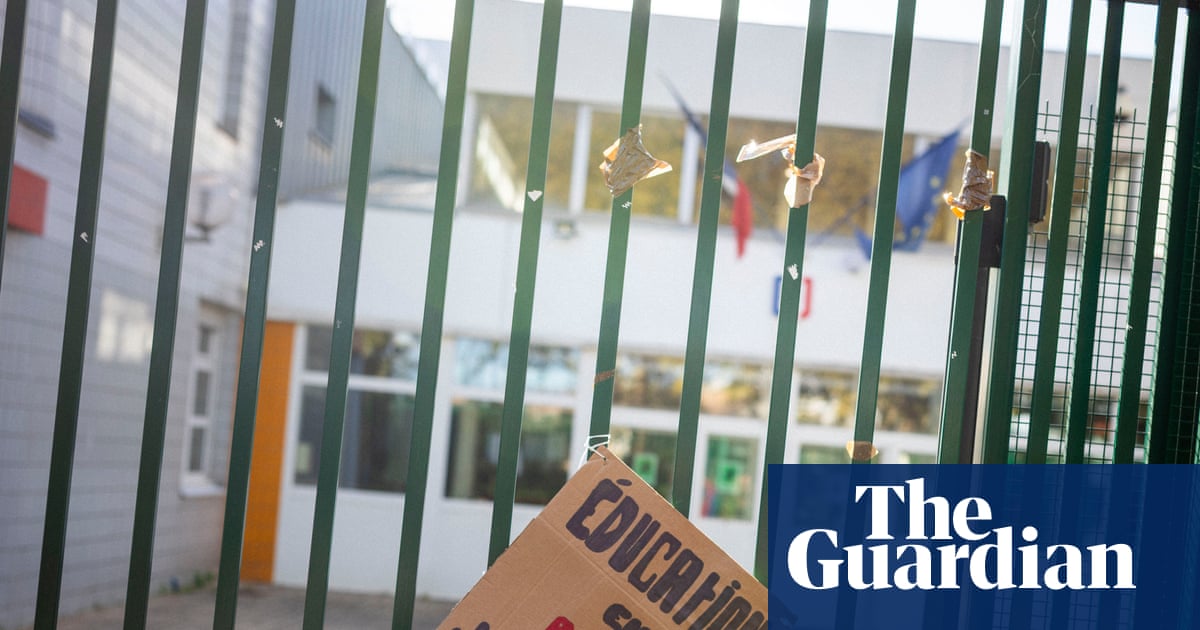
A significant wave of student protests has swept through France this week, marking the largest youth mobilization in decades. The demonstrations center on profound dissatisfaction with the state of public education, particularly in low-income suburban areas surrounding Paris. Students have occupied hundreds of schools, demanding urgent improvements to crumbling infrastructure and a resolution to persistent staffing gaps that they argue compromise their future prospects.
The epicenter of the unrest is Seine-Saint-Denis, a department northeast of Paris known for having one of the youngest populations and lowest average incomes in mainland France. At Lycée Blaise-Cendrars in Sevran, students have voted to extend their occupation into the coming week. They report that classrooms are severely overcrowded, often lacking sufficient chairs or desks, which forces some pupils to stand during lessons. The density of these classes reportedly prevents meaningful interaction with instructors.
Beyond spatial constraints, students describe environmental conditions that make learning nearly impossible. During recent heatwaves, temperatures in unshaded, windowless rooms allegedly reached levels that impaired cognitive function. Visual evidence collected by students includes images of broken furniture, holes in walls and ceilings, mold growth, and buckets placed to catch water leaks. Basic hygiene facilities are also reported as inadequate, with many toilets lacking doors, soap, or toilet paper.
Staffing instability remains a critical grievance. Students note that absent teachers are frequently not replaced for months at a time. In one instance cited by protesters, a class lacked a French instructor for several months leading up to the baccalaureate exams, preventing students from studying required texts. Another reported incident involved a substitute teacher arriving for an English-taught subject without speaking the language, further disrupting educational continuity.
The protests have drawn sharp criticism regarding law enforcement responses. Rights groups have raised alarms about alleged police brutality during the demonstrations. Reports indicate that hundreds of teenagers were arrested, with some sustaining serious injuries, including one student who lost the use of an eye and another who lost a hand. Protesters described chaotic scenes where mounted police charged gatherings outside schools, deploying tear gas in densely populated areas.
Political reactions to the unrest have been mixed but generally acknowledge the validity of the students' concerns. French Prime Minister Sébastien Lecornu stated that the teenagers had legitimate grievances. Local politicians in the affected regions have largely supported the demands for better school conditions. However, the education ministry’s response has focused on immediate staffing measures, promising to deploy 3,000 teachers to fill urgent vacancies.
Teachers’ unions have expressed skepticism regarding these short-term fixes, arguing that they do not address the root causes of the crisis. Union representatives emphasize the need for comprehensive long-term planning and increased funding to stabilize the workforce and repair infrastructure. The government has countered that fiscal constraints limit its ability to provide substantial new resources, creating a stalemate between immediate needs and budgetary realities.
The current unrest echoes historical tensions in the region. Seine-Saint-Denis was the starting point for widespread riots in 2005 following the death of two teenagers hiding from police. While the area co-hosted the 2024 Paris Olympics, which included various initiatives to combat inequality, residents argue that systemic discrimination and poverty remain largely unaddressed. The persistence of these issues suggests a deep mistrust between young people in the suburbs and state authorities.
Students emphasize that their goal is not luxury but basic dignity and educational equity. Many come from families with limited financial means, unable to supplement school resources with private tutoring or materials. As exam years approach, protesters face the dilemma of missing instruction while demanding better conditions. They have pledged to continue their actions until the government commits to concrete, sustainable improvements rather than temporary patches.
The situation remains fluid as students prepare to present their grievances directly to local mayors and education officials. The outcome of these negotiations will likely determine whether the protests de-escalate or expand further. With thousands of schools affected and national attention focused on the disparity between urban centers and disadvantaged suburbs, the crisis highlights enduring challenges in France’s social contract.
Sources behind this briefing
Go to the original reporting
- The Guardian US↗‘We’re not asking for luxury’: school protesters in Paris suburb feel abandoned by French state