The short version
- The Los Angeles Queens defeated the San Francisco Firebells to win the inaugural championship of the Women’s Pro Baseball League.
- The eight-week season was hosted entirely in Springfield, Illinois, bringing together athletes from twelve nations and four distinct franchises.
- Players balanced professional competition with academic responsibilities and part-time employment, highlighting the league's unique operational model.
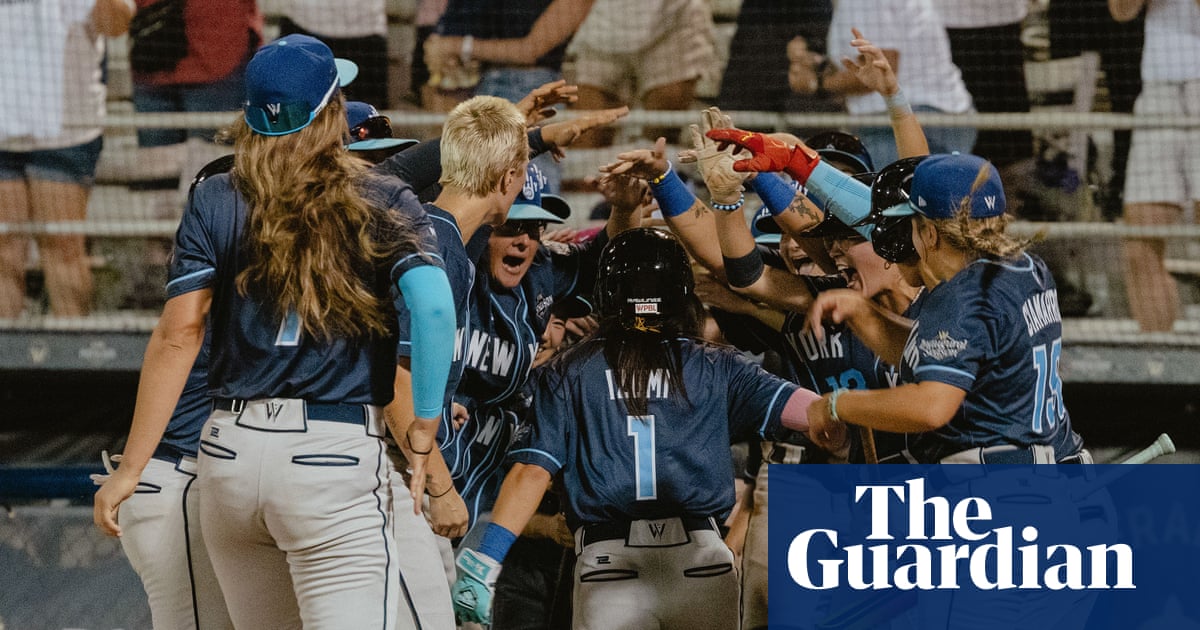
The Women’s Pro Baseball League has concluded its first season, establishing a new precedent in professional athletics by crowning a champion after an eight-week tournament. The Los Angeles Queens secured the title by defeating the San Francisco Firebells in the championship series, marking the end of a historic inaugural campaign. This league represents the first professional baseball organization for women in seven decades, filling a significant gap in the sports landscape that had existed since the dissolution of previous efforts.
Although the four participating teams—the New York Heights, Boston Hunters, San Francisco Firebells, and Los Angeles Queens—were named after major metropolitan markets to leverage brand recognition and fan bases, all competitive play took place in Springfield, Illinois. This centralized location allowed for a condensed schedule that facilitated the participation of athletes who were balancing other commitments. The decision to host the entire season in one city was a logistical necessity that also created a unique communal atmosphere among the players.
The roster composition reflected a global reach, with competitors hailing from the United States and eleven other countries. This international diversity underscored the league's ambition to establish a worldwide standard for women’s baseball. However, the operational reality of the season required significant adaptation from both the athletes and the support staff. Many participants were not full-time professional athletes in the traditional sense; instead, they managed their sporting careers alongside academic coursework or secondary employment.
Addisyn Baird, an eighteen-year-old player for the Queens, exemplified this dual commitment. She participated in games while completing her senior year of high school at the Hill School in Pennsylvania. Her schedule included advanced placement psychology assignments, hockey practice, and babysitting duties, all while being scouted by college programs. Baird’s experience highlights the challenges faced by young athletes navigating a male-dominated sport before entering a professional women’s league.
Daily life for the players involved extensive training outside of official games, often utilizing local facilities such as YMCAs in Springfield. The compressed schedule meant that practice sessions were frequent and intense. Coaches and managers had to adapt their strategies to accommodate these constraints. Rocky Henley, manager of the New York Heights, utilized visual aids and personalized motivational notes to help her players focus during games. Her methods included assigning specific mantras and personality descriptors to each athlete via colored sticky notes.
The social dynamics within the league fostered a strong sense of community among the competitors. Players from different backgrounds, including Ticara Geldenhuis from Australia, engaged in local activities such as swimming, golfing, and day trips to Chicago. Evening routines often involved team bonding at local bars, where karaoke and pool games provided relaxation after competitive matches. These interactions helped mitigate the pressure of being pioneers in a revived professional league.
Despite the innovative approach and strong community spirit, the on-field results were mixed for some teams. The New York Heights were eliminated from the playoffs after a loss to the Los Angeles Queens. The championship series saw the Queens defeat the Firebells in the opening game, setting the stage for their eventual title victory. Managers like Henley used these experiences as learning opportunities, taking notes during games to refine strategies for future seasons.
The conclusion of this inaugural season sets a foundation for the future of women’s professional baseball. The league demonstrated that there is both interest and viability in organizing such competitions, despite the logistical challenges. As the participants return to their respective lives, the data and experiences gathered from this eight-week experiment will inform the planning of subsequent seasons. The success of the Queens and the participation of international athletes suggest a growing global appetite for women’s baseball.
Looking ahead, the league faces the task of sustaining momentum and expanding its reach. The centralized model used in Springfield may evolve as the organization grows, potentially allowing teams to play in their namesake cities. The integration of academic and professional responsibilities will likely remain a key consideration for roster management. The inaugural season has written a new chapter in sports history, providing a template for how women’s baseball can thrive in the modern era.
Sources behind this briefing
Go to the original reporting
- The Guardian US↗Post-its, homework breaks and karaoke: inside the Women’s Pro Baseball League’s debut season