The short version
- Student unions continue to occupy schools and demand further action despite government announcements regarding repair funds and class size reductions.
- Authorities have tightened security measures and imposed curfews following severe violence, looting, and injuries reported during recent demonstrations.
- President Emmanuel Macron acknowledges the ongoing turmoil as a significant challenge with six months remaining until the presidential election.
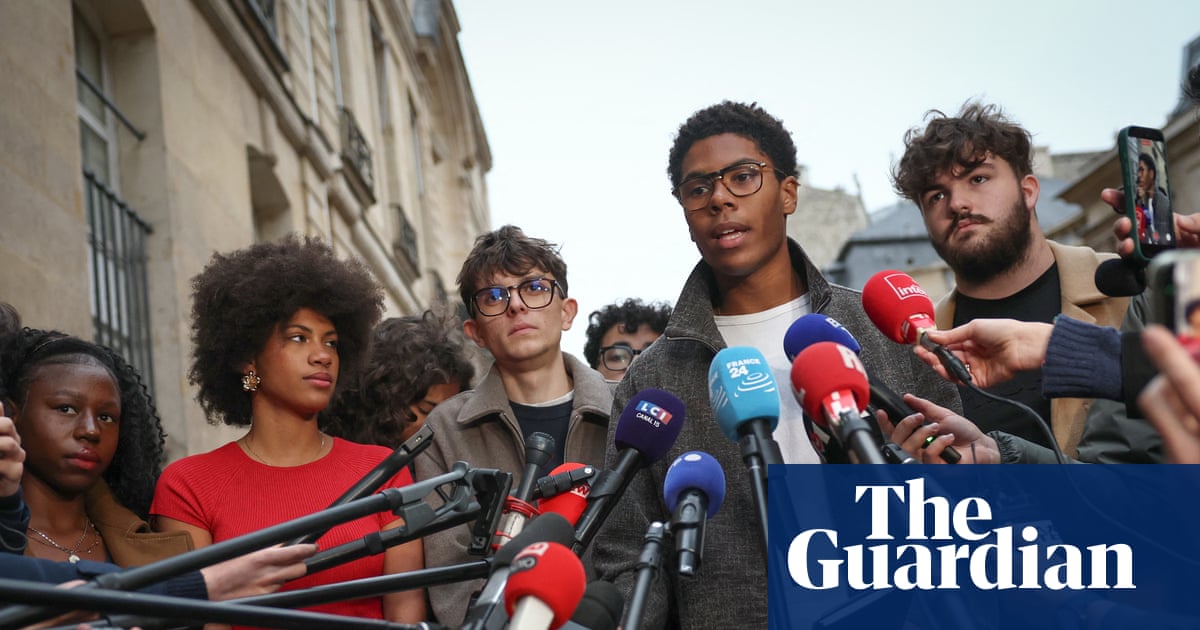
Student activists in France are maintaining their occupation of high schools and urging continued street demonstrations, rejecting a newly announced package of government measures as inadequate. The protest movement, which began more than five weeks ago at the start of the academic term, has evolved into one of the largest youth mobilizations in recent years. Leaders from student unions argue that the struggle must persist until their most significant demands regarding educational resources and infrastructure are fully satisfied.
The government’s response includes a €4 billion loan to regional authorities aimed at repairing dilapidated school buildings. Education Minister Édouard Geffray acknowledged that some facilities were in such poor condition that they were unfit for teaching, citing issues like collapsing ceilings, mold, broken plumbing, and windows that fail to close. Additionally, the administration proposed capping class sizes at 28 students for fifteen-year-olds in half of the schools located in lower-income areas, with plans to extend this limit to all high schools within a year.
Despite these concessions, student representatives remain unsatisfied. Pierre Sourzat, a leader from the Les Lycéens union, characterized the current situation as a power struggle requiring sustained mobilization. He criticized the government’s proposals as half-measures, emphasizing that students want comprehensive solutions rather than partial fixes. Another representative, Louis Letoublon, noted that while the government appears to be listening due to the pressure exerted by the protests, not all demands have been met, signaling an intent to continue the campaign indefinitely.
The protests have expanded beyond educational concerns to include broader grievances about teacher shortages and staff deficits. The movement has also drawn support from trade unions and individuals protesting the rising cost of living, leading to regular mass demonstrations on Saturdays. The government has promised to create additional teaching posts and review the baccalaureate examination system. Furthermore, the opaque university application platform, Parcoursup, is scheduled for modification in 2027 and complete replacement by 2028, with parliamentary debate set to begin shortly.
Higher education minister Philippe Baptiste announced the creation of 15,000 additional student places, with a focus on vocational training courses. He stated that the government remains open to further discussions. However, the atmosphere surrounding these negotiations is tense. The protests have been marked by significant violence, including incidents where children were seriously injured or maimed, allegedly by police using explosive weapons. Hundreds of young people have been arrested and held in custody.
Security authorities have responded to the unrest by increasing security measures and imposing restrictions on demonstrations. This escalation follows a particularly violent day on October 17, which saw looting, fires, and vandalism of state buildings, described as the worst day of violence in years. In response, curfews have been implemented in certain cities, and protest routes were redirected to city outskirts during recent Saturday demonstrations, which passed largely peacefully. Interior Minister Laurent Nuñez-Belda reported a new phenomenon involving ultra-right groups arriving in organized formations to target protesters in cities like Nice and Montpellier, with eleven suspects facing charges.
President Emmanuel Macron visited Marseille on Monday, acknowledging that nationwide street protests are likely to continue. He described the upcoming demonstration on October 31 as a day of risk and emphasized that the looting and vandalism seen previously should not recur. Speaking to police members, Macron expressed concern over the country’s state of turmoil, noting it is abnormal for such instability to occur six months before the presidential election. He stated that while the government will maintain order and address legitimate expectations, nothing is guaranteed.
The political context adds urgency to the situation. Macron is scheduled to step down next spring, with far-right leader Marine Le Pen currently leading in the polls. Authorities have admitted to security and intelligence failures that contributed to the clashes on October 17. As the government attempts to balance addressing legitimate educational grievances with maintaining public order, the standoff between student activists and state authorities remains unresolved, with both sides preparing for continued confrontation.
Sources behind this briefing
Go to the original reporting
- The Guardian World↗Protest leaders urge French pupils to keep barricading their schools