The short version
- An international delegation of twenty-three people, including four elected officials from the UK and other nations, was detained for nine hours by Israeli forces at the Allenby Bridge.
- The group intended to attend a congress in Ramallah and meet with Palestinian communities facing increased violence during the olive harvest season.
- United Nations data indicates over one hundred sixty settler attacks linked to the harvest in early October, often occurring with Israeli military presence.
An international delegation comprising twenty-three individuals, including four elected representatives from the United Kingdom and other nations, was prevented from entering the West Bank by Israeli security forces. The group, which included members of parliament from the UK Labour Party, the Scottish National Party, and the Scottish Green Party, along with a former Labour MP, had planned to travel to Ramallah for a political congress organized by the Progressive International in partnership with Birzeit University.
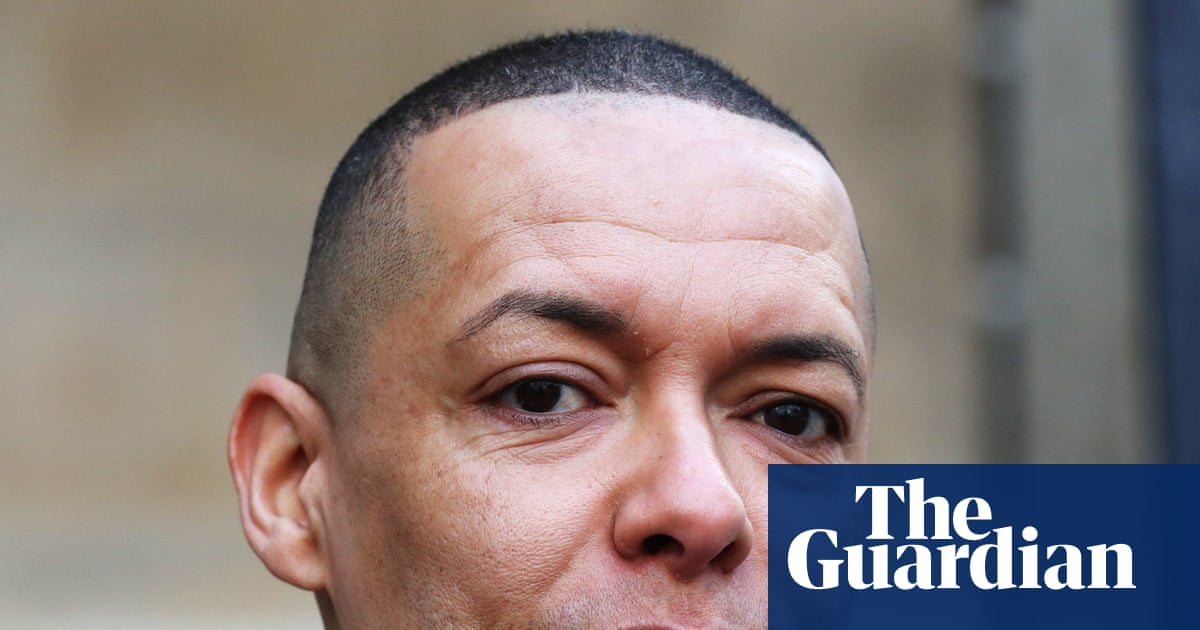
The delegates were detained at the Allenby Bridge, which connects Jordan to the West Bank, for approximately nine hours. According to Clive Lewis, the MP for Norwich South, the group was separated and subjected to intense questioning regarding their purpose and perspective on the conflict. He described the encounter as deeply unpleasant, noting that officials shouted at them while demanding explanations for their presence and the narratives they intended to convey.
The primary objective of the visit was to engage with Palestinian children, farmers, and civil society leaders who have reported escalating violence from Israeli forces during the current olive harvest season. The delegation aimed to bear witness to these conditions and participate in meetings with academics and students. Sam Tarry, a former Labour MP included in the group, suggested that the denial of entry appeared to be a deliberate political choice intended to prevent outside observers from documenting events in the region.
Tarry indicated that the timing of the exclusion may be linked to upcoming elections, implying that Israeli authorities wish to limit visibility into the situation on the ground. He expressed belief that the delegation had a realistic prospect of crossing the border before being stopped. The incident highlights broader concerns about access restrictions for journalists, activists, and diplomats seeking to report on or support Palestinian communities during periods of heightened tension.
The olive harvest period has become a focal point for conflict in recent weeks. United Nations aid coordination offices recorded at least one hundred sixty attacks by Israeli settlers against Palestinians linked to the harvest in the first two weeks of October alone. Many of these incidents reportedly occurred under the protection or with the active participation of Israeli security forces, according to international monitoring reports.
Israeli Defense Minister Israel Katz recently instructed officials to pursue exclusion orders against activists accompanying Palestinian olive harvesters, as reported by Israeli media earlier this month. This directive aligns with a pattern of restrictions observed in the region, where international travel to parts of the West Bank remains permitted but is heavily regulated through military checkpoints and discretionary entry bans.
Similar incidents have affected other international figures recently. European diplomats and a French mayor were attacked while accompanying Palestinian farmers, and approximately eighty volunteers, including US congressional candidate Brad Lander, were detained in connection with olive harvest activities. These events underscore the increasing difficulty for foreign nationals to operate freely in the area without facing legal or physical repercussions.
Lara Bird, an MP for the Scottish National Party, criticized the lack of justification provided by Israeli authorities for turning away the delegation. She emphasized the importance of solidarity and witnessing the reality on the ground, questioning why access would be restricted if there were nothing to conceal. The Israeli embassy has been contacted for comment regarding the detention and the broader policy of excluding activists from the West Bank.
Laila Hazaineh, a political coordinator for the Progressive International, stated that the refusal of entry would only strengthen the determination of the delegation and its supporters to continue engaging with Palestinian institutions. The organization maintains that despite the violence and barriers, the commitment to supporting Palestinian civil society remains unwavering. The incident adds to growing international scrutiny of Israel’s management of access to the occupied territories.
The situation reflects a complex interplay between security concerns, political strategy, and human rights advocacy. As tensions rise during the harvest season, the ability of independent observers to document events becomes increasingly constrained. The detention of elected officials from multiple countries draws attention to the diplomatic implications of these restrictions and may influence international perceptions of Israel’s conduct in the region.
Sources behind this briefing
Go to the original reporting
- The Guardian World↗British politicians among international delegates barred from entering West Bank