The short version
- Greg Bovino, the former border patrol chief removed after the Minneapolis shootings, describes the withdrawal of federal agents as a surrender by the Trump administration.
- The family of Renee Good has filed civil lawsuits against top officials, including Bovino, alleging wrongful death and conspiracy to interfere with civil rights.
- Bovino rejects claims that video evidence undermines the government's account of the shootings and suggests he may run for president in 2028.
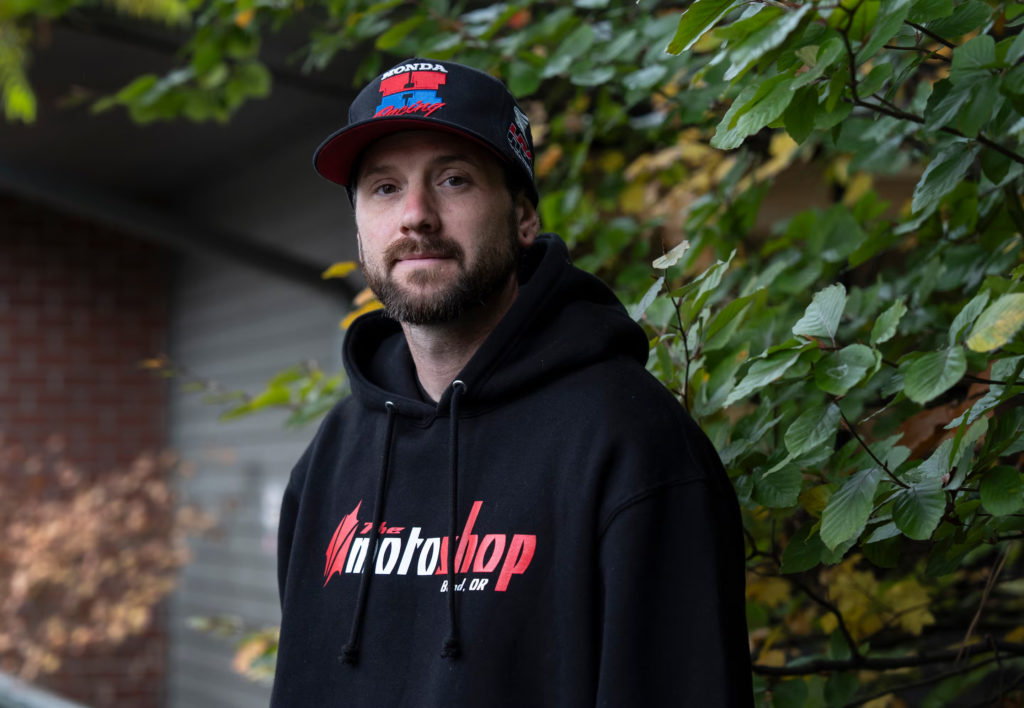
Greg Bovino, the former head of U.S. Border Patrol who led the controversial federal immigration operation in Minneapolis earlier this year, has publicly defended the mission’s abrupt end as a surrender by the Trump administration. In an interview with BBC News, Bovino characterized the withdrawal of hundreds of agents from Minnesota as a moment when the government threw in the towel. He expressed regret that his team did not arrest more undocumented immigrants during the operation, arguing that current deportation efforts have reached a virtual standstill.
The Minneapolis deployment gained national attention following the fatal shootings of two U.S. citizens, Renee Good and Alex Pretti, in January. Video footage of the incidents sparked widespread protests and bipartisan criticism. President Trump initially defended the agents, blaming Good for her death by claiming she ran over an officer. However, he later described the event as a tragedy and acknowledged that agents sometimes make mistakes. The backlash prompted the administration to de-escalate its presence in the city and remove Bovino from his leadership role.
Bovino’s removal coincided with the departure of approximately 700 immigration agents from the state. Tom Homan, the White House border enforcement official, took over operations following Bovino’s exit. When asked about the reasons for his dismissal, Bovino stated he had not received a final explanation from the administration. He has since retired from Border Patrol but remains active in political circles, recently addressing rallies in Michigan and Detroit where he advocated for stricter immigration enforcement measures.
Legal challenges to the operation continue to mount. The family of Renee Good filed two civil lawsuits against the Trump administration earlier this month. One suit names Bovino and Jonathan Ross, the agent who shot Good, alleging wrongful death and a conspiracy to interfere with the civil rights of protesters. The complaint argues that the government’s actions created an unprecedented environment for state-sponsored violence. Bovino dismissed the legal action, stating that people file lawsuits frequently and praising the officers deployed to Minneapolis.
Lawyers representing Good’s family strongly criticized Bovino’s public comments, describing them as propaganda. They emphasized that Bovino cannot act as judge, jury, and executioner in this matter. The legal team indicated they look forward to deposing Bovino and other defendants involved in the case. A White House spokeswoman previously characterized the lawsuits as baseless, defending the administration’s record on immigration enforcement.
Bovino rejected suggestions that video evidence from the shooting incidents undermines the government’s account of events. He maintained that violence was perpetrated against federal agents and insisted that individuals must follow the law or face consequences. This stance contrasts with newly released video analysis that some observers argue contradicts the official narrative provided by immigration authorities at the time of the shootings.
The former border chief has become known for his hardline positions on immigration, often exceeding the rhetoric of current administration officials. He has claimed without evidence that 100 million people are in the U.S. illegally and should be deported. Bovino has called for total spectrum immigration enforcement involving military support and mass deportations via various modes of transport. His views have drawn both fervent support from activists and sharp criticism from civil rights advocates.
Bovino also hinted at a potential presidential run in 2028, suggesting that if politicians fail to step up, he might enter the race. This speculation comes as Kristi Noem, who served as Homeland Security Secretary during the Minneapolis operation, was fired by Trump in March. The White House continues to highlight its immigration achievements, with a spokesperson noting that the president has delivered the largest reduction in illegal immigration in modern history.
As legal proceedings advance, the tension between federal enforcement strategies and local civil rights concerns remains unresolved. Bovino’s characterization of the Minneapolis withdrawal as a surrender highlights the internal divisions within the administration regarding immigration policy. The outcome of the civil lawsuits could provide further clarity on the accountability of federal agents involved in high-profile enforcement actions.
The situation in Minneapolis serves as a case study for broader debates over federal authority and local autonomy. While Bovino defends the operation’s intent, critics point to the loss of life and the subsequent legal battles as evidence of systemic issues. The coming months will likely see continued litigation and political maneuvering as stakeholders seek to define the boundaries of immigration enforcement in American cities.
Sources behind this briefing
Go to the original reporting
- BBC News↗Minneapolis withdrawal was 'surrender', Trump's ex-border patrol chief tells BBC