The short version
- Luiz Inácio Lula da Silva faces a historic challenge to overturn a first-round loss, with recent polling indicating a near-even race against Senator Flávio Bolsonaro.
- The campaign is focusing heavily on Minas Gerais, a crucial electoral battleground where high abstention rates and a previous deficit pose significant hurdles for the incumbent.
- Lula’s team has adapted its messaging to engage younger demographics through digital platforms, while Bolsonaro supporters work to maintain momentum among their base.
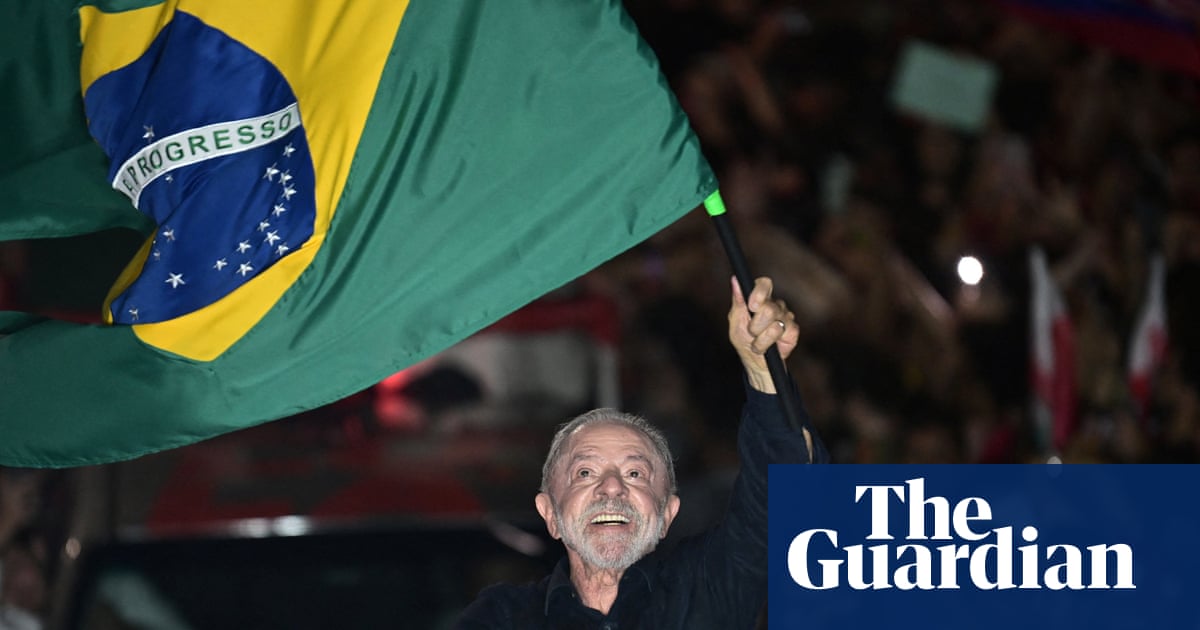
The final days of Brazil’s presidential runoff campaign are defined by an unprecedented statistical deadlock between incumbent Luiz Inácio Lula da Silva and Senator Flávio Bolsonaro. After suffering a first-round defeat on October 5, Lula is attempting a historic reversal that no candidate in the nation’s modern electoral history has achieved. Recent polling data indicates the gap between the two contenders has narrowed to within fractions of a percentage point, transforming what was once a clear lead for the senator into a highly contested finish line.
The strategic center of this contest is Minas Gerais, Brazil’s second-largest electorate and a traditional bellwether state that no candidate can win without carrying. In the first round, Lula trailed Bolsonaro by nearly five percentage points in this region, where eight of the ten cities with the highest voter abstention rates are located. The overall national abstention rate reached a record 21 percent, a trend that disproportionately affects lower-income and older voters who typically support the leftist incumbent.
Lula’s campaign strategy now rests on mobilizing these disengaged voters and flipping those who cast null ballots or supported third-party candidates. In Belo Horizonte, the state capital, supporters describe intense grassroots efforts to persuade individuals who did not vote for Lula in October. These efforts range from convincing family members who stayed home to engaging students who previously backed other candidates, highlighting a shift from broad ideological appeals to targeted personal outreach.
One notable aspect of this mobilization involves overcoming deep polarization, particularly among evangelical voters who initially supported Bolsonaro. Reports from the field indicate that some Lula supporters have successfully persuaded individuals within their social circles to switch allegiance, often by addressing misconceptions rather than engaging in direct political debate. This approach aims to neutralize the narrative advantages held by the far-right candidate and reduce the impact of negative campaigning.
The context of this election is heavily influenced by the legacy of Jair Bolsonaro, Flávio’s father, who currently serves a 27-year sentence under house arrest following a failed coup attempt. Jair Bolsonaro chose his eldest son to run in his stead, and Flávio has promised to pardon his father if elected. This dynamic has energized Bolsonaro’s base, which views the election as a defense of traditional values and family structures, while simultaneously galvanizing Lula’s supporters who fear a return to authoritarian tendencies.
Despite the first-round victory, Bolsonaro’s campaign is not resting on its laurels. Local politicians in Minas Gerais are urging supporters to remain active, warning against complacency. Events featuring video appearances by the senator and large-scale rallies aim to sustain enthusiasm among his voters. The presence of inflatable figures of Jair Bolsonaro at these gatherings underscores the symbolic weight of the former president’s shadow over the current contest.
Lula’s team has also overhauled its digital communication strategy, adapting to the preferences of younger, digitally native voters. Although the 81-year-old president does not own a mobile phone, he has begun recording selfie-style videos to connect with this demographic. This shift coincides with organic street protests led by young people across Brazil, who have become a crucial catalyst for Lula’s potential comeback. Their participation signals a broader engagement with the political process beyond traditional party lines.
Political scientists note that while Lula’s campaign has performed better in the runoff phase, there is no guarantee of success. The narrow margin between first and second place leaves little room for error. If Lula can ensure high turnout among his base and persuade enough swing voters, he may secure victory. However, the high abstention rates and the entrenched support for Bolsonaro in key regions mean that the outcome remains uncertain until the final votes are counted.
As both candidates hold their final rallies in Belo Horizonte, the stakes could not be higher. For Lula’s supporters, the election is framed as a defense of democratic rights and social progress. For Bolsonaro’s backers, it is a chance to consolidate gains made in congressional and state elections. The coming days will test the resilience of both campaigns and the willingness of Brazilian voters to participate in one of the most polarized elections in recent memory.
The result will likely hinge on voter turnout in Minas Gerais and other swing states. Analysts emphasize that while polls show a tight race, the actual outcome depends on whether Lula can overcome the structural disadvantage of high abstention among his traditional base. The final push involves not just winning over new voters but ensuring that existing supporters make it to the polls, a challenge that defines the closing chapter of this historic election.
Sources behind this briefing
Go to the original reporting
- The Guardian US↗‘We can’t let the far right take power again’: Lula voters in final push before Brazil runoff