The short version
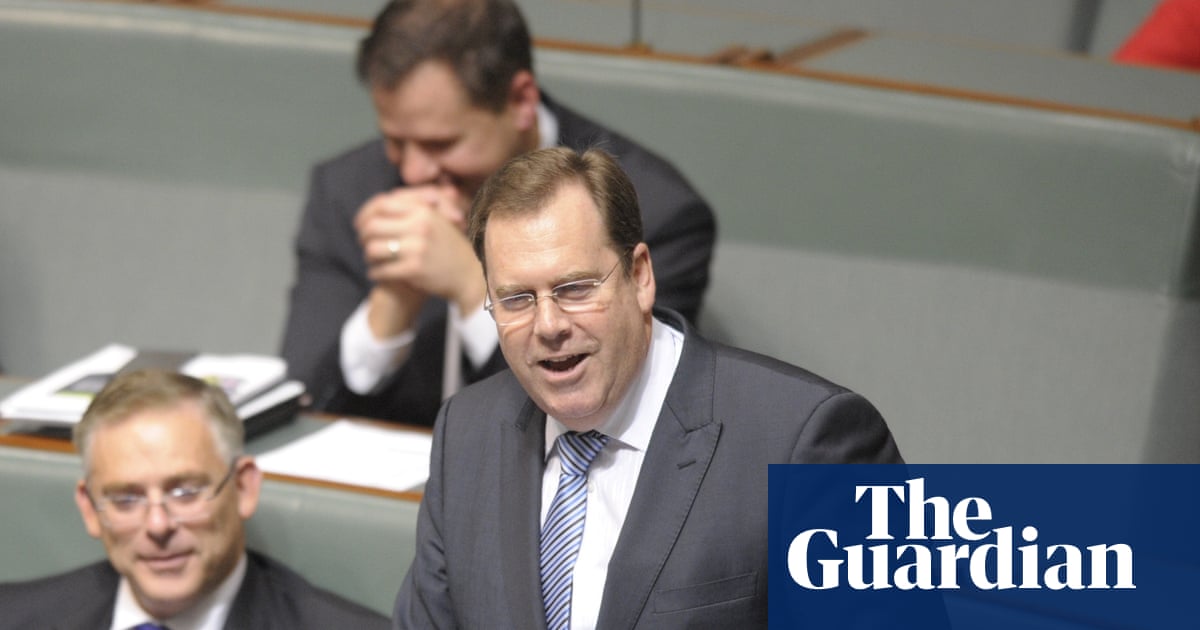
- Robert McClelland, a former Labor attorney general and federal judge, has been appointed as the new commissioner of the National Anti-Corruption Commission.
- Christopher Savundra, currently with the Australian Securities and Investments Commission, will serve as deputy commissioner alongside McClelland.
- The leadership change follows the resignation of Paul Brereton amid criticism regarding secretive processes and perceived conflicts of interest.
Robert McClelland has been selected to lead Australia’s National Anti-Corruption Commission, marking a significant transition for the federal watchdog. The appointment comes after the resignation of Paul Brereton, the commission’s inaugural commissioner, who stepped down in May citing concerns that criticism of his performance was distracting from the agency’s core mission. Attorney General Michelle Rowland announced the selection as part of a promised reset for the body, aiming to address operational controversies and rebuild institutional credibility.
McClelland brings extensive legal and political experience to the role. He previously served as Australia’s attorney general in the Rudd government from 2007 to 2011. After leaving parliament in 2013, he was appointed to the federal circuit and family court by the Coalition government in 2015. Since 2018, he has held the position of deputy chief justice. His background spans both major political parties, having served under Labor leadership and been appointed by Coalition officials, which may lend a degree of bipartisan legitimacy to his tenure.
Christopher Savundra has been named as the deputy commissioner. Savundra currently serves as the executive director of enforcement and compliance at the Australian Securities and Investments Commission. His expertise in regulatory enforcement is expected to complement McClelland’s judicial experience. Both appointments were made through an open, competitive, and merit-based selection process, according to Rowland, who emphasized that the candidates’ skills would be valuable assets to the commission’s work in enhancing integrity across the Commonwealth public sector.
The leadership change follows a period of intense scrutiny for the National Anti-Corruption Commission. Brereton faced criticism for continuing consulting work for his former employer, the inspector general of the Australian defence force, while serving as commissioner. This work related to an inquiry into alleged war crimes involving Australian troops in Afghanistan, raising concerns about potential conflicts of interest. Although a subsequent report found no intentional wrongdoing or impropriety, it noted that Brereton had not removed himself from decision-making processes despite declaring a perceived conflict with one of the individuals involved.
Operational controversies also centered on the commission’s handling of referrals from the robodebt royal commission. In 2024, the agency initially decided not to investigate six public servants referred by the royal commission. This decision sparked more than 1,000 complaints and led an inspector to find that the process was affected by apprehended bias. The commission reversed its decision the following year, eventually releasing a report earlier this year that found two of the referred public servants had engaged in serious corrupt conduct.
The selection panel for the new leadership included Katherine Jones, secretary of the Attorney General’s Department; former federal court judge Raymond Finkelstein; and Gina Cass-Gottlieb, head of the Australian Competition and Consumer Commission. Rowland stated that both McClelland and Savundra received unanimous support from this panel. The parliamentary joint committee on the National Anti-Corruption Commission has also signed off on the appointments, fulfilling legislative requirements for the commission’s governance.
Independent Member of Parliament Helen Haines, who helped design the commission and serves as deputy chair of its parliamentary oversight committee, welcomed the changes. She described the reset as necessary and timely, noting that the new appointments offer an opportunity to rebuild public confidence. Haines emphasized the importance of ensuring the commission can operate with independence, credibility, and integrity moving forward.
McClelland and Savundra are scheduled to begin their five-year terms on January 11 next year, pending approval by Governor General Sam Mostyn. The transition also acknowledges the contributions of acting commissioner Kylie Kilgour and acting deputy commissioners Jamie Lowe and Penny Shakespeare, who have maintained operations during the leadership vacancy. As the commission prepares for this new chapter, it faces the challenge of demonstrating improved transparency and effectiveness in its oversight of public sector conduct.
The appointment underscores the government’s commitment to strengthening anti-corruption mechanisms at the federal level. By selecting a figure with deep judicial experience and a history of high-level legal responsibility, authorities aim to stabilize the commission after a turbulent period. The coming months will likely focus on establishing new protocols and restoring trust among both public servants and the broader Australian community.
While the specific operational strategies under McClelland’s leadership have not yet been detailed, the emphasis remains on merit-based enforcement and procedural fairness. The previous controversies highlighted the delicate balance between investigative rigor and perceived impartiality. As the new commissioners take office, their ability to navigate these complexities will be critical to the commission’s long-term success and public standing.
Sources behind this briefing
Go to the original reporting
- The Guardian World↗Former Labor attorney general turned judge Robert McClelland named new anti-corruption boss