The short version
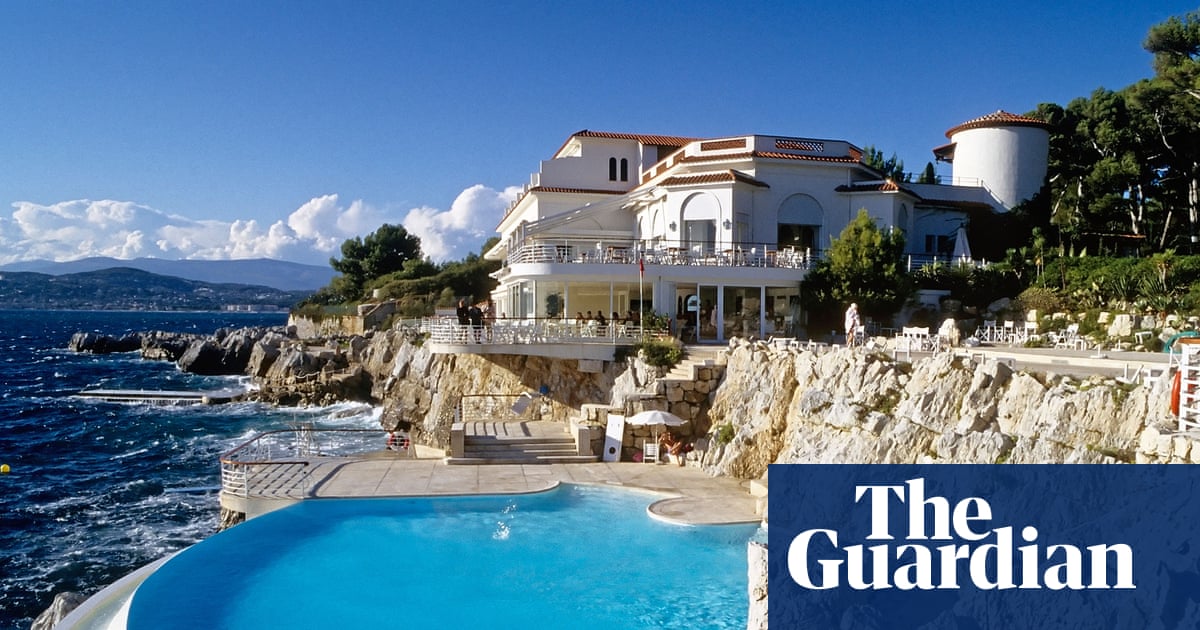
- Luxury hotels like Hotel du Cap-Eden-Roc now require prior permission for photoshoots to prevent guests from using dining reservations as staging areas for content creation.
- Public spaces and smaller businesses, including a Vermont town and a Cheshire farm shop, have introduced time-based bans or physical barriers to limit filming during peak hours.
- Industry experts note that while some venues view these restrictions as necessary for hospitality standards, critics argue the backlash often stems from misconceptions about influencer compensation and gendered biases.
A growing number of hospitality venues and public spaces across multiple continents are instituting formal restrictions on photography and filming by content creators. This shift represents a significant change in how businesses manage their physical environments, moving from passive tolerance to active regulation of social media production. The trend spans high-end luxury establishments in France, rural attractions in the United Kingdom, and scenic locations in Japan and the United States, indicating a broad-based response to perceived disruptions caused by the influx of influencers.
At the Hotel du Cap-Eden-Roc in Antibes, management has implemented rules prohibiting photoshoots without prior authorization. The decision was driven by reports of guests booking lunch reservations not to dine, but to use the space as a studio. These individuals reportedly arrived with bags of clothing and jewelry, changing outfits during their meal times to generate images for social media platforms. Sophie Volant, the hotel manager, explained that while they appreciate patronage, they must ensure the property remains a private retreat for guests who value discretion over public performance.
Similar measures are appearing in less glamorous settings. The Hollies, a farm shop in Cheshire that gained popularity after being featured by Love Island star Molly-Mae Hague, has banned photography and filming between 10 am and 4 pm. This time-specific restriction aims to manage foot traffic and maintain the shopping experience for customers who are not there to produce content. In London, restaurateur Jeremy King publicly expressed frustration with influencers overcrowding his establishments, signaling a wider industry sentiment that the current dynamic is unsustainable.
In the United States, resistance has taken various forms. A shop on Nantucket displayed a sign explicitly excluding influencers, while the town of Pomfret in Vermont banned individuals from taking pictures in front of autumn foliage. These actions suggest that local communities are also feeling the pressure of viral tourism trends. In Japan, authorities near Mount Fuji erected a screen in Fujikawaguchiko to block views for photographers at a convenience store, highlighting how even iconic natural landmarks are facing management challenges related to digital content creation.
The rationale behind these bans often centers on privacy and the preservation of atmosphere. Anna Fedou, chief marketing officer at the Beaumier hotel group, emphasized that their business is hospitality, not photo production. She noted that guests travel to experience a unique sense of space and atmosphere, which can be compromised when others are actively documenting their surroundings. While some hotels collaborate with influencers for promotional purposes, they strive to balance this marketing need with the comfort of paying customers who seek rest rather than exposure.
Cultural analysts suggest these restrictions mirror broader societal shifts away from constant documentation toward immersive experience. Alex Goat, founder of Livity, compared the new hotel policies to nightclub rules requiring camera stickers on phones. Both measures serve to signal that the venue is intended for enjoyment and presence, not for broadcasting to an external audience. This perspective frames the bans not merely as operational adjustments but as statements about the value of unmediated human interaction in physical spaces.
However, critics argue that the backlash against influencers is often fueled by misconceptions. Nicole Ocran, who established the Creator Union, pointed out that most creators produce content for free in hopes of attracting brand deals, rather than receiving direct payment for every post. She suggested that public disapproval may stem from stereotypes about influencer wealth and behavior. Additionally, Sophie Bishop, author of Influencer Creep, noted that influencer culture is frequently vilified in ways that reflect underlying sexism, given its association with feminized media and promotional activities.
As venues continue to refine their policies, the challenge remains balancing marketing opportunities with guest satisfaction. Fedou indicated that influencers often choose quieter times to shoot, minimizing disturbance, but hotels must prioritize the overall guest experience. The ongoing tension suggests that while social media integration is inevitable in modern hospitality, the terms of engagement are being renegotiated. Future developments will likely depend on how effectively businesses can enforce these boundaries without alienating a demographic that significantly influences travel trends.
Sources behind this briefing
Go to the original reporting
- The Guardian World↗‘No influencers’: the hotels, restaurants and beauty spots restricting photoshoots