The short version
- One pilot stabbed another on FlyDubai flight FZ1073, causing the plane to lose significant altitude before crew and passengers subdued the attacker.
- The aircraft landed safely in Saudi Arabia, where authorities detained one of the pilots while both received medical treatment for injuries sustained during the incident.
- The event has intensified scrutiny regarding how weapons bypassed security checks and whether current cockpit access protocols are sufficient to prevent such breaches.
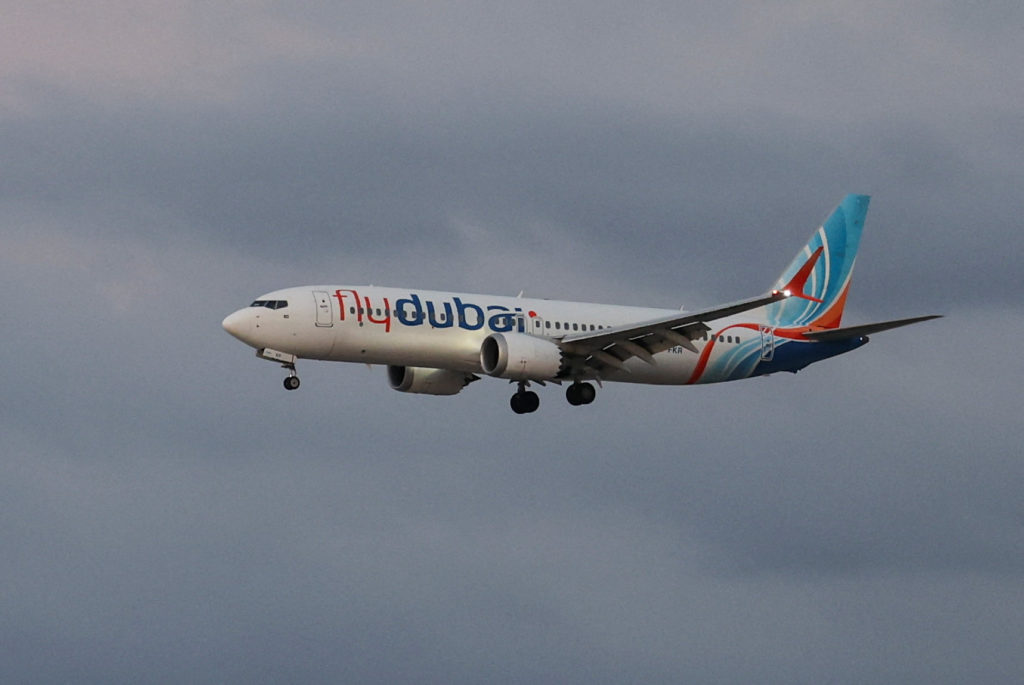
A FlyDubai passenger jet traveling from Dubai to Tel Aviv was forced to make an emergency landing in Saudi Arabia on Wednesday after a violent altercation between two pilots resulted in one being stabbed. The incident, which occurred approximately two and a half hours into the flight, caused the aircraft to rapidly descend from 33,000 feet to 17,000 feet within a single minute. Israeli Prime Minister Benjamin Netanyahu confirmed that the stabbing pilot appeared to be attempting to crash the plane, prompting fears of a catastrophic disaster among the roughly 170 people aboard.
The situation stabilized when a passenger and a crew member managed to breach the cockpit door, allowing other flight attendants to take control of the aircraft. This intervention prevented further loss of altitude and enabled the pilots who remained in control to guide the plane toward Tabuk, Saudi Arabia. The landing occurred about an hour after the initial distress signal was sent at 8:44 a.m. local time. Israeli fighter jets had been scrambled during the descent due to concerns that the aircraft might be hijacked or used as a weapon.
Following the safe arrival in Tabuk, authorities moved quickly to secure the scene and address the medical needs of those involved. Both pilots required hospital treatment for injuries sustained during the struggle. According to Netanyahu, Saudi Arabian officials have arrested one of the pilots involved in the attack. The passengers were subsequently transported back to Israel, arriving at Ben Gurion International Airport later that evening where they were greeted by family members and friends.
The timing of this incident has heightened anxieties within Israel and the broader aviation community. It occurred just days before the third anniversary of the October 7, 2023 attacks that triggered the ongoing war in Gaza. This proximity to a significant historical date has rekindled public concern regarding airline security vulnerabilities. The event forces a difficult conversation about whether pilots themselves pose a credible threat to passenger safety, a question that had largely receded from public discourse since previous isolated incidents.
Security experts are now examining how the attacker managed to bring a knife onto the aircraft. Pilots typically undergo rigorous screening processes at all airports, including metal detector checks and background vetting for criminal history, employment records, and mental health status. Despite these measures, it remains unclear how the weapon bypassed security protocols in Dubai. The size of the knife used in the attack has not been disclosed, leaving gaps in the understanding of how easily such an item could be concealed.
The role of the cockpit door in this incident has drawn particular attention. Modern aircraft are equipped with reinforced doors that remain locked during flight, a standard implemented globally after the September 11, 2001 terrorist attacks. Netanyahu stated that the pilot who was stabbed opened the door, which allowed passengers and crew to intervene. This detail suggests that while the door provides a barrier, it is not impenetrable if someone inside chooses to unlock it, potentially creating a vulnerability in emergency situations involving internal threats.
Israel maintains some of the most stringent aviation security measures in the world. Passengers flying into Israeli airports often face additional questioning and baggage inspections beyond standard international procedures. However, it is uncertain whether the pilots on this specific FlyDubai flight were subjected to the same level of scrutiny as passengers. The discrepancy between passenger screening and crew screening may represent a blind spot that security agencies are now reevaluating.
This incident echoes rare but deadly precedents in aviation history, such as the 2015 Germanwings crash where a co-pilot deliberately crashed the plane after locking the captain out of the cockpit. While that tragedy resulted in the loss of all lives on board, the FlyDubai incident ended without fatalities due to the swift actions of those inside the cabin. The contrast highlights the importance of rapid response and the potential for human intervention to mitigate even the most severe onboard threats.
As investigations proceed, aviation authorities are likely to review existing protocols for pilot screening and cockpit access. The incident underscores the complexity of balancing security with operational efficiency. While no immediate changes to industry standards have been announced, the event serves as a stark reminder that internal threats remain a possibility. Stakeholders in the aviation sector will need to determine whether current measures are adequate or if additional safeguards are necessary to prevent similar occurrences in the future.
The aftermath of the flight has left passengers and crew grappling with the trauma of the experience. For many, the sudden drop in altitude and the knowledge that a pilot was attempting to crash the plane represents a profound violation of trust in air travel. As details continue to emerge, the focus will remain on understanding the motive behind the attack and ensuring that such breaches of security do not happen again. The incident stands as a sobering test of emergency preparedness and human resilience.
Sources behind this briefing
Go to the original reporting
- PBS NewsHour↗What to know about the terrifying FlyDubai flight forced to land in Saudi Arabia