The short version
- Flock Safety plans to eliminate approximately 270 positions, representing about 18 percent of its staff, following a voluntary separation program.
- The company faces increasing legal and political pressure, including a recent ban on its cameras in Florida and lawsuits alleging warrantless surveillance.
- Despite strong venture capital backing and a valuation of $7.5 billion, public opinion remains divided on the use of automated license plate readers.
Flock Safety, a prominent developer of artificial intelligence-driven surveillance systems, is preparing to reduce its workforce significantly as it navigates intensifying criticism from privacy advocates and lawmakers. According to individuals with direct knowledge of the internal plans, the Atlanta-based startup intends to let go of approximately 18 percent of its employees. This reduction follows an earlier voluntary buyout program announced in September and is expected to impact roughly 270 staff members who will depart by the end of the month.
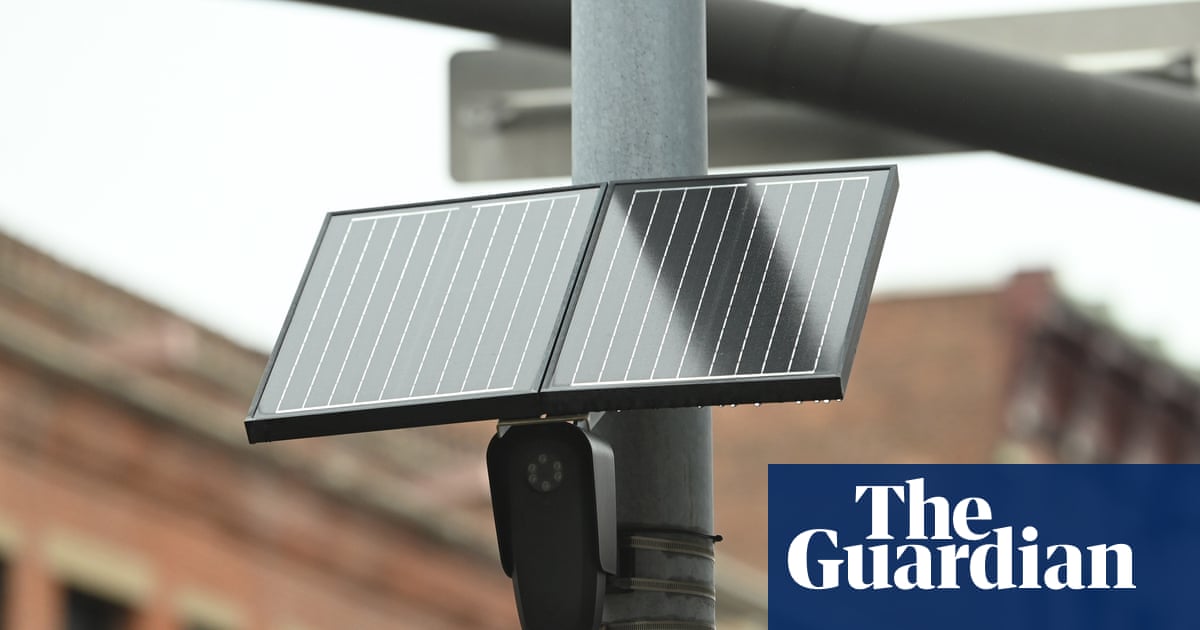
The decision comes at a pivotal moment for the company, which has experienced rapid expansion since its founding in 2017. Flock currently employs about 1,500 people and operates a vast network of approximately 120,000 AI-powered cameras installed across 49 states. These devices are affixed to streets and highways, automatically reading license plates and recording vehicle movements. While the company has secured substantial financial support, including a recent $275 million funding round that valued it at $7.5 billion, the operational scale of its surveillance infrastructure is now under closer examination.
Public sentiment regarding Flock’s technology appears deeply polarized. A recent poll conducted by Reuters and Ipsos indicated that Americans are split on the merits of deploying such cameras in their communities. Approximately 38 percent of respondents expressed support for the use of Flock cameras, while 47 percent opposed them. This division reflects broader societal debates over the balance between public safety benefits and individual privacy rights, a tension that has become increasingly visible as the technology becomes more ubiquitous.
Regulatory and legal challenges have mounted alongside public skepticism. In September, Florida enacted a ban on automated license plate readers on state highways, citing specific privacy risks associated with Flock’s camera systems. Additionally, the company is facing a privacy lawsuit in Virginia, where plaintiffs allege that the widespread deployment of its AI-powered cameras constitutes unconstitutional warrantless surveillance. These legal actions highlight the growing difficulty for surveillance firms to operate without facing judicial scrutiny.
Political pressure has also escalated, particularly as the technology becomes a focal point in upcoming midterm elections. Candidates are increasingly leveraging public concern over data privacy to attack opponents, tying them to the use of controversial surveillance tools. The political landscape suggests that support for or opposition to Flock’s services may become a defining issue for legislators and local officials alike, further complicating the company’s expansion efforts.
Corporate partnerships have not been immune to this scrutiny either. Investors in Home Depot recently demanded reviews of the retailer’s relationships with surveillance technology vendors after reports emerged that Flock’s data had been utilized in immigration enforcement actions. This incident underscores the reputational risks associated with supplying data to law enforcement and government agencies, prompting major corporations to reassess their exposure to potential backlash.
Despite these headwinds, Flock continues to serve a large client base, providing cameras and software solutions to more than 4,800 law enforcement agencies and nearly 1,000 businesses. The company maintains that its technology aids in investigating and solving crimes, arguing that the benefits of enhanced public safety outweigh privacy concerns. However, the recent job cuts signal a strategic recalibration, possibly aimed at streamlining operations in response to the uncertain regulatory environment.
The reduction in staff follows a period of aggressive growth funded by venture capital investors, including Andreessen Horowitz. The capital raised has supported new manufacturing facilities in the United States and plans to expand into drone products. Yet, as the company transitions from rapid expansion to a more consolidated phase, it must navigate a landscape where public trust is eroding and legal boundaries are being tested.
Looking ahead, Flock’s ability to maintain its market position will depend on how effectively it addresses privacy concerns while continuing to deliver value to its clients. The intersection of technology, law enforcement, and civil liberties remains a contentious arena, with no clear consensus on the appropriate limits of surveillance. As the midterm elections approach, the political stakes surrounding these issues are likely to rise, potentially influencing future regulations and corporate strategies.
For now, the job cuts represent a tangible response to the mounting pressures facing Flock Safety. Whether this move will stabilize the company or signal deeper structural challenges remains to be seen. The broader implications for the surveillance industry could be significant, as other firms may face similar scrutiny and need to adapt their business models in light of evolving public opinion and legal standards.
Sources behind this briefing
Go to the original reporting
- The Guardian World↗AI surveillance startup Flock to cut several hundred jobs amid backlash, sources say