The short version
- The Federal Reserve is anticipated to maintain current interest rates at their highest pre-election levels in two decades during Wednesday's meeting.
- This pause follows a recent rate increase driven by rising inflation, which has been exacerbated by geopolitical conflicts and soaring oil prices.
- Economic experts suggest the timing limits the Fed's ability to implement radical changes before the midterm elections conclude next week.
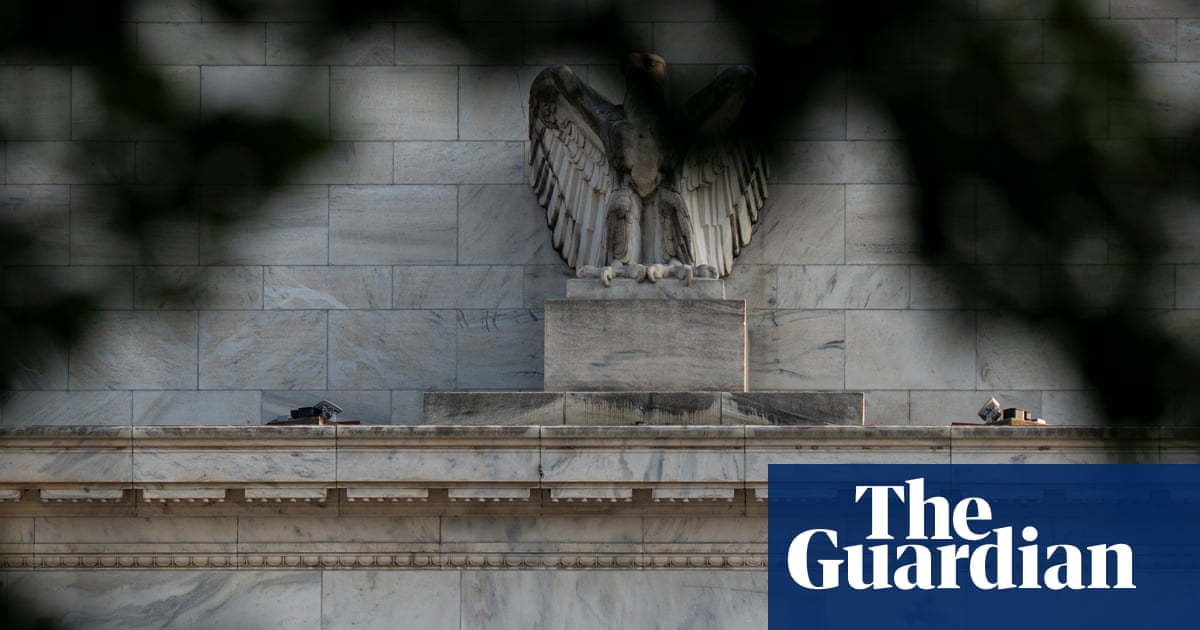
The United States Federal Reserve is widely expected to keep interest rates unchanged on Wednesday, marking a strategic pause in monetary policy during its final rate-setting session before the midterm elections. This decision would maintain borrowing costs at some of the highest levels seen in over twenty years leading up to a major electoral event. The central bank’s move comes after it raised rates last month for the first time since 2023, a action taken in response to persistent inflationary pressures that have defied earlier expectations of stabilization.
Inflation has remained stubbornly above the Federal Reserve’s target rate of two percent for several years. For much of this year, the annualized inflation rate has hovered above three percent, with September data showing an increase from 3.4 percent in August to 3.7 percent. This recent uptick represents the highest level of price growth since the spring months. The central bank’s previous decision to tighten monetary policy was aimed at curbing these rising costs, but the upcoming pause suggests a shift toward a more cautious, observational stance as the political calendar intensifies.
The proximity of the midterm elections significantly influences the likelihood of any dramatic policy shifts. Nicholas Economides, an economics professor at NYU Stern Business School, noted that the central bank is unlikely to take radical action given the tight timeline. Even if the Fed were to implement a significant change in rates, the economy would not have sufficient time to adjust before voters cast their ballots next week. This temporal constraint encourages a wait-and-see approach, allowing policymakers to assess incoming data without triggering immediate market volatility that could impact electoral outcomes.
Interest rates play a critical role in determining the cost of borrowing for consumers and businesses alike. These rates affect credit card interest, mortgage payments, and returns on certain savings accounts. During periods of high inflation, raising rates is a traditional tool used to slow down price increases by cooling demand. However, the effectiveness of this strategy depends heavily on the underlying causes of inflation. If price surges are driven by supply-side shocks rather than excessive consumer demand, rate hikes may be less effective and could potentially hinder economic growth unnecessarily.
A significant portion of this year’s inflation has been attributed to geopolitical instability, particularly the war in the Middle East involving Iran. The conflict has led to soaring oil prices, partly due to the closure of the Strait of Hormuz, a vital chokepoint for global trade. Oil prices briefly exceeded $117 per barrel earlier this week, marking their highest level in more than six months. These supply chain disruptions have contributed directly to higher living costs, creating a complex environment for monetary policymakers who must distinguish between demand-pull and cost-push inflation.
Federal Reserve Governor Christopher Waller indicated earlier this month that the central bank has room to pause its tightening cycle. He emphasized that rate increases do not need to occur at every consecutive meeting, provided they are implemented within an acceptable timeframe. This perspective aligns with the expectation of a hold on Wednesday, even though many Fed economists predict at least one more rate hike before the end of the year. The divergence between immediate policy actions and longer-term forecasts highlights the nuanced approach the central bank is taking to manage economic stability.
The political implications of these economic conditions are substantial. Across multiple polls, the economy has emerged as the top issue for voters heading to the polls in the midterm elections. These elections will determine which party controls Congress, making the cost of living a pivotal factor in campaign narratives and voter sentiment. The Federal Reserve’s decision to hold rates steady may be viewed through this political lens, with critics potentially arguing that high borrowing costs are detrimental to economic growth, while supporters might see it as a necessary measure to prevent further inflationary spirals.
Federal Reserve Chair Kevin Warsh has argued that current inflationary pressures extend beyond the immediate impacts of the Middle East conflict. He stated that while the central bank cannot control individual prices such as oil or food, it is tasked with ensuring that relative price changes do not broaden into wider economic effects. Warsh emphasized the importance of preventing second and third-order consequences from emerging in the broader economy. This stance underscores the Fed’s commitment to long-term price stability, even as it navigates the short-term complexities of an election year and global supply chain disruptions.
Sources behind this briefing
Go to the original reporting
- The Guardian World↗Fed set to hold interest rates steady in last decision before midterms