The short version
- The current Ebola outbreak in the Democratic Republic of the Congo has surpassed ten thousand cases with nearly five thousand deaths, marking the deadliest epidemic in the nation's history.
- Health officials warn that without immediate funding and cross-border cooperation, the virus could spread to non-African nations, drawing parallels to the early stages of the pandemic.
- Response efforts are severely hindered by conflict zones, lack of protective gear, unpaid medical staff, and a significant shortfall in pledged international aid.
A rapidly expanding Ebola outbreak across Africa has triggered urgent warnings from top health officials regarding the potential for global transmission. Dr. Jean Kaseya, director general of the Africa Centres for Disease Control and Prevention, stated that the situation is unprecedented in its geographic scope, affecting three distinct African regions simultaneously. He cautioned that nations outside the continent, including the United Kingdom, are not immune to the risk if they fail to enhance their preparedness measures immediately.
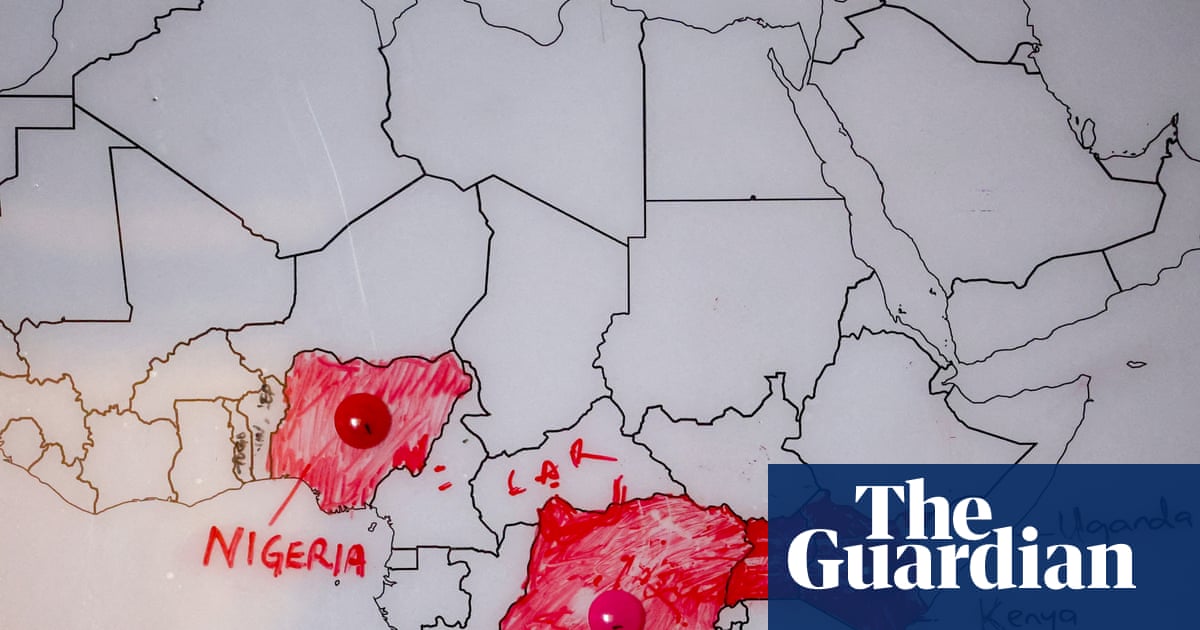
The crisis is centered in the Democratic Republic of the Congo, where the health ministry declared an outbreak in Ituri province in May, though genetic sequencing indicates the virus began circulating as early as February. This event marks the seventeenth Ebola outbreak in the country since the disease was first identified. The strain responsible is the Bundibugyo virus, which has resulted in the largest and most lethal epidemic in the nation’s recorded history. As of late October, total cases have reached 10,091, with 4,887 confirmed fatalities.
The vast majority of infections remain within the Democratic Republic of the Congo, accounting for 10,060 of the reported cases. However, the virus has crossed international borders, spreading to Kenya and Uganda in East Africa. In a significant development last week, Nigeria confirmed its first case in the capital city of Abuja after a woman arriving from Uganda tested positive. This westward expansion underscores the difficulty of containing the pathogen within regional boundaries.
Outside of Africa, France is currently the only non-African country to have recorded a confirmed infection. The case involved a medical professional who returned from the Democratic Republic of the Congo in June. While this single instance has not led to community transmission, it serves as a reminder of how travel can bridge geographic gaps. Health authorities emphasize that Ebola spreads through direct contact with bodily fluids or during funeral rites involving infected remains, making strict containment protocols essential.
Dr. Kaseya drew explicit comparisons between the current Ebola surge and the early phases of the coronavirus pandemic. He noted that many countries initially dismissed the risk of infection only to become hotspots months later. The director general urged global leaders to recognize that while Africa bears the immediate brunt of the health crisis, the situation is fluid. Without coordinated action, other continents could face similar disruptions to their health systems and economies.
Compounding the biological threat are severe logistical and political obstacles on the ground. Response teams in Ituri province have been unable to reach certain populations due to ongoing insecurity and armed conflict. Additionally, healthcare workers have staged strikes over unpaid wages and a critical shortage of protective equipment. Mistrust among local communities, fueled by misinformation and skepticism toward officials, has further impeded testing and treatment efforts.
Financial constraints represent another major barrier to containment. Although governments have pledged approximately $3 billion to support the response, more than $2 billion remains outstanding. African nations have committed $120 million of their own funds, with the remainder expected from international donors such as the United States, the United Kingdom, and the European Union. Kaseya argued that delaying investment now could result in costs reaching trillions if the outbreak spreads globally.
To address these challenges, African health ministers are convening to discuss enhanced cross-border cooperation. The agenda includes implementing screening and testing protocols at entry and exit points for travelers from affected regions. In November, Kaseya plans to meet with African heads of state to advocate for a 'corridor of peace' in conflict zones, allowing aid workers safe passage. He emphasized that the virus does not distinguish between rebels, soldiers, or civilians, requiring a unified approach to protection.
Medical countermeasures are also in development, though no approved treatment currently exists for the Bundibugyo strain. Vaccine trials are underway, with preliminary results expected within three to six months. Until these tools become available, containment relies heavily on traditional public health measures, which are currently strained by resource deficits. The coming months will likely determine whether the outbreak remains contained within Africa or evolves into a broader international emergency.
The situation highlights the interconnected nature of modern health security. While the immediate impact is concentrated in Central and East Africa, the potential for global spread necessitates a proactive rather than reactive stance from international partners. Securing funding, ensuring safe access for medical teams, and building public trust are critical steps to preventing further escalation. The window for effective intervention remains open but is narrowing as case numbers continue to rise.
Sources behind this briefing
Go to the original reporting
- The Guardian World↗Africa’s ‘unprecedented’ Ebola outbreak could reach UK, says top health official