The short version
- Judge Michael Seabright ruled that Bill Essayli is unlawfully serving as the top federal prosecutor in Southern California, disqualifying him from two specific criminal cases.
- The Department of Justice intends to appeal the decision, arguing that the executive branch has the authority to select supervisors within the department.
- The ruling follows a similar appellate court decision in Nevada and mirrors the earlier disqualification of Alina Habba in New Jersey, signaling a broader legal challenge to administration appointment tactics.
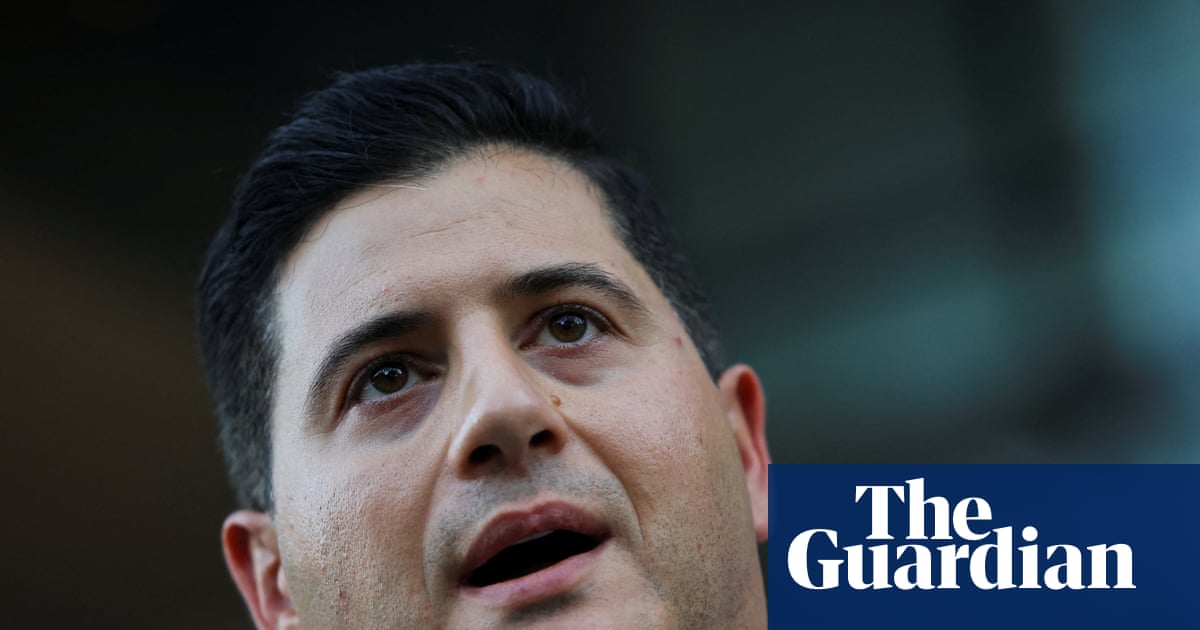
A federal judge in Southern California has ruled that Bill Essayli, the region’s top federal prosecutor, is serving in his role unlawfully. The order effectively disqualifies Essayli from overseeing two ongoing criminal prosecutions where defense attorneys had previously challenged his legal standing. While the ruling marks a significant judicial rebuke of the Trump administration’s appointment methods, it does not take immediate effect. The Department of Justice has announced its intention to appeal the decision, ensuring that the legal battle over Essayli’s authority will continue in higher courts.
The controversy centers on the procedural history of Essayli’s tenure. A former Republican state lawmaker and ally of President Donald Trump, Essayli initially assumed the position as an interim US attorney in April 2025. This appointment allowed him to lead the office without undergoing the standard Senate confirmation process required for permanent nominees. However, his interim status expired last July. Rather than stepping down or seeking formal nomination, the administration retained him by shifting his title to “acting” and later to “first assistant,” despite judicial findings that he was already serving unlawfully in those capacities.
Judge Michael Seabright’s latest order reinforces previous legal challenges to these maneuvers. Citing a recent federal appellate court ruling against a Nevada justice department leader in a similar case, Seabright determined that Essayli’s continued presence in the role violates statutory requirements for US attorney appointments. The judge specified that Essayli can no longer participate in or supervise the two prosecutions at issue. This decision underscores a growing judicial consensus that the administration’s attempts to bypass confirmation procedures through title changes are not legally sustainable.
Essayli has publicly rejected the court’s authority on this matter. In a statement, he asserted that the President and the Attorney General possess the right to select supervisors within the Justice Department. He indicated that the ultimate resolution of this dispute likely rests with the Supreme Court. Until such a final determination is made, Essayli stated his intention to continue serving in his current role. This stance reflects the administration’s broader strategy of maintaining personnel in key positions despite legal challenges.
Defense attorneys have welcomed the ruling as a critical check on executive power. H Dean Steward, a lawyer who challenged Essayli’s position, described the decision as a victory for the rule of law and the US Constitution. He argued that the Trump administration repeatedly violated laws governing the appointment of federal prosecutors in an effort to install loyalists as chief prosecutors. This perspective highlights the constitutional tension at the heart of the case: the balance between executive discretion in managing the Justice Department and statutory mandates for judicial oversight.
This case is part of a larger pattern of legal challenges facing Trump-appointed prosecutors who lack Senate confirmation. In December, Alina Habba, the former personal lawyer to the President, was similarly disqualified from serving as the top prosecutor in New Jersey. Although she was removed from that specific role, she remained on as a senior adviser at the Justice Department. These parallel cases suggest a systematic approach by the administration to retain influence over federal prosecutions even when direct appointment authority is contested.
The practical implications of Essayli’s disqualification extend beyond procedural legality. Over the past year, his office has pursued aggressive legal strategies aligned with the MAGA agenda. These efforts have included targeting immigrants for deportation and prosecuting protesters. Most recently, Essayli launched a campaign alleging widespread voter fraud, claiming that thousands of registered voters in California are likely non-citizens. He has pushed to set aside their ballots, a move that state election officials have forcefully opposed.
The ongoing legal battle over Essayli’s status introduces uncertainty into these high-profile prosecutions. If the Department of Justice’s appeal fails, it could lead to broader scrutiny of cases initiated under his supervision. Conversely, if the administration succeeds in higher courts, it may establish a precedent allowing greater executive flexibility in appointing federal prosecutors without Senate confirmation. The outcome will have lasting implications for the separation of powers and the integrity of federal criminal proceedings.
As the appeal process unfolds, the focus remains on whether the judiciary will uphold statutory requirements for US attorney appointments or defer to executive branch interpretations of supervisory authority. The case exemplifies the intensifying legal conflicts between the Trump administration and the judicial system. It also raises questions about the stability of federal prosecutions led by officials whose appointment legality is under active dispute.
For now, Essayli remains in his position while the appeal is pending. The two specific cases from which he has been disqualified will proceed without his direct oversight, potentially requiring reassignment to other qualified attorneys within the department. This interim arrangement highlights the complex logistical challenges posed by prolonged legal battles over personnel authority. The resolution of this dispute will likely set important precedents for future appointments and the scope of executive power in the Justice Department.
Sources behind this briefing
Go to the original reporting
- The Guardian US↗Federal judge disqualifies Trump-appointed prosecutor for ‘unlawfully serving’ in role