The short version
- U.S. District Judge David O. Carter denied the Trump administration's request to sequester ballots from up to 20,000 voters suspected of being noncitizens.
- The ruling cites significant logistical disruptions and potential disenfranchisement as reasons for rejecting the federal government's emergency motion.
- The Justice Department has announced an immediate appeal, continuing a broader legal strategy targeting election administration in multiple states.
A federal judge in California has rejected a request from the Trump administration to halt the processing of ballots belonging to up to 20,000 individuals alleged to be noncitizens. U.S. District Judge David O. Carter issued the ruling on Wednesday, warning that separating these votes at this stage of the midterm elections would cause severe disruption to the voting process. The decision represents a significant legal setback for the federal government’s efforts to expand oversight of state-run elections ahead of contests that will determine control of Congress.
Judge Carter emphasized that eroding public trust in democratic institutions is an irreparable harm. He argued that once votes are segregated based on unproven allegations, lasting damage occurs to the integrity of the election. The court declined to facilitate a process that could allow the executive branch to discount votes and threaten an ongoing election without concrete evidence of wrongdoing. Carter noted that such actions place democracy in danger by undermining the confidence voters have in the system.
The Justice Department had sued California election officials in mid-October, accusing them of failing to meet a 48-hour deadline to review a list of individuals suspected of being noncitizens on the state’s voter rolls. The federal government sought an order requiring the state to wait before counting these ballots until immigration status could be verified. Prosecutors argued that allowing these votes to be counted without verification would dilute the votes of eligible American citizens and compromise election integrity.
Carter’s order served as a forceful rebuke of these demands, highlighting the logistical impossibility of segregating ballots at this late stage. He noted that requiring counties to develop new methods for sorting ballots would risk disenfranchising an untold number of voters. This approach effectively amounts to purging voters from the rolls, which violates the National Voting Rights Act’s prohibition on changes to voter lists within 90 days of an election. The judge argued that such a move would create a chilling effect on both election workers and voters.
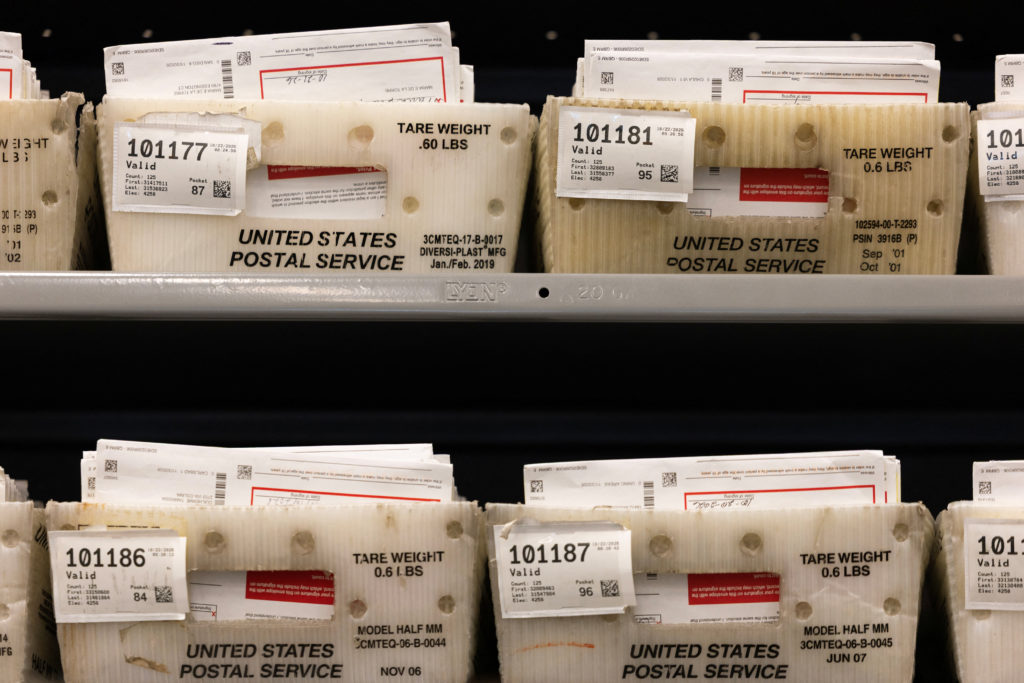
California mails ballots to all 23 million registered voters, making the separation of specific votes particularly complex. Court filings indicate that over 500,000 ballots had already been processed by the time of the ruling, meaning their envelopes had been verified and the ballots removed for counting. Los Angeles county officials testified that it would be virtually impossible to identify which ballot belonged to a particular voter after this processing stage. Carter argued that the federal request would wreak havoc on an election that is already underway.
The judge also rejected the Justice Department’s argument that California was impeding federal law enforcement efforts. He pointed out that prosecutors had already demonstrated their ability to enforce election laws by arresting 28 noncitizens who allegedly voted or registered illegally. Carter previously expressed interest in appointing a special master to vet the government’s data processes but did not establish one in this order, instead focusing on the immediate harm of segregation. His decision underscores the court’s view that existing enforcement mechanisms are sufficient without disrupting the election.
The Justice Department has announced it will immediately appeal the decision, marking its second attempt to challenge the ruling. The first appeal was denied by the 9th Circuit Court of Appeals because it preempted the district court’s decision. Two of the three judges on that panel expressed significant skepticism about the merits of the lawsuit itself. First Assistant U.S. Attorney Bill Essayli defended the administration’s position, arguing that segregating ballots does not prevent them from being counted later but rather preserves the status quo against illegal voting.
This case is part of a broader pattern of federal legal challenges targeting election administration in key states. The Justice Department has made similar requests in Washington state to sequester ballots from hundreds of suspected noncitizens. Additionally, a lawsuit filed in Alaska seeks to delay vote certification if the Republican incumbent does not win the U.S. Senate race. All three states feature House or Senate races that will help determine the balance of power in Congress, highlighting the high stakes involved in these legal battles.
Election law experts view Carter’s ruling as consistent with a broader shift in how courts are handling federal interventions in state election processes. The decision reinforces the principle that states retain primary authority over election administration unless there is clear evidence of widespread fraud or constitutional violations. As the midterm elections proceed, the outcome of this appeal and similar cases will likely shape the legal landscape for future federal-state conflicts over voting rights and election security.
The immediate impact of the ruling is that California will continue processing ballots without interruption. Election officials can proceed with counting votes from all registered voters, including those on the list provided by the Justice Department. The focus now shifts to the appellate courts, where the legal arguments regarding federal authority versus state autonomy in election administration will be further tested. The outcome could have lasting implications for how future elections are managed and contested.
Sources behind this briefing
Go to the original reporting
- PBS NewsHour↗Judge denies federal request to segregate California ballots, says it would 'wreak havoc' on voting