The short version
- The Ninth Circuit Court of Appeals ruled against the Trump administration's attempt to stop California from counting ballots for 20,000 voters identified as non-citizens.
- State officials and local election administrators have challenged the accuracy of the federal list, noting that sample checks revealed many flagged individuals were born in the United States.
- The decision represents a significant legal setback for federal efforts to intervene in state election administration during the upcoming midterm cycle.
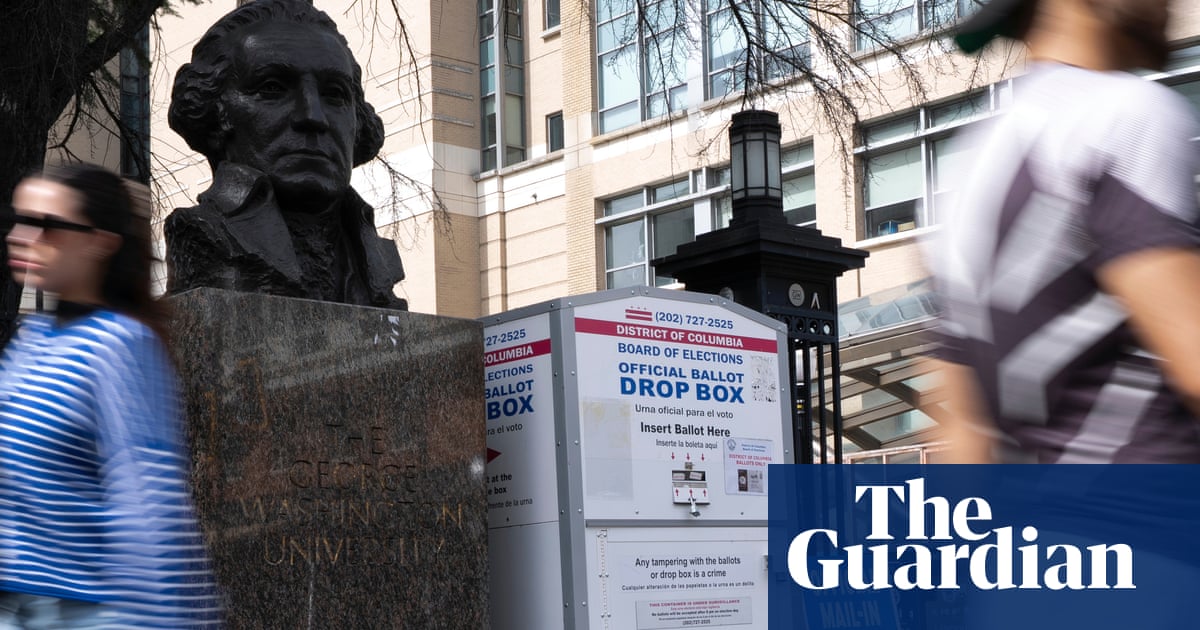
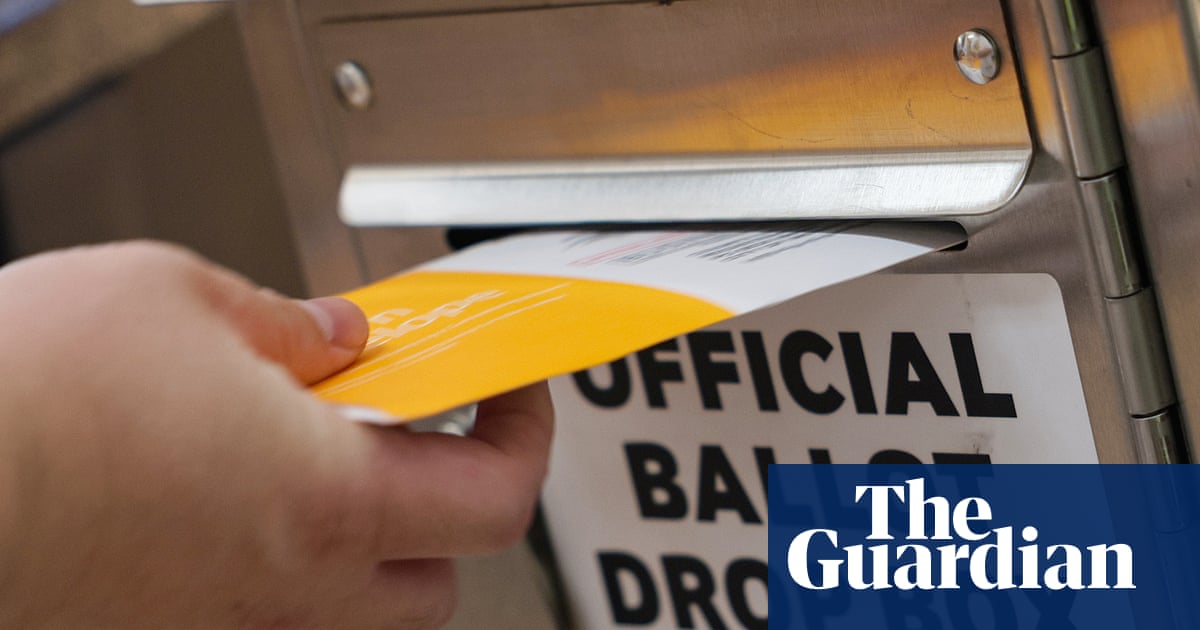
A federal appeals court has blocked the Trump administration’s attempt to prevent California from counting ballots cast by thousands of registered voters whom the Justice Department alleges are non-citizens. The ruling, issued on Monday by a divided panel at the U.S. Court of Appeals for the Ninth Circuit in San Francisco, denied the executive branch’s demand that state election officials segregate these specific ballots until citizenship could be independently verified. This decision halts a last-minute legal maneuver that sought to impose a 48-hour deadline on California authorities to separate the votes, a directive that state officials had already refused to follow.
The dispute centers on a list of approximately 20,000 registered voters in California that federal prosecutors claim are ineligible to vote because they lack U.S. citizenship. The Justice Department argued that these ballots should be set aside pending verification, effectively removing them from the immediate count. However, the court rejected this intervention, marking a notable defeat for the administration’s broader strategy to assert greater federal oversight over state-run election processes in the lead-up to the November midterm elections. Voting rights advocates and Democratic lawmakers have characterized the federal move as an effort to manufacture doubt about the integrity of the upcoming vote results.
Significant questions remain regarding the methodology and accuracy behind the federal government’s identification of these voters. Court documents submitted recently indicate that Los Angeles election officials conducted a review of a sample group drawn from the Justice Department’s list. Their analysis suggested that a substantial portion of the individuals flagged as non-citizens were, in fact, born in the United States. This discrepancy has fueled skepticism among state authorities about the reliability of the data provided by federal investigators.
California Secretary of State Shirley Weber has been vocal in her criticism of the federal allegations, describing them as vague and lacking substantive proof. In correspondence earlier this month, Weber noted that the Justice Department failed to provide the underlying data or analytical methods used to compile the list of 20,000 names. She also referenced a separate claim from the Department of Homeland Security earlier in the year, which suggested that up to 190,000 registered voters in the state might be non-citizens. Weber pointed out that no further details or evidence were ever offered to support that much larger figure.
The legal conflict is part of a wider escalation between California’s government and the Trump administration. Earlier this month, federal prosecutors filed criminal charges against 28 green-card holders in the state for alleged voter fraud. Court records indicate that several of those charged appeared confused about their voting eligibility and had agreed to voluntary interviews with investigators. Critics argue that these prosecutions are being used as leverage to intimidate voters and cast a shadow over the electoral process, rather than addressing genuine instances of criminal activity.
State leaders have framed the court’s decision as a defense of democratic norms against executive overreach. California Attorney General Rob Bonta praised the ruling as a victory for voting rights and a rejection of unlawful federal interference. Governor Gavin Newsom issued a statement accusing President Trump of launching an assault on democracy, describing the administration’s actions as attacks on the Constitution. Newsom characterized the court’s intervention as a necessary obstacle to what he termed disgusting efforts to undermine public trust in the electoral system.
President Trump has actively encouraged his supporters to report potential voter fraud in the midterm elections. On Monday, he announced a $1 million reward for any information leading to an arrest or conviction related to election irregularities. This incentive program aligns with his long-standing claims that non-citizen voting is widespread and threatens electoral integrity. However, independent experts and historical data consistently show that non-citizen voting is exceedingly rare in the United States, contradicting the narrative promoted by the administration.
The ruling does not resolve the underlying tensions between federal and state authorities regarding election oversight. While the immediate threat to the counting of these specific ballots has been removed, the Justice Department may pursue other legal avenues or continue its investigations into voter eligibility. The incident highlights the growing polarization surrounding election administration and the challenges faced by states in defending their processes against federal scrutiny. As the midterm elections approach, the focus will likely shift to how these legal battles influence public confidence and voter participation.
Observers note that the Ninth Circuit’s decision reinforces the traditional role of states in managing their own elections. By rejecting the demand to segregate ballots without clear evidence of wrongdoing, the court upheld the principle that election officials should not be forced to alter standard procedures based on unverified federal claims. This precedent may influence similar disputes in other jurisdictions where federal authorities attempt to intervene in local election operations. The outcome underscores the importance of due process and evidentiary standards in protecting both electoral integrity and individual voting rights.
In the coming weeks, attention will turn to the actual counting of ballots and the certification of results. State election officials have maintained that their processes are secure and compliant with federal law. The controversy surrounding the 20,000 flagged voters serves as a reminder of the complex legal landscape surrounding elections in the United States. As voting continues, stakeholders will monitor whether further legal challenges emerge or if the current ruling stands as a definitive check on federal intervention efforts.
Sources behind this briefing
Go to the original reporting
- The Guardian World↗Court blocks bid by Trump DoJ to stop California from counting mail-in ballots