The short version
- Giamanco regrets not arriving sooner to prevent all casualties during the attack on October 15.
- Police credit Giamanco and an unidentified teacher with stopping the gunman before more harm occurred.
- The incident resulted in four deaths and multiple injuries at the Bend elementary school.
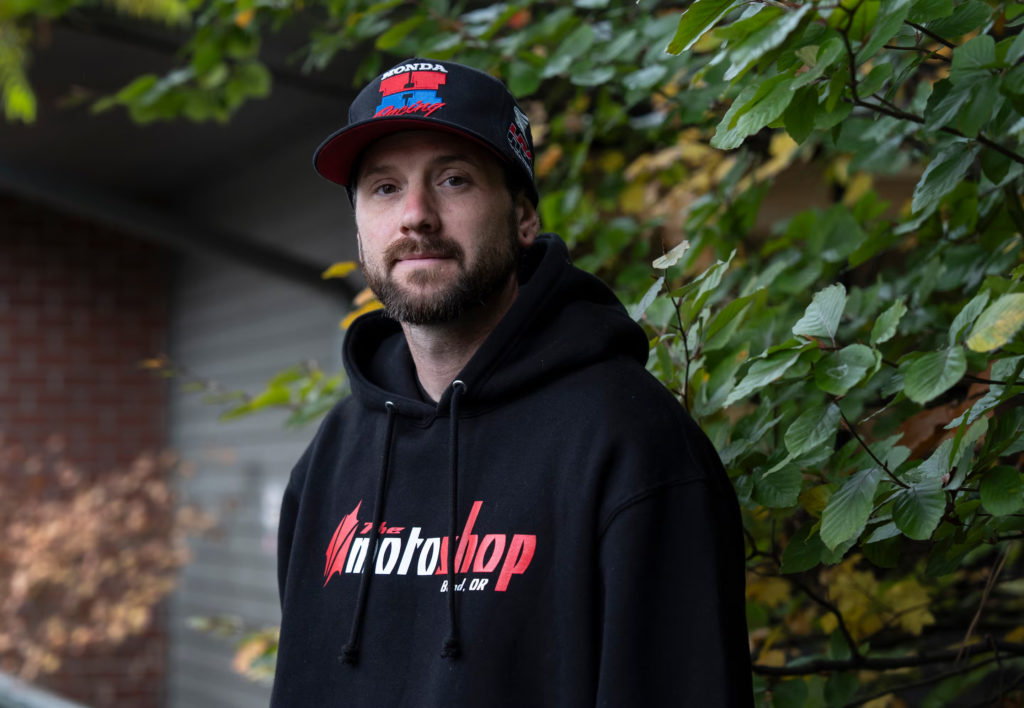
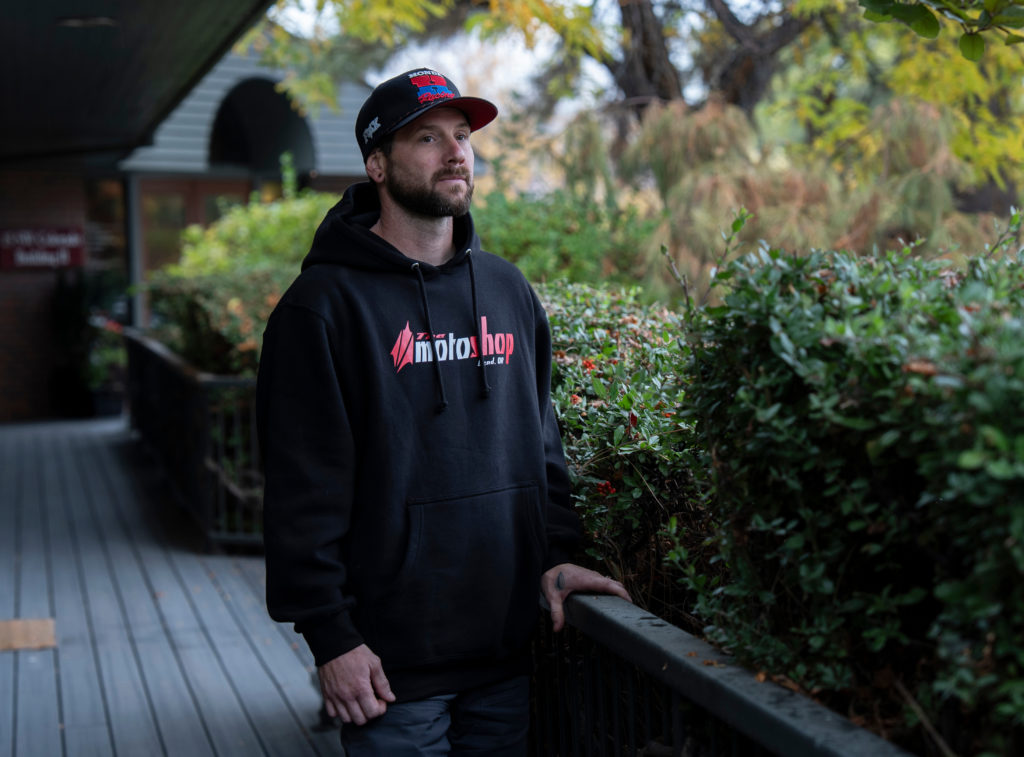
Kaylub Giamanco, the Oregon resident who fatally shot a teenage gunman during a deadly rampage at Silver Rail Elementary School last week, has spoken publicly about his actions. In an interview with Oregon Public Broadcasting, the 36-year-old carpenter described himself as the children's final barrier against further violence. He expressed deep sorrow over the families of those who died, stating that he feels he failed to save them all despite stopping the attacker.
The attack occurred on October 15 in Bend, Oregon. Griffin J. John II, a 16-year-old former student at the school, used a shotgun to breach locked doors and enter a special needs classroom. The violence resulted in the deaths of three children, aged five, eight, and eleven, as well as one teacher. Another student was critically injured, and a second teacher suffered injuries requiring hospitalization.
Giamanco had dropped off his two daughters at the school that morning before heading to work. While driving home for lunch, he passed the school again and witnessed someone dressed in black firing a long gun at a pickup truck and a person mowing the lawn. Realizing the threat was moving toward the school building, Giamanco retrieved a .40-caliber handgun from his vehicle's center console.
He contacted emergency services to report the incident before proceeding on foot. Giamanco recounted crawling across the ground on his stomach as he approached the building, hearing children pleading for their lives and the sound of gunfire. He described feeling a sense of panic but resolved to enter the school, believing that people would die if he did not intervene.
Upon reaching the building, Giamanco entered through a window that had been shattered by gunfire. Inside, he observed an unidentified teacher grappling with the shooter. This struggle provided Giamanco with a clear angle to fire his weapon. He opened the door and shot the gunman, causing both the attacker and the teacher to fall to the floor.
The teacher involved in the struggle fled the room while the shooter attempted to retrieve his shotgun. Giamanco fired two additional shots to ensure the gunman could not move or harm others. Police have confirmed that Giamanco was legally carrying his firearm in his truck. Authorities have credited both Giamanco and the unarmed teacher who initially confronted the shooter with preventing further loss of life.
Another teacher present in the classroom, Becky Drury, provided a statement describing her experience. She reported being struck at close range by a shotgun blast that nearly severed her left hand. After the initial attack, she lay on the floor and played dead until the situation was resolved. The identity of the teacher who wrestled with the gunman has not been made public.
Giamanco reflected on the moral weight of taking a life, noting that he feels his presence was necessary to alter the outcome. He acknowledged the gratitude expressed by families whose children were saved but emphasized that his primary emotion is regret for those who did not survive. President Donald Trump praised Giamanco as a hero who handled the situation effectively.
The incident highlights the complex dynamics of civilian intervention during mass shootings. While Giamanco's actions are credited with ending the immediate threat, the tragedy underscores the devastating impact on the school community. The families of the victims continue to mourn their losses, and the broader implications of the event remain under review by local authorities.
Giamanco's account provides a detailed perspective on the sequence of events leading up to the shooter's death. His description of crawling toward the building and hearing children in distress illustrates the urgency he felt. The collaboration between his intervention and the teacher's resistance appears to have been critical in limiting the scope of the violence.
Sources behind this briefing
Go to the original reporting
- PBS NewsHour↗Oregon father who killed school shooter says he regrets there were children he didn't save