The short version
- Nigel Farage missed the chancellor's budget presentation, citing fears of a physical altercation stemming from a dispute over seat reservations in the House of Commons.
- The Reform UK leader expressed shock at the scale of new aid for Ukraine and reiterated his party's stance on reducing capital gains taxes for cryptocurrency investors.
- Farage drew parallels between current fiscal measures and the 2022 budget under Liz Truss, arguing that radical spending cuts are necessary to enable tax reductions.
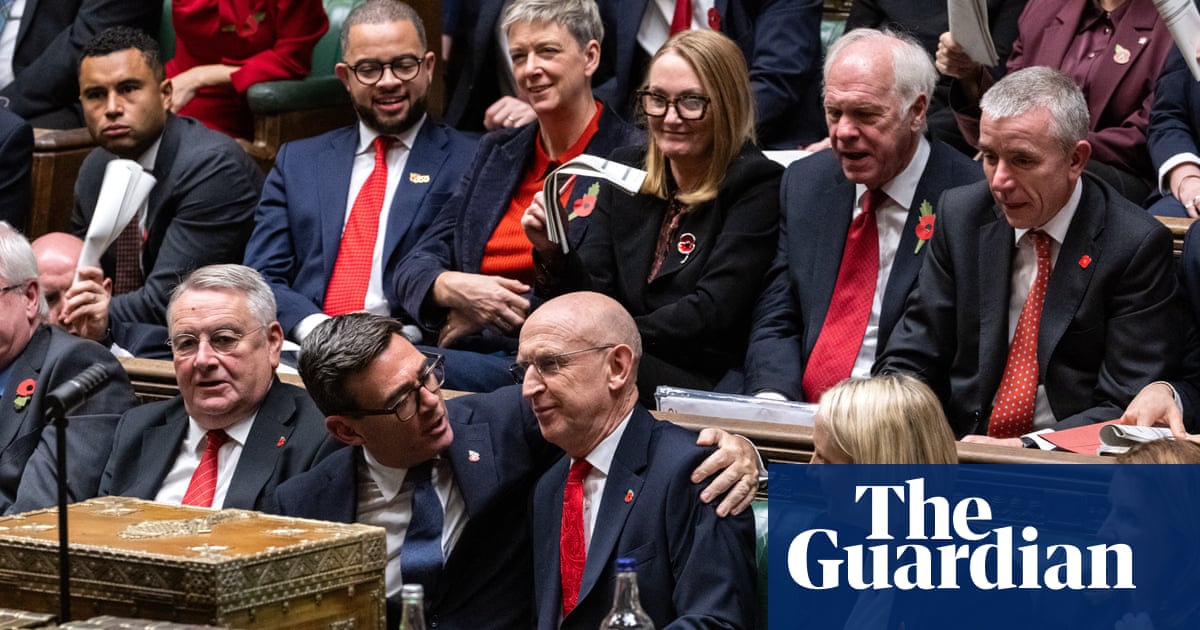
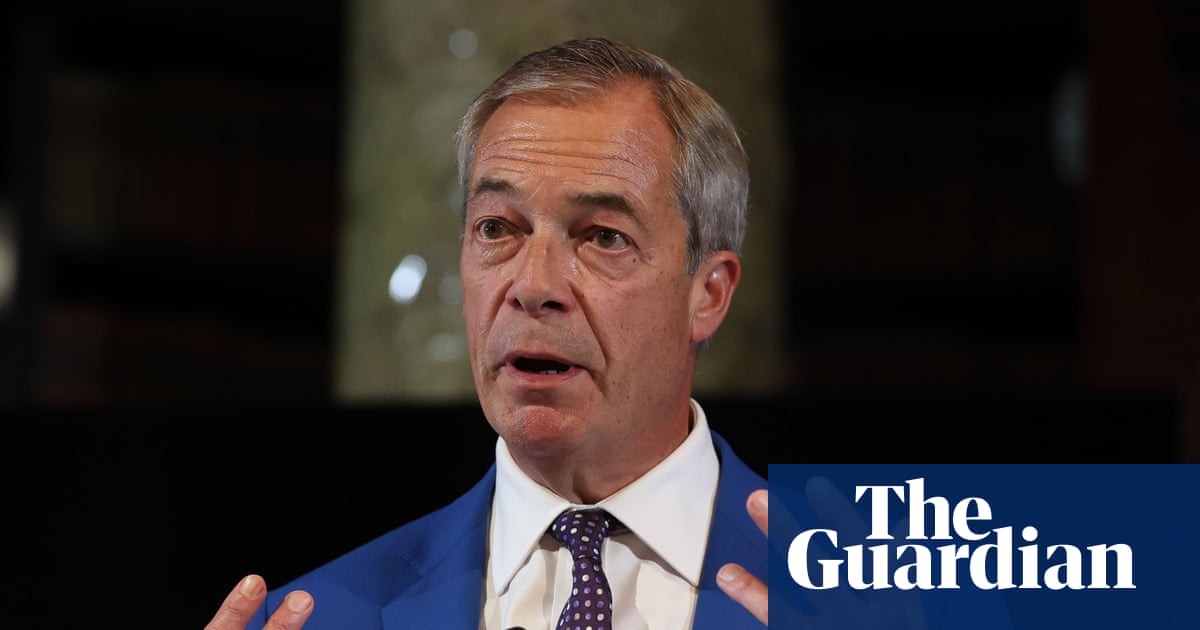
Nigel Farage, leader of Reform UK, was absent from the House of Commons during Chancellor John Healey’s first budget presentation. The decision to skip the proceedings was attributed by Farage to concerns about a potential physical confrontation with another member of parliament regarding seating arrangements. Rather than attending the chamber, he held a press conference alongside Robert Jenrick, his party’s Treasury spokesperson, to outline his response to the fiscal measures and explain his absence.
The dispute centered on a green paper slip, known as a prayer card, which Farage claimed had been removed from his reserved seat. He stated that this removal signaled an impending conflict, referencing a previous incident during the state opening of parliament where he was involved in a physical altercation with another MP. Farage noted that he had not complained about the earlier incident but chose to avoid a repeat scenario by staying away from the chamber entirely.
House of Commons officials clarified that the seat reservation was removed because it lacked a valid date stamp, consistent with established protocols for reserving seats in the chamber. A spokesperson emphasized that members must use prayer cards displaying current dates to secure their places, and the card in question did not meet this requirement. This administrative detail stands in contrast to Farage’s characterization of the event as a targeted provocation leading to potential violence.
In his policy response, Farage focused heavily on the chancellor’s pledge of £10 billion in support for Ukraine. He described himself as shocked by the magnitude of the aid package, expressing deep concern that the funds might be mismanaged or absorbed by corruption within Ukrainian institutions. While he did not object to the amount itself, he stressed the need for absolute assurance that the money would be used effectively and not enrich officials further.
Farage also addressed his party’s position on cryptocurrency taxation, doubling down on proposals to cut capital gains tax rates for digital assets. He argued that a reduced tax rate of 10% would incentivize investors to enter the regulated system rather than operating offshore or through unregulated channels. Despite questions about whether this policy primarily benefits large donors associated with his party, Farage maintained that the measure is designed to bring the industry into the open and foster a new regulated sector.
The Reform leader offered a critical assessment of the budget’s broader implications, suggesting that the small giveaways included in the plan indicated an upcoming general election as early as May next year. He stated that Reform UK would be prepared for an election even sooner, potentially in December. Farage also criticized the increased taxation on gambling shops through higher machine-games duty, warning that such measures could harm the horse-racing industry and drive gambling activities toward offshore jurisdictions or crypto-based platforms.
Reflecting on past fiscal policies, Farage compared Healey’s budget to the controversial 2022 budget introduced by Liz Truss, which contributed to her rapid departure as prime minister. While he previously praised aspects of the Truss budget, he acknowledged that its failure stemmed from a lack of radical spending cuts. He argued that had the government reduced expenditure significantly, tax cuts could have been sustainable, marking a key lesson for future fiscal strategies.
Farage also touched on recent legal developments involving far-right figures, commenting on Tommy Robinson’s conviction for harassing journalists. He condemned Robinson’s behavior as wrong but suggested that admiration for such figures among Reform UK members should not be equated with active support for their causes. He emphasized that liking social media content does not necessarily translate into participation in marches or broader political activism, drawing a distinction between passive sympathy and active engagement.
Sources behind this briefing
Go to the original reporting
- The Guardian World↗Nigel Farage skips budget in Commons over seating ‘altercation’ concerns