The short version
- The European Union has appointed Jukka Salovaara as its new ambassador to the UK, positioning him to facilitate discussions as the Burnham government evaluates all options for future ties.
- Immediate diplomatic efforts are concentrating on practical issues such as aligning food standards, linking carbon trading schemes, and resolving disagreements over youth mobility quotas.
- While Brussels remains ready to engage, it insists that the United Kingdom must first define its desired level of integration, ranging from full membership to novel associate status models.
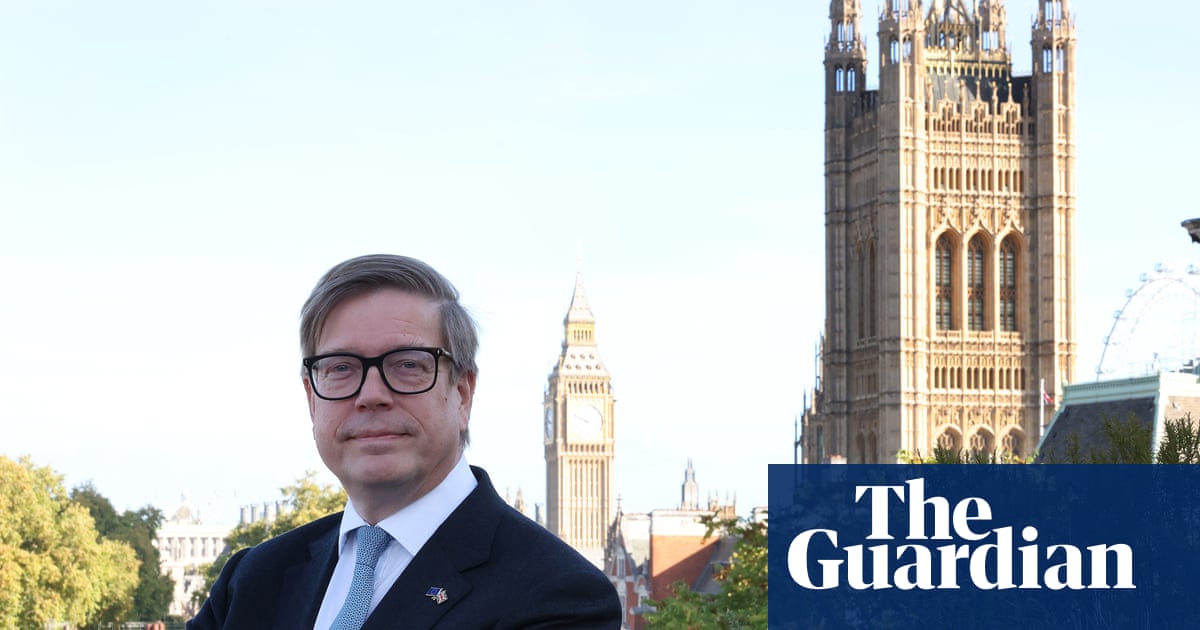
The European Union has signaled a willingness to reset its relationship with the United Kingdom, placing the onus on London to determine the scope and nature of future cooperation. Jukka Salovaara, the newly appointed EU ambassador to the UK, described his role as that of a facilitator who will remain close to negotiations without sitting directly at the table. His primary task involves testing boundaries between Brussels and London to identify viable pathways forward, ensuring that both sides understand each other’s positions clearly.
This diplomatic shift coincides with a broader reassessment by the Andy Burnham government, which has moved away from the incremental approach favored by its predecessor. Unlike previous administrations that accepted the status quo, the current leadership has stated that existing arrangements are insufficient and that all options, including full rejoining of the bloc, must be considered before the next election manifesto is finalized. This openness marks a significant departure from recent political caution regarding European integration.
Salovaara, who previously served in London during the mid-1990s, draws parallels between the current moment and the optimistic era of Cool Britannia. He recalls a time when global trade expansion and interdependence were viewed as sources of security and stability. Although he notes that the Labour government of that period came close to adopting the euro, he emphasizes that the UK remains the EU’s foremost partner. Historical agreements between the two entities have consistently yielded mutual benefits, providing a foundation for renewed engagement.
The first summit under this new framework is scheduled for November, though certain high-profile issues will not be on the agenda. Specifically, decisions regarding how UK traders can avoid being impacted by EU measures against subsidized Chinese products are deferred because Brussels has not yet completed its own legislative proposals. Instead, the initial discussions will focus on areas where immediate progress is possible, such as food standards, security cooperation, and youth mobility programs.
Regulatory alignment in the food sector presents a clear opportunity for reducing bureaucratic friction. Salovaara highlighted that common standards eliminate the need for border checks, which would benefit both economies significantly. Approximately 60% of UK food exports go to the EU market, while 70% of imports originate from there. Streamlining these processes could reduce red tape and enhance trade efficiency, offering tangible economic advantages without requiring major political concessions.
Youth mobility remains a contentious point in ongoing negotiations. The UK has initially proposed allowing 50,000 young people aged 18 to 30 to participate in an experience scheme annually. However, EU officials are advocating for a substantially higher quota of 150,000 participants. Discussions continue regarding the specific rights these individuals would enjoy, including permissions to work and study. The disparity in proposed numbers underscores the differing priorities and expectations held by each side.
Beyond immediate practicalities, the long-term structure of the relationship remains undefined. Salovaara noted that Brussels will not impose a collective opinion on the UK but will wait for London to articulate its preferences. Options range from joining the single market or customs union to more innovative arrangements like associate membership, similar to proposals being considered for Canada. Another model suggests partial integration where countries join the EU without full market access rights initially, earning them over time through commitments to democratic standards.
The path forward requires careful navigation of political consensus within the UK. Experts suggest that full rejoining would likely require broad domestic agreement, potentially demonstrated through a referendum. Salovaara acknowledged that fundamental changes usually necessitate strong public support but stopped short of prescribing how that consensus should be achieved. As Norway’s evolving relationship with the EU demonstrates, economic ties often deepen into broader political partnerships, suggesting that whatever framework emerges will likely expand beyond purely transactional terms.
Sources behind this briefing
Go to the original reporting
- The Guardian World↗Ball in UK’s court: EU ambassador says Brussels will be ‘ready to engage‘ after country decides what it wants