The short version
- The FBI arrested Wanying Zhang at LAX, charging her with acting as an unregistered foreign agent while surveilling the son of Taiwan’s president.
- Taiwanese officials condemned the alleged actions as a violation of sovereignty and human rights, thanking the US for its intervention.
- The case highlights ongoing geopolitical friction between Washington and Beijing regarding Taiwan’s status and the safety of its diaspora.
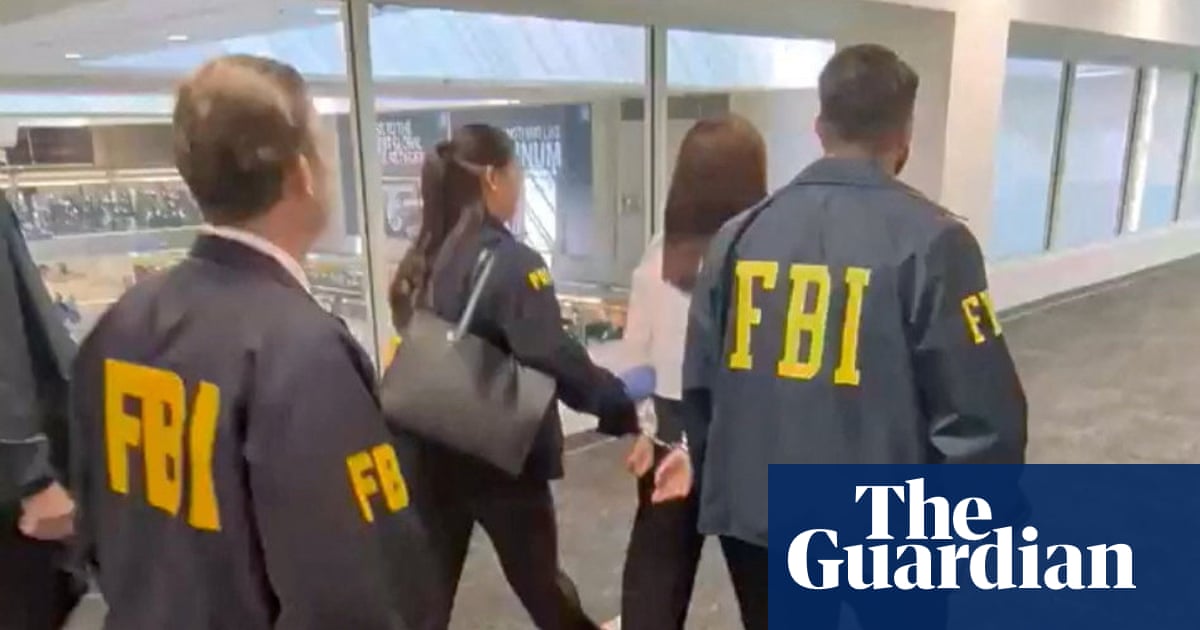
Federal authorities have arrested a California resident on charges related to espionage activities allegedly conducted at the direction of Chinese officials. The FBI detained Wanying Zhang, also known as Heather, at Los Angeles International Airport on Sunday just before she was scheduled to depart for China. Prosecutors in the Central District of California charged the 34-year-old Irvine resident with acting as an unregistered foreign agent, marking a significant escalation in enforcement actions against individuals suspected of facilitating Beijing’s intelligence operations on US soil.
According to the Justice Department, Zhang traveled to Seattle in 2025 under instructions from Chinese officials. During this trip, she allegedly gathered sensitive information about Lai Ting-yu, the son of Taiwanese President Lai Ching-te. The evidence presented by authorities includes photographs, video recordings, and license plate data concerning Lai Ting-yu and his family members. Although the FBI did not initially name the target in its public statement, subsequent reporting identified him as a US resident, underscoring the reach of these alleged surveillance efforts into American communities.
Bill Essayli, the first assistant US attorney for the Central District of California, stated that Zhang employed specific tradecraft to evade detection. He emphasized that she failed to notify Washington authorities that she was acting on behalf of a foreign government, which is a legal requirement under the Foreign Agents Registration Act. The prosecution alleges that her actions were coordinated and deliberate, aimed at extracting private information from a high-profile political figure’s family without proper disclosure or authorization.
The arrest has drawn sharp condemnation from Taiwan’s presidential office, which characterized the incident as a typical example of transnational repression. Spokesperson Karen Kuo issued a statement expressing strong disapproval of what she described as barbaric conduct that disregards both human rights and national sovereignty. The Taiwanese government thanked the United States for its role in protecting citizens abroad, highlighting the diplomatic significance of the case beyond the immediate legal proceedings.
China’s foreign ministry did not respond to requests for comment regarding the allegations. This silence is notable given the broader context of strained relations between Beijing and Washington over Taiwan. Chinese officials frequently assert that Taiwan is an inseparable part of China and view any support for its separate identity as interference in internal affairs. The lack of a public response may reflect diplomatic caution or a strategy to avoid legitimizing the accusations through engagement.
President Lai Ching-te and his Democratic Progressive Party have long championed Taiwan’s distinct identity from mainland China, a stance that consistently provokes anger in Beijing. Lai maintains that only the people of Taiwan should determine their future, rejecting narratives that frame the island as merely a province of China. This ideological divide underpins much of the tension in cross-strait relations and explains why family members of Taiwanese leaders might become targets for surveillance or intimidation campaigns orchestrated by hostile actors.
While the United States does not maintain formal diplomatic ties with Taiwan, it remains the island’s most crucial international supporter and primary supplier of defensive weapons. This unofficial but robust relationship creates a complex dynamic where US law enforcement must navigate sensitive geopolitical waters when prosecuting cases involving Chinese intelligence activities. The arrest of Zhang signals a willingness among federal agencies to pursue individuals who exploit American freedoms to conduct espionage against allied nations’ leaders.
Zhang is scheduled to appear in federal court in Los Angeles on Monday, though it remains unclear whether she has retained legal counsel. The upcoming proceedings will likely involve detailed examinations of the evidence collected during her time in Seattle and the extent of her coordination with Chinese officials. Legal experts note that cases involving unregistered foreign agents can be complex, requiring prosecutors to prove intent and direct links to foreign governments beyond reasonable doubt.
This case adds to a growing list of incidents where US authorities have intervened to stop alleged Chinese espionage operations targeting political figures and their families. It underscores the challenges faced by democracies in protecting individuals from extraterritorial intimidation while respecting civil liberties. As global tensions rise, such arrests serve as reminders of the invisible battles fought over information security and national sovereignty.
Observers will watch closely to see how this case develops and whether it leads to broader investigations into other potential networks operating within the United States. The outcome could influence future policies regarding visa restrictions, surveillance monitoring, and international cooperation on counterintelligence matters. For now, the arrest stands as a concrete example of the risks faced by prominent figures in regions contested by major powers.
Sources behind this briefing
Go to the original reporting
- The Guardian World↗California woman arrested and accused of spying on Taiwan president’s son for China