The short version
- The Singapore-flagged container ship GFS Pride sank after being struck by a projectile, while another vessel, Cape Dao, is also reported sinking following earlier damage.
- Iranian officials claim the sunken ship hit a mine on an unauthorized route, but maritime monitors attribute the damage to unidentified projectiles amid a deliberate increase in attack tempo.
- Analysts suggest Iran aims to disrupt oil shipments and influence US midterm election outcomes by preventing a drop in global fuel prices.
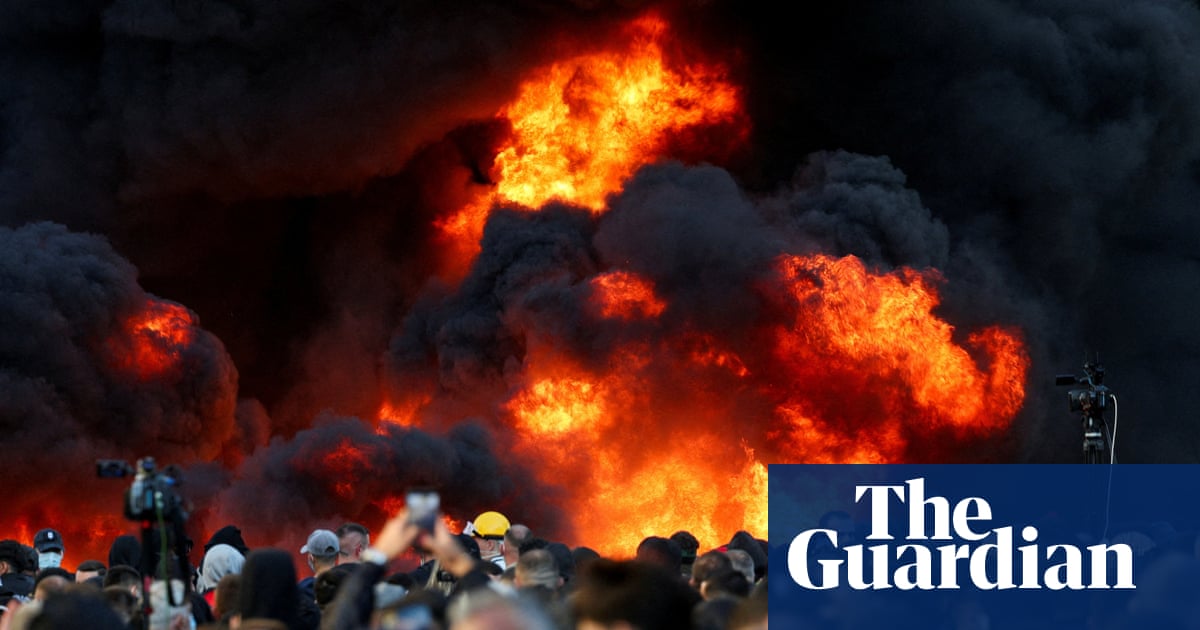
A significant escalation in hostilities within the Strait of Hormuz has resulted in the loss of at least one major commercial vessel and the reported sinking of another, marking a sharp intensification of Iranian attacks on maritime traffic. The Singapore-flagged container ship GFS Pride went down near the strategic waterway after sustaining damage from an unknown projectile during transit. Authorities confirmed that all twenty-one crew members were evacuated safely, though the incident underscores the growing danger for commercial shipping in the region.
Simultaneously, reports indicate that the Antigua and Barbuda-flagged bulk carrier Cape Dao is also sinking. This vessel had previously been struck by a projectile on September 23, resulting in the death of one seafarer when the bridge and accommodation areas were hit. An unsuccessful rescue attempt preceded the current status of the ship, which maritime risk management groups say is now lost. These incidents occur against a backdrop of heightened violence, with monitoring agencies recording multiple strikes on tankers and cargo ships in recent days.
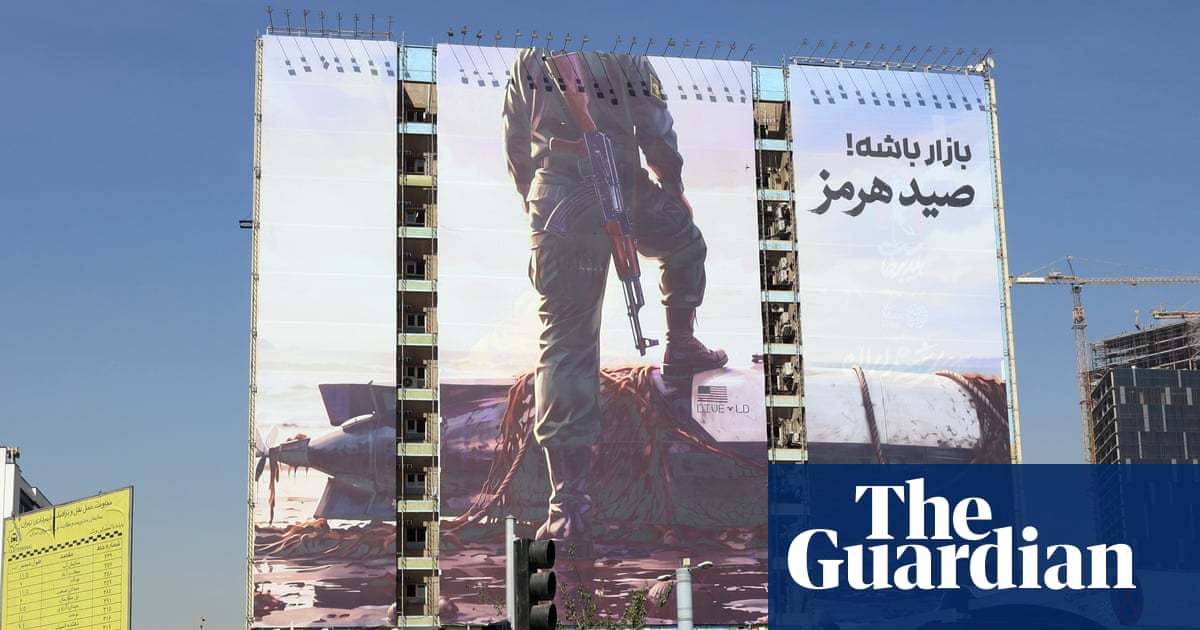
Conflicting narratives have emerged regarding the cause of the GFS Pride sinking. Iranian state media, citing the Islamic Revolutionary Guard Corps, asserted that the vessel struck a naval mine while attempting to navigate an unauthorized and dangerous route through the strait. However, maritime security sources and the United Kingdom Maritime Trade Operations agency suggest the ship was hit by unidentified projectiles. This discrepancy highlights the ongoing dispute over navigation rights, with Iran insisting on control over transit routes while US forces guide ships along a southern path closer to Oman’s coast.
The frequency of these attacks has increased markedly in recent weeks. Data from UK maritime monitors shows at least five incidents involving drone strikes and other assaults on commercial vessels in a single forty-eight-hour period. Broader analysis indicates that twenty-four ships were hit in the two weeks leading up to mid-October, including several crude oil and refined energy product tankers. This surge in violence appears deliberate, aimed at demonstrating Iran’s capacity to disrupt global trade flows despite previous diplomatic efforts.
Strategic motivations behind this escalation appear linked to political timing in the United States. Iranian officials have indicated that the new tactics are designed to frustrate efforts by Washington and its allies to lower global oil prices ahead of the US midterm elections on November 3. With fuel prices having risen significantly since the start of the conflict between the US, Israel, and Iran, Republican lawmakers face potential electoral backlash if energy costs remain high. By targeting shipping lanes, Tehran seeks to maintain economic pressure that could influence voter sentiment.
Tactical changes have also been observed in how Iranian forces identify and engage targets. Following the degradation of Iranian radar capabilities by US military operations, the Revolutionary Guard has reportedly begun using unarmed spotters in small boats to locate potential targets, including American naval vessels. In one recent incident, US forces confronted a dhow suspected of serving as a spotting platform, ordering occupants to abandon ship before destroying it. No casualties were reported in that engagement, but it illustrates the evolving nature of asymmetric warfare in the region.
The broader context involves a fragile and collapsed peace process. Although a preliminary agreement was reached in June to end hostilities and reopen the strait, it fell apart within weeks as Iranian attacks resumed and the US reinstated its naval blockade. Iran has maintained that it will not relinquish control over the waterway, specifically targeting vessels using the southern route through Omani waters. Despite these challenges, crude exports through the strait had risen to approximately eighty percent of pre-war levels last month, suggesting some resilience in supply chains even amid persistent threats.
Looking ahead, the situation remains volatile with significant implications for global energy markets. The International Maritime Organization has recorded over one hundred confirmed incidents since the conflict began in February, resulting in at least twenty-four seafarer deaths. With no clear diplomatic resolution in sight and military tensions escalating, the risk of further disruptions to oil shipments persists. Market participants and policymakers are closely monitoring developments as the US election approaches, aware that any prolonged closure or severe restriction of the strait could have profound economic consequences.
Sources behind this briefing
Go to the original reporting
- The Guardian World↗Container ship sinks near strait of Hormuz amid surge in Iranian attacks
- BBC World↗Container ship hit by projectile sinks in Strait of Hormuz, Singapore says