The short version
- Volodymyr Zelenskyy announced the resumption of strikes on Russian oil facilities after a brief pause intended to signal readiness for peace negotiations.
- Moscow launched a massive drone assault on central Ukrainian infrastructure while simultaneously denying responsibility for fires at a Ryazan refinery, blaming anti-aircraft debris instead.
- Two chemical tankers were struck by drones in Romanian territorial waters, raising alarms about the expanding threat to commercial shipping and regional safety.
The diplomatic effort to establish a pause in attacks on energy infrastructure between Russia and Ukraine has effectively ended. The initiative, which was announced unilaterally by US President Donald Trump last week, collapsed as both sides returned to aggressive military operations. Moscow deployed a record number of drones against targets in central Ukraine, while Kyiv signaled it would no longer hold back from striking Russian oil refineries. This breakdown marks a significant shift in the conflict’s trajectory, moving away from tentative de-escalation attempts and back toward intensified hostilities.
President Volodymyr Zelenskyy confirmed that the temporary halt on refinery attacks was over. He had initially agreed to pause these strikes to demonstrate Ukraine’s willingness to engage in peace talks. However, he stated that the block is now removed and that Ukraine is done with the restriction. This decision comes amid growing frustration with what Kyiv perceives as uneven pressure from Washington. Zelenskyy criticized gaps in US intelligence sharing, describing them as dangerous for Ukrainian forces on the ground.
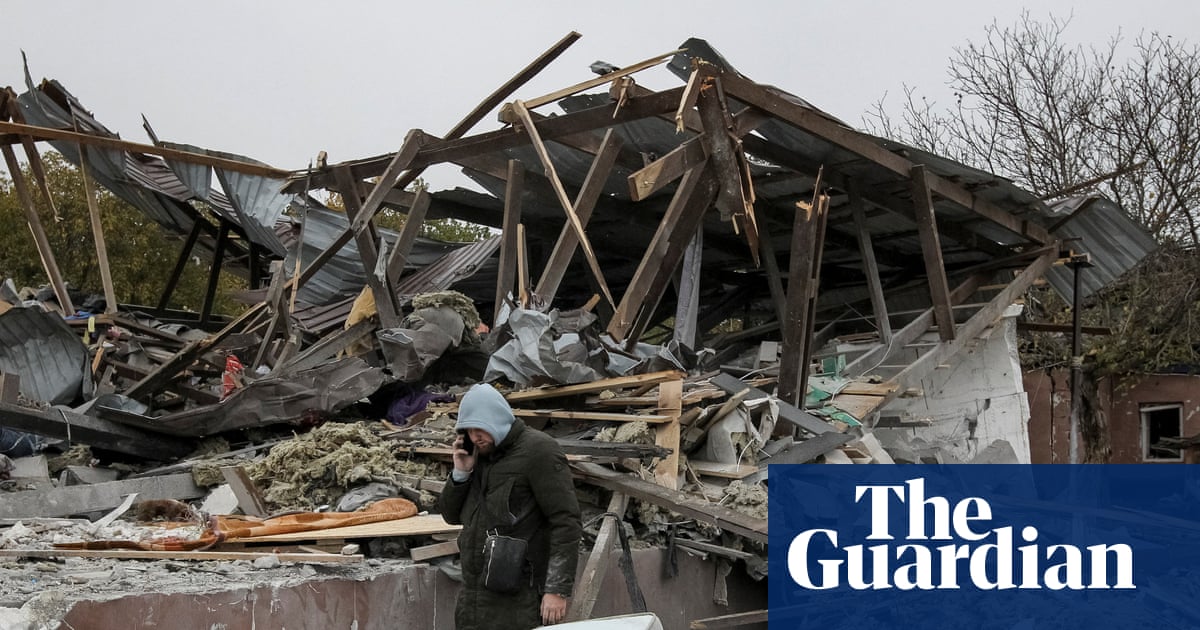
In response to the resumption of hostilities, Russian forces launched a massive aerial campaign against Ukraine. More than 360 drones targeted the Kirovohrad region, an area in central Ukraine that had previously seen less intense bombardment compared to regions closer to the front lines. The attacks resulted in three deaths and six injuries. Regional officials reported that critical infrastructure, including transport enterprises and logistics facilities, was deliberately hit. Residential homes were also damaged, underscoring the broad scope of the assault.
Simultaneously, Ukraine carried out strikes on Russian territory. Kyiv claimed responsibility for hitting a refinery in the Ryazan region using 69 drones and four cruise missiles. Images showed flames engulfing parts of the facility. However, Moscow disputed this account, asserting that the fire was caused by debris from a drone shot down by anti-aircraft fire, rather than a direct Ukrainian strike. This discrepancy highlights the ongoing challenges in verifying battlefield claims amidst active combat.
The conflict has also spilled over into neighboring waters, raising serious concerns about regional stability. Two Russian drones violated Romanian airspace and struck two chemical tankers at the mouth of the Danube River. The ships caught fire, and rescue crews are searching for at least seven missing sailors. Romanian President Nicușor Dan condemned the incident, noting that commercial ships are being attacked and sunk near the shores of Romania and Bulgaria. He emphasized that this situation is unacceptable and must stop.
US officials have attempted to manage the fallout from the collapsing ceasefire. British Defence Secretary Wes Streeting stated he was reassured by his US counterpart, Pete Hegseth, that access to Starlink communications systems had been restored for Ukrainian forces. Previously, there were reports of disruptions to these vital mobile internet terminals, which Zelenskyy linked to artificial restrictions on Ukraine’s defensive capabilities. While the immediate technical issue appears resolved, the underlying tensions between Washington and Kyiv remain unresolved.
Zelenskyy accused Russia of escalating attacks after receiving sanctions relief and observing attempts to pressure Ukraine into concessions. He called for honesty from international partners, urging them to stand with efforts to protect lives and end the war rather than supporting the aggressor. The White House had previously threatened to cut arms deliveries and halt intelligence sharing if Ukraine did not comply with demands to stop attacking Russian oil facilities. These threats appear to have been partially enacted, as Ukrainian forces reported a lack of advance warning for recent missile strikes.
The collapse of the energy ceasefire underscores the fragility of diplomatic initiatives in the absence of mutual agreement. Trump’s declaration that both parties had agreed to the pause was contradicted by actions on the ground. Russia continued to launch heavy strikes on civilian infrastructure, including power plants, leaving cities without essential services. As both sides return to full-scale operations, the risk of further escalation and collateral damage remains high.
Looking ahead, the immediate priority is managing the humanitarian impact of the renewed violence. Rescue efforts continue in Romania for the missing sailors, while Ukraine deals with the aftermath of drone strikes on central regions. The international community faces difficult questions about how to support Ukraine without provoking further retaliation from Russia. The breakdown of this latest diplomatic effort suggests that future negotiations will require more robust frameworks and clearer commitments from all parties involved.
The situation remains fluid and dangerous. With no clear path to de-escalation in sight, the conflict continues to impose heavy costs on civilians and infrastructure across multiple countries. The incident in Romanian waters serves as a stark reminder of the broader regional implications of the war. As diplomatic channels struggle to regain traction, military actions dominate the narrative, leaving little room for optimism in the short term.
Sources behind this briefing
Go to the original reporting
- The Guardian US↗Russia and Ukraine trade strikes as Trump ‘energy ceasefire’ collapses