The short version
- A unilateral energy ceasefire proposed by the US president has collapsed, leading to a massive drone attack on Russian infrastructure and continued Russian strikes on Ukrainian power grids.
- Diplomatic tensions have escalated as Kyiv accuses Moscow of exploiting sanctions relief opportunities, while Washington pauses new punitive measures against the Russian economy.
- An unidentified flying object entering Lithuanian airspace triggered a NATO alert, highlighting fears that the conflict may be spilling over into allied territory.
The fragile attempt to de-escalate hostilities between Russia and Ukraine has disintegrated, resulting in significant casualties and widespread infrastructure damage across both nations. The collapse of what was termed an energy ceasefire, announced unilaterally by US President Donald Trump last week, has been followed by a sharp increase in military activity. Two people have died and at least seventeen others have been injured as combatants exchange heavy blows targeting critical power systems and logistical hubs. This breakdown marks a decisive end to the brief period of reduced tension, revealing deep disagreements over the terms and enforcement of any potential pause in fighting.
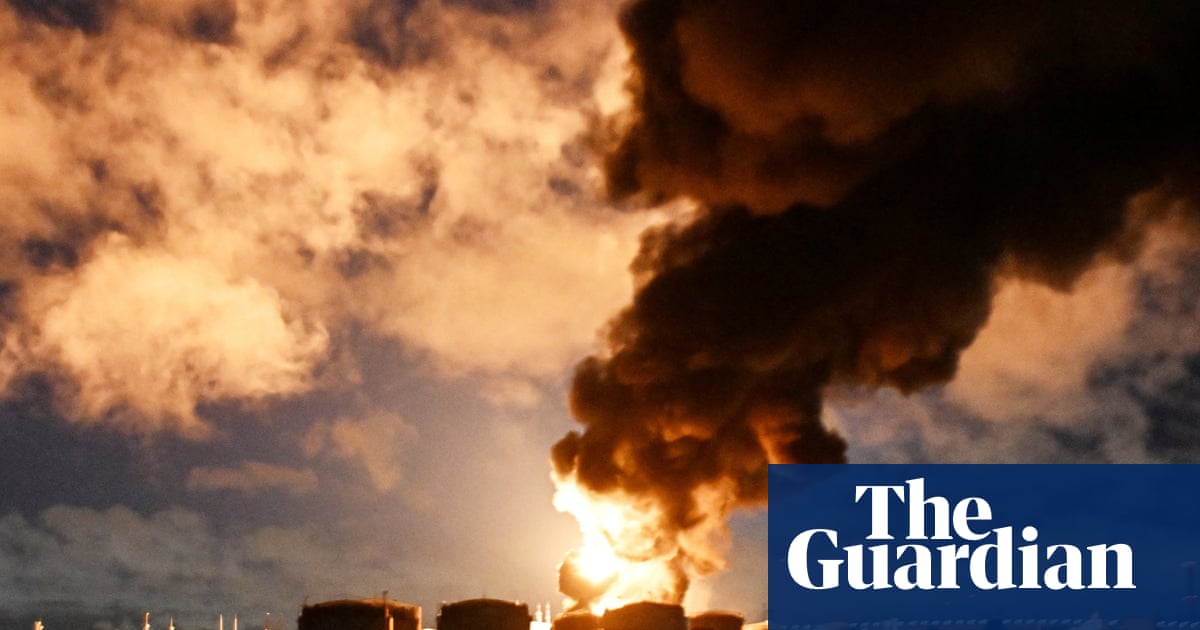
In one of its largest aerial operations to date, Ukraine deployed more than one thousand drones overnight to strike targets within Russian territory. These unmanned aircraft focused on oil depots, logistics centers, and data processing facilities. In St. Petersburg, fires erupted at an oil terminal and industrial warehouses, according to local governor Alexander Beglov. Major commercial entities confirmed they were targeted, including a logistics center for the retailer Ozon and a data center belonging to tech company VK. The scale of the operation suggests a strategic shift toward disrupting Russia’s economic and digital infrastructure rather than solely focusing on military positions.
Russian authorities reported that their air defense systems intercepted 1,015 drones across the country during the night. Alexander Drozdenko, governor of the Leningrad region surrounding St. Petersburg, stated that approximately twenty thousand residents were left without electricity following the raid. He described the event as a large-scale unmanned aerial vehicle attack that was actively being repelled. The destruction of energy and data infrastructure in such a prominent Russian city underscores the expanding geographic scope of the conflict, moving beyond frontline combat zones into deeper domestic territory.
Simultaneously, Russian forces continued their campaign against Ukrainian civilian and industrial targets. In the southern city of Zaporizhzhia, strikes killed a woman and injured two others, including a young child. Local officials reported damage to apartment buildings, vehicles, and an educational institution. Earlier in the week, Russia claimed responsibility for major attacks on Ukraine’s largest steelworks in Kryvyi Rih and vessels near the port of Odesa. Additional strikes hit electricity substations in Zhytomyr and another steel plant in Zaporizhzhia, further straining Ukraine’s already compromised power grid and industrial capacity.
The diplomatic fallout from these military actions is intensifying relations between Kyiv and Washington. President Trump criticized Ukraine for its strikes on Russian oil infrastructure, even as Moscow persisted with attacks on Ukrainian energy facilities. In a move that has drawn sharp rebuke from Ukrainian leadership, the US president announced a hold on a sweeping new sanctions package targeting the Russian economy. He argued that pausing the legislation was in the national interest and beneficial for global stability, though he provided no specific details on future policy directions regarding further economic penalties.
Ukrainian President Volodymyr Zelenskyy responded forcefully to the US stance, highlighting the disparity in actions since the proposed ceasefire. He noted that Russia had attacked Ukraine’s energy, oil, and gas sectors seventy-six times in the week following Trump’s announcement. Zelenskyy accused Moscow of interpreting signals of sanctions relief as validation for continuing the war, rather than as an incentive for peace. He emphasized that tens of thousands of families remained without power after recent attacks on facilities in four regions, asserting that Russia is actively attempting to cause a nationwide blackout.
Zelenskyy stressed that the conflict persists due to Russia’s invasion, not because Ukraine is defending itself. He argued that pressure must be applied to Moscow for any chance of peace to emerge. His comments reflect growing frustration with Western diplomatic efforts that he perceives as insufficient or counterproductive. The Ukrainian leader thanked those who support his position, signaling a continued reliance on international backing despite the fracturing consensus among key allies regarding the best path forward.
Concerns about the conflict spreading beyond Ukraine’s borders were reignited when an unidentified flying object entered Lithuanian airspace. Residents in central and northern parts of the country were ordered to seek shelter for approximately one hour. NATO fighter jets were scrambled to the area, and Kaunas airport was temporarily closed. The aircraft could not visually identify the object due to cloudy weather and did not attempt to shoot it down. Ukraine’s foreign ministry later expressed regret over the possible diversion of its drones into Lithuanian airspace, acknowledging the incident as a potential breach of NATO territory.
The Kremlin spokesperson, Dmitry Peskov, stated that Russia is responding with systematic, large-scale strikes against Ukrainian resistance. He claimed that Kyiv’s actions cannot change the course of events, reinforcing Moscow’s determination to continue its military campaign. As both sides escalate their attacks on critical infrastructure, the humanitarian and economic toll continues to mount. The failure of the energy ceasefire has left the region in a more volatile state, with no clear mechanism for de-escalation and heightened risks of further unintended consequences across Europe.
Looking ahead, the immediate priority remains managing the humanitarian crisis caused by power outages and infrastructure damage. Both nations face significant challenges in restoring services to affected populations while maintaining defensive capabilities. The diplomatic rift between Kyiv and Washington complicates efforts to coordinate a unified response to Russian aggression. Without a renewed commitment to enforceable agreements or tangible concessions from Moscow, the cycle of retaliation is likely to continue, posing ongoing threats to regional stability and global security.
Sources behind this briefing
Go to the original reporting
- The Guardian US↗Two killed and at least 17 injured as Russia and Ukraine trade blows on power infrastructure